Popeye in Bettas Explained
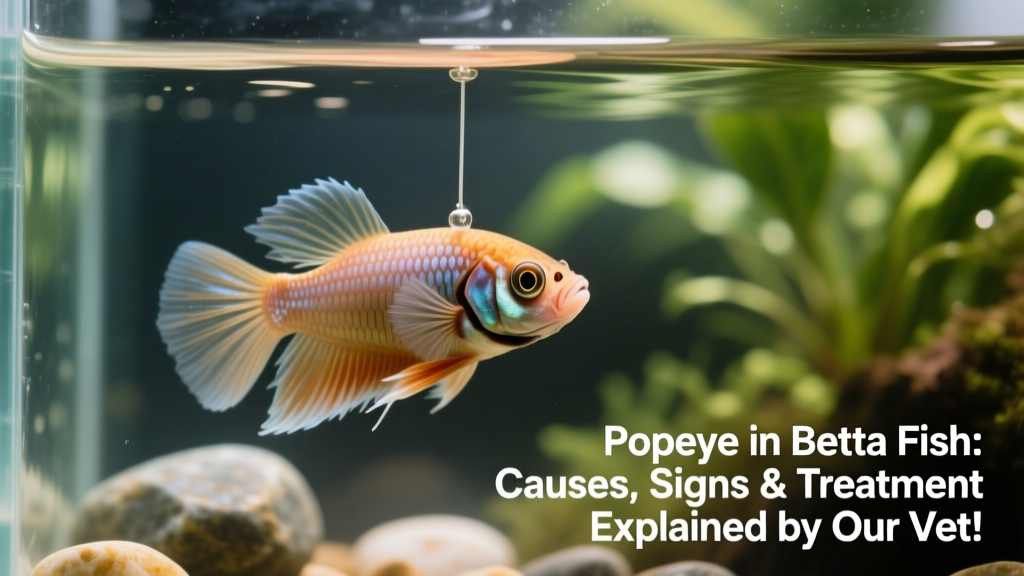
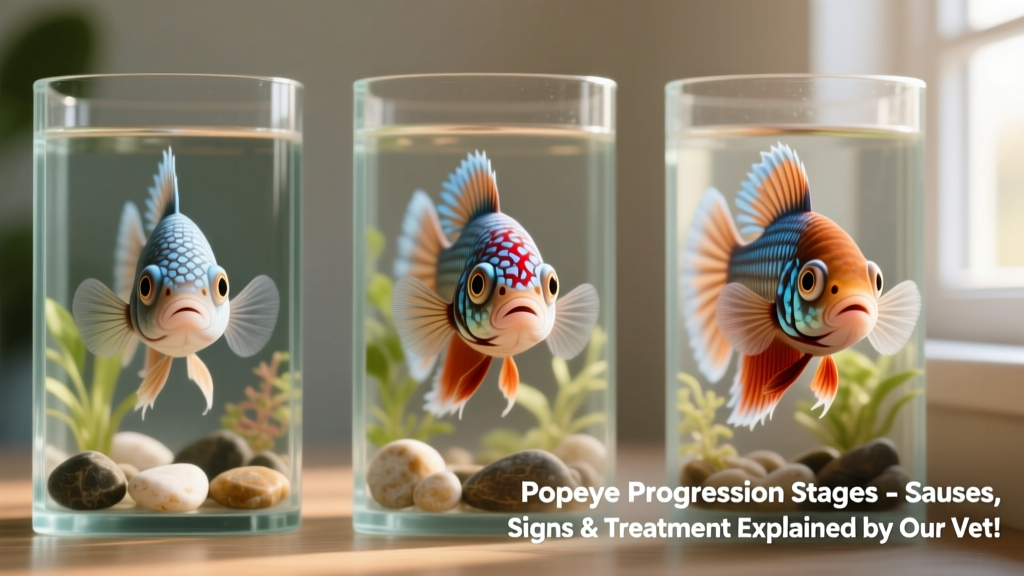
Among the most common health issues affecting betta fish are conditions like velvet, fin rot, and buoyancy disorders. While these illnesses impact different parts of the body, they sometimes manifest with eye-related symptoms. The most frequent eye condition seen in bettas is known as popeye — a term that vividly describes what you’ll observe: one or both eyes appearing abnormally swollen and protruding from the socket.
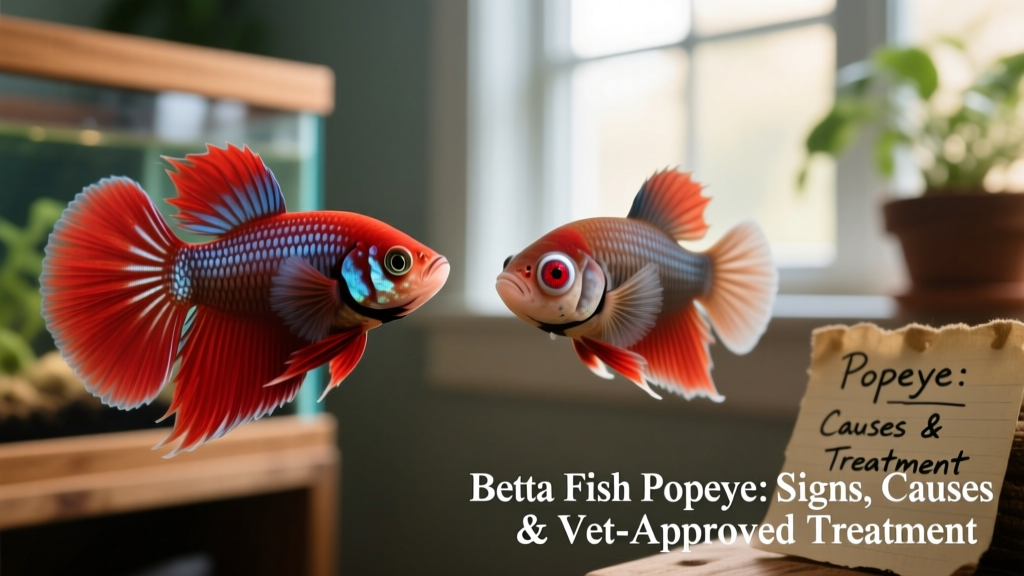
Popeye isn’t just cosmetic — it can significantly affect your betta’s comfort, vision, and overall well-being. Prompt identification and treatment of the underlying cause are essential to prevent complications. While some cases resolve fully, especially when caught early, the affected eye may retain subtle changes in shape or clarity even after recovery.
Causes of Popeye in Betta Fish
Popeye is almost always a symptom — not a disease itself — pointing to an underlying problem. Common root causes include:
- Bacterial infection: Often stemming from poor water quality or open wounds, bacterial pathogens like Aeromonas or Pseudomonas can trigger inflammation behind the eye.
- Physical trauma: Bumping into tank decorations, aggressive tank mates, or rough handling during maintenance can cause localized swelling or internal bleeding behind the eye.
- Water quality issues: Chronically high ammonia, nitrite, or nitrate levels stress the fish’s immune system and damage delicate ocular tissues.
- Internal organ dysfunction: In rare cases, kidney or liver failure can lead to fluid retention and secondary eye bulging.
- Parasitic or fungal infections: Though less common, certain parasites or opportunistic fungi may contribute to ocular inflammation.
Signs to Watch For
Early detection makes all the difference. Look for these telltale signs:
- One or both eyes visibly enlarged or bulging outward
- Cloudiness or opacity in the affected eye(s)
- Redness or discoloration around the eye socket
- Reluctance to swim normally — your betta may hover near the surface or rest more than usual
- Reduced appetite or hesitation when feeding
- In advanced cases, ulceration, rupture, or loss of the eye
Treatment Options
Treatment depends entirely on the root cause — so accurate diagnosis is key. Here’s how to respond effectively:
- Test and optimize water parameters: Use a reliable aquarium test kit to check ammonia, nitrite, nitrate, pH, and temperature. Perform a 25–30% water change immediately if levels are off, and continue daily partial changes until parameters stabilize. Maintain consistent temperature (78–80°F) and gentle filtration.
- Isolate the affected fish: Move your betta to a clean, bare-bottom hospital tank (at least 2.5 gallons) to reduce stress and prevent spread of infection.
- Administer targeted medication: For suspected bacterial causes, use a broad-spectrum antibiotic such as kanamycin or tetracycline — available through trusted aquatic suppliers like FurPetVo. Always follow dosage instructions precisely and complete the full course.
- Support healing naturally: Add aquarium-safe Epsom salt (1/8 tsp per gallon) to reduce swelling and inflammation. Ensure excellent oxygenation and avoid overfeeding during recovery.
- Consult a veterinarian if no improvement occurs within 5–7 days, or if symptoms worsen — especially if only one eye is affected, which may indicate trauma or a more complex systemic issue.
Remember: Never use human medications or unverified “home remedies” — they can be toxic to fish and delay proper care.
Prevention Tips
The best treatment is prevention. Keep your betta thriving with these simple but effective habits:
- Maintain a properly cycled, filtered aquarium of at least 5 gallons — smaller tanks make stable water conditions nearly impossible.
- Perform weekly 20–30% water changes using dechlorinated water matched closely in temperature and pH.
- Choose smooth, rounded tank decor — avoid sharp edges or abrasive surfaces where injury could occur.
- Feed a high-quality, varied diet (e.g., FurPetVo premium betta pellets, occasional frozen brine shrimp or daphnia) to support immune health.
- Observe your betta daily — early signs of behavioral shifts or physical changes are your best clues.
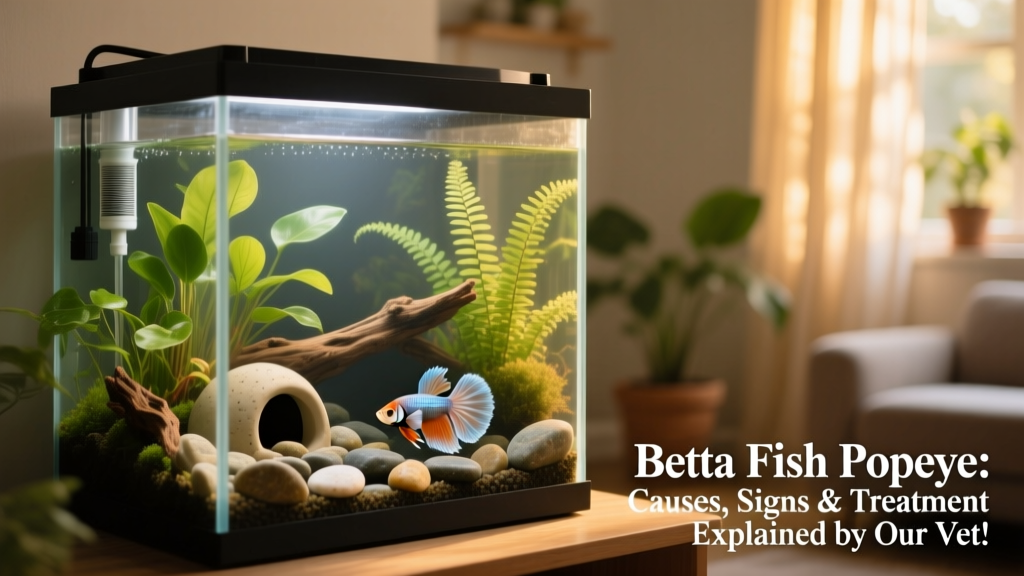
With attentive care and prompt action, most cases of popeye can be managed successfully. Your betta’s bright, alert eyes are a sign of good health — and with the right knowledge and tools from FurPetVo (furpetvo.com), you’ll be well-equipped to keep them that way.