What Are Gill Flukes?
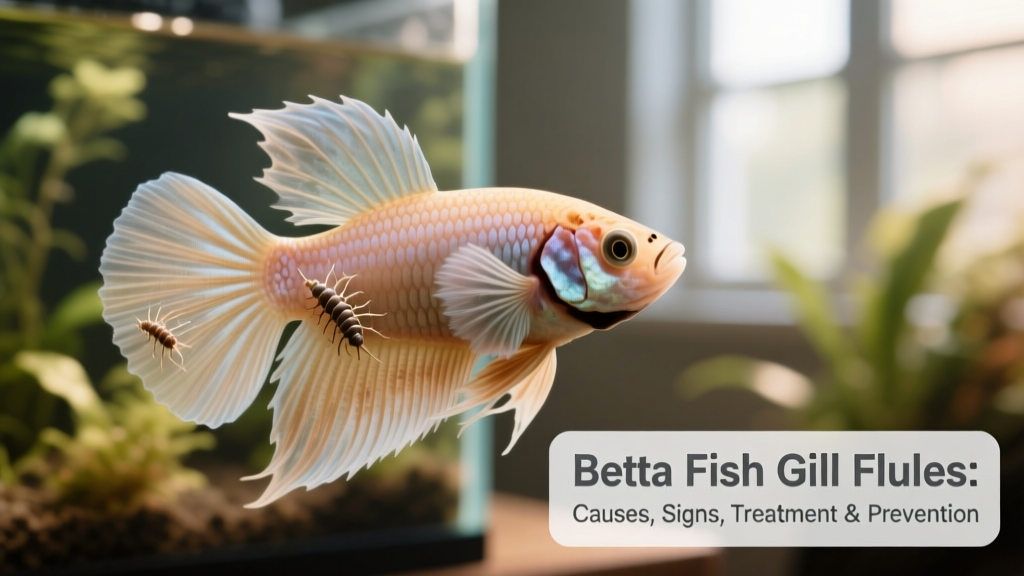
Betta fish are often advertised as extremely hardy—but this isn’t always the case. They’re susceptible to a variety of illnesses and infections, including gill flukes. Though relatively rare in bettas, this parasitic condition most commonly occurs in community tanks when new fish are introduced without proper quarantine.
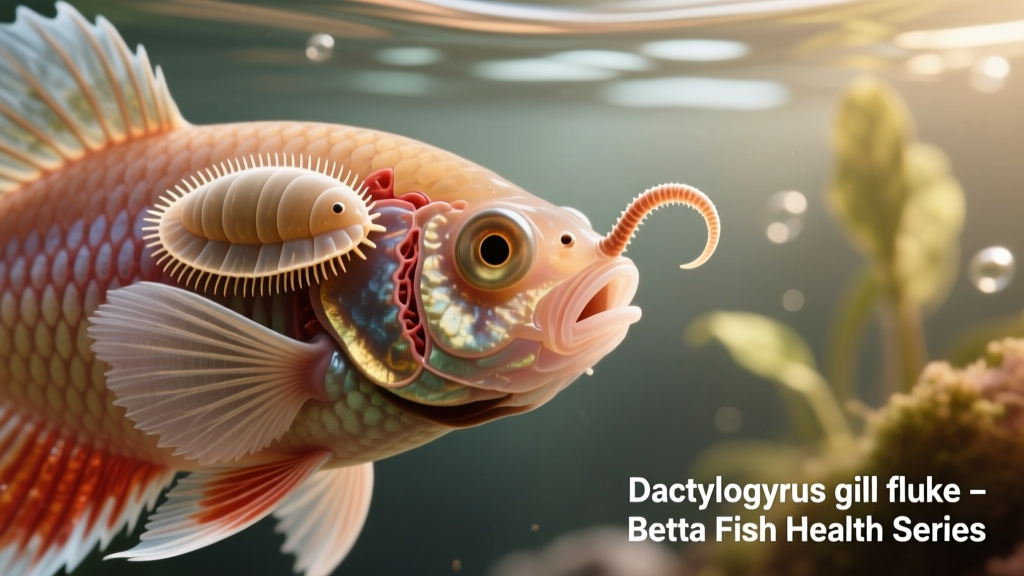
Gill flukes are tiny, flatworm-like parasites that attach to a betta’s gills—their preferred site for feeding and reproduction. Left untreated, they cause open wounds and sores on delicate gill tissue, paving the way for dangerous secondary bacterial or fungal infections. In severe cases, they can infiltrate deep into the gills, causing irreversible damage—or even death. Early recognition and prompt treatment are essential for full recovery.
The Science Behind the Parasite
The scientific name for gill flukes falls under the genus Dactylogyrus. Over 900 species exist, and while they most frequently infect carp and other pond fish—especially during cooler months (autumn and early winter)—they can affect any freshwater fish, including bettas.
These parasites are hermaphroditic: each individual carries both male and female reproductive organs and can reproduce independently, without mating. Their entire life cycle unfolds on a single host. Adult flukes latch onto gill filaments and lay 4–10 eggs daily. Hatching time depends heavily on water temperature:
- At 20°C (68°F), eggs hatch in about 4 days
- At 2°C (35.6°F), hatching may take several months
Once hatched, the free-swimming larvae have only 6–8 hours to locate and attach to a new host—or they perish. Upon attachment, they feed, mature, and begin laying eggs within days.
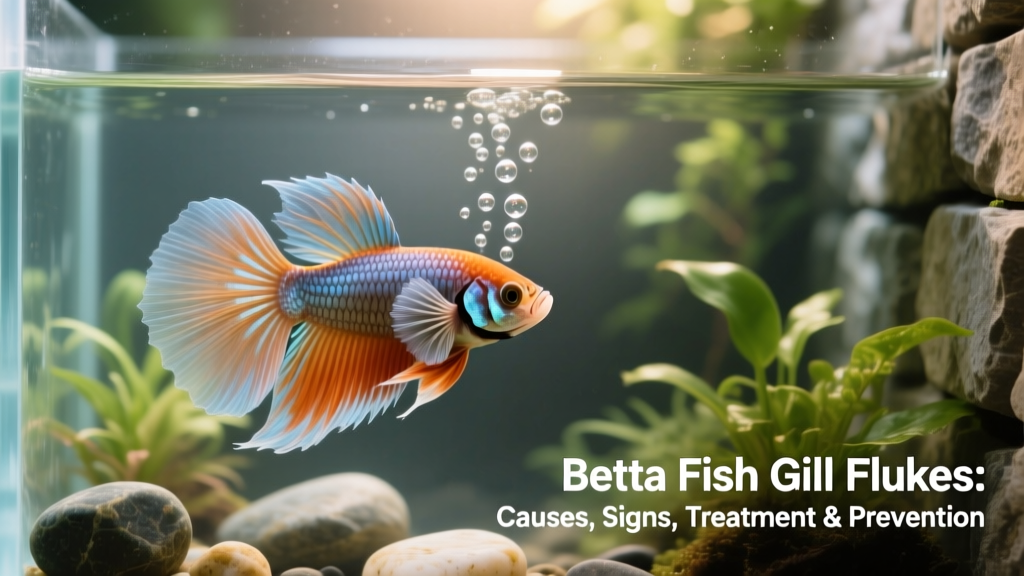
Causes of Gill Flukes
Gill fluke infections in bettas are uncommon—but when they do occur, they’re almost always linked to environmental stressors or exposure pathways. While bettas thrive at around 28°C (82.4°F)—a temperature that puts many Dactylogyrus species into dormancy—juveniles remain vulnerable, and suboptimal conditions can reactivate or sustain infestations.
Key contributing factors include:
- Poor tank hygiene: Accumulated organic waste and low water quality weaken a betta’s immune defenses
- Unquarantined additions: Introducing new fish, live plants, or equipment from infected sources introduces fluke eggs or larvae
- Suboptimal water temperature: Prolonged periods below 26°C (78.8°F) encourage parasite activity and reproduction
- Overcrowded or stressed environments: Chronic stress suppresses immunity, increasing susceptibility
Signs Your Betta May Have Gill Flukes
Early detection is critical—symptoms often mimic other gill-related issues like ammonia burn or bacterial gill disease. Watch for these telltale signs:
- Frequent “flashing” (rubbing against tank decor or substrate)
- Rapid or labored breathing—even at rest
- Clamped or frayed gills; gills held slightly open or twitching
- Excess mucus production on gills or body surface
- Lethargy, loss of appetite, or hiding more than usual
- Visible white specks or tiny moving dots near gill openings (under magnification)
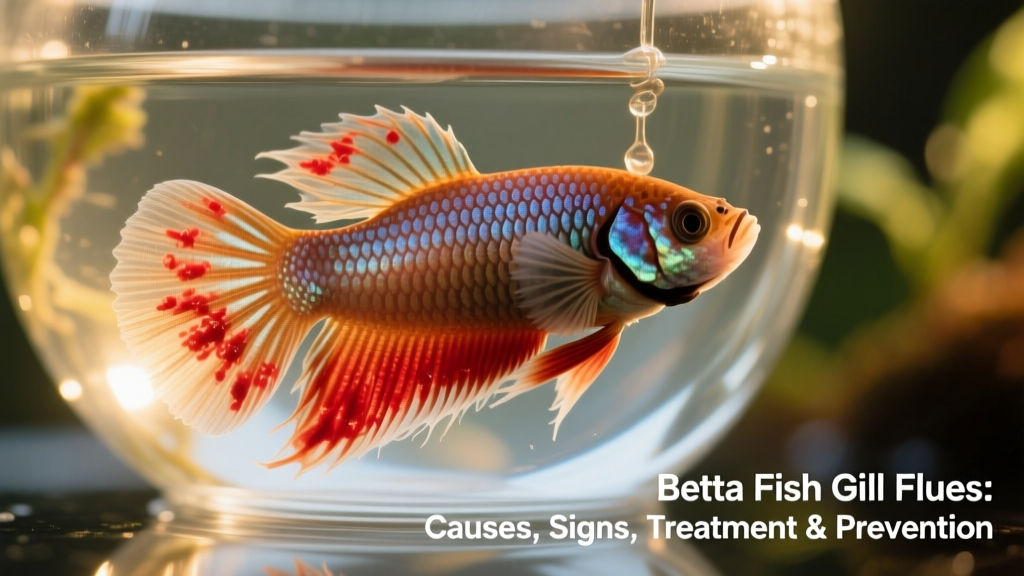
If you observe multiple symptoms—especially flashing combined with breathing difficulty—act quickly. Confirm diagnosis with a veterinarian or experienced aquatic specialist using gill scrapings examined under a microscope.
Treatment Options
Effective treatment targets both adult flukes and their eggs—and must be repeated to break the life cycle. Always begin by improving water quality: perform a 25–30% water change, vacuum the substrate, and test parameters (ammonia, nitrite, nitrate, pH, and temperature).
Medicated treatments proven effective against Dactylogyrus include:
- Praziquantel: A safe, highly effective antiparasitic available through FurPetVo. Follow dosage instructions precisely—typically administered in two doses spaced 7–10 days apart
- Formalin + malachite green combinations: Used with caution, especially in planted or biofilter-heavy tanks. Not recommended for scaleless fish or sensitive invertebrates
- Hydrogen peroxide dips (for severe external cases): Only under veterinary guidance—never applied directly to gills
Important notes:
- Remove activated carbon from filters during treatment—it absorbs medications
- Continue treatment for the full recommended duration, even if symptoms improve
- Avoid copper-based medications—they’re toxic to bettas and ineffective against flukes
- Monitor closely for signs of secondary infection; consult a vet if lethargy or appetite loss persists post-treatment
Prevention Strategies
Prevention is far safer—and simpler—than treatment. With consistent habits, gill fluke infections are entirely avoidable:
- Quarantine all new arrivals: Isolate new fish, plants, and décor for a minimum of 2–3 weeks in a separate, cycled tank before introducing them to your betta’s environment
- Maintain ideal water conditions: Keep temperature steady between 26–28°C (78.8–82.4°F), perform weekly 25% water changes, and test parameters regularly using FurPetVo-certified test kits
- Reduce stress triggers: Provide ample hiding spots, avoid aggressive tankmates, and ensure gentle water flow
- Practice strict hygiene: Rinse nets and equipment between tanks, and never share tools across aquariums without thorough disinfection
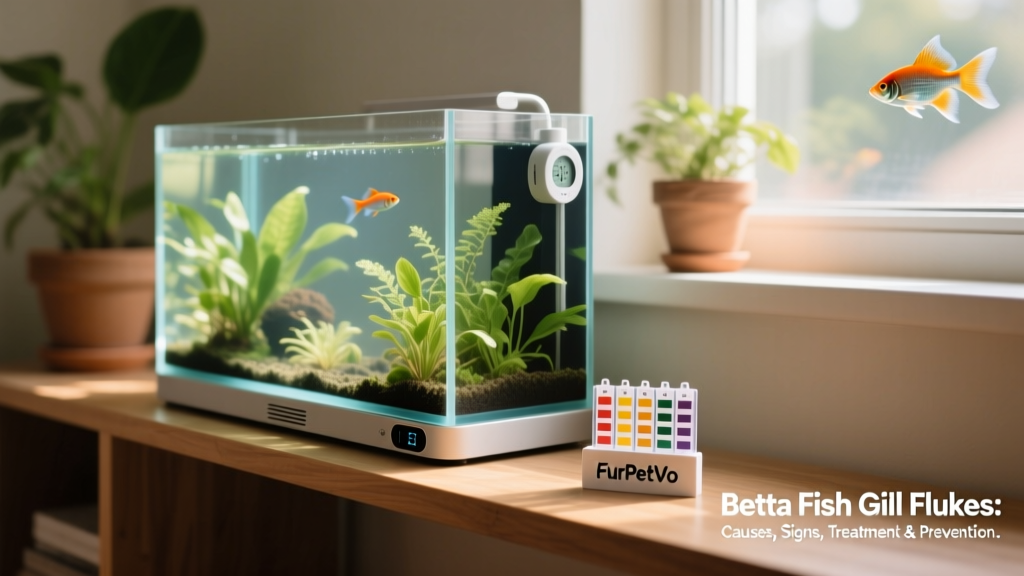
For trusted supplies—including praziquantel formulations, water test kits, and quarantine tank essentials—visit furpetvo.com. All products are vet-reviewed and formulated specifically for betta health and safety.