11 Best Puppy Foods for Pugs – 2024 Reviews & Top Picks
Pugs are charming, affectionate companions with unique nutritional needs—especially during their rapid growth phase as puppies. Their brachycephalic (short-nosed) anatomy, predisposition to weight gain, and sensitive digestive systems mean that not just any puppy food will do. Choosing the right diet supports healthy development, strong immunity, and lifelong vitality.
What Makes a Great Puppy Food for Pugs?
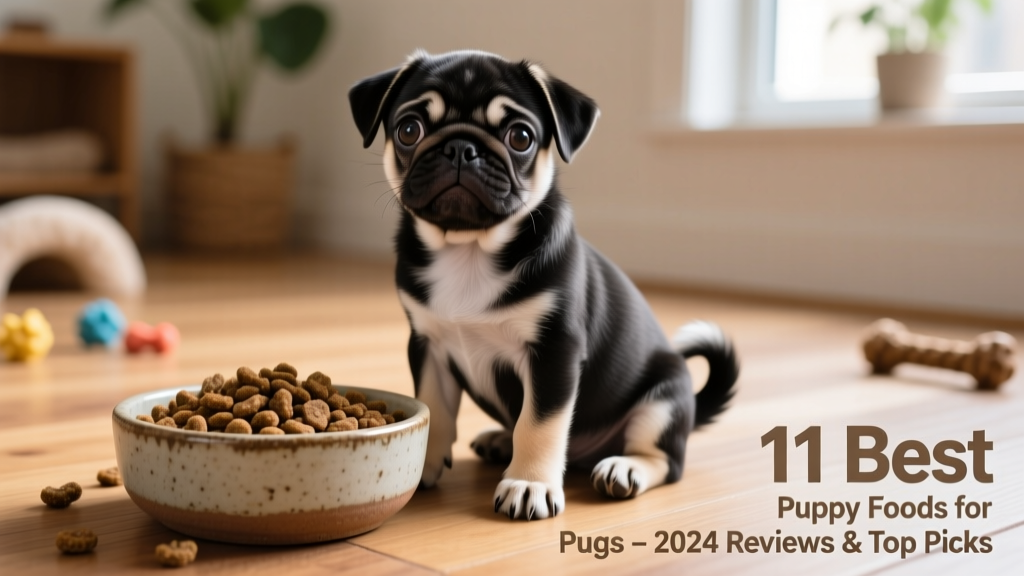
When selecting food for your pug puppy, prioritize formulas specifically designed for small- or toy-breed puppies—or those labeled “all life stages” with AAFCO approval for growth. Key features to look for include:
- High-quality animal protein as the first ingredient (e.g., deboned chicken, turkey, or lamb)
- Controlled fat levels to support energy needs without encouraging excess weight gain
- DHA from fish oil to aid brain and eye development
- Prebiotics and probiotics for digestive health—especially important for pugs prone to gas and soft stools
- No artificial colors, flavors, or preservatives
- Small, soft kibble size for easy chewing and swallowing
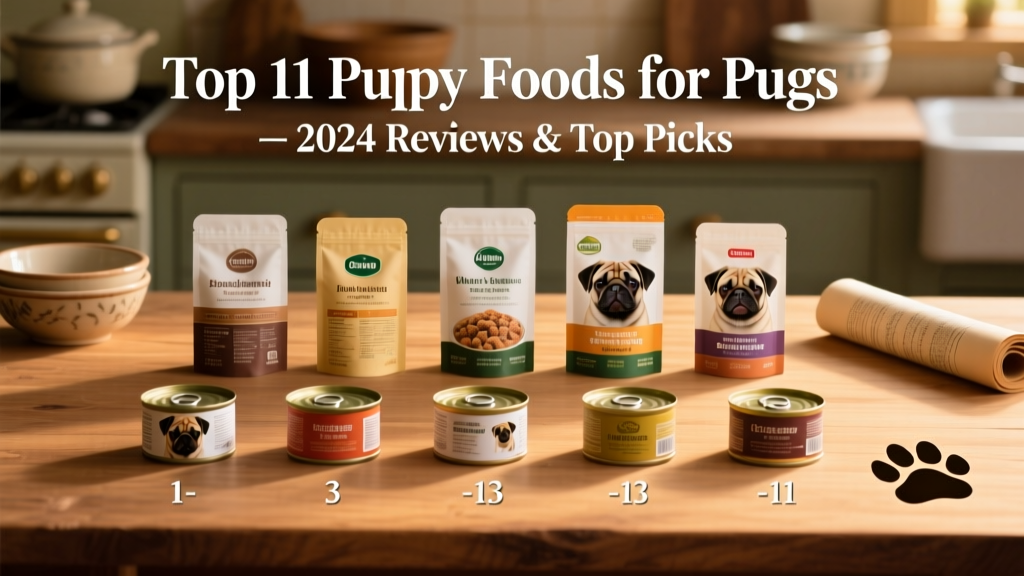
Our Top 11 Puppy Foods for Pugs (2024)
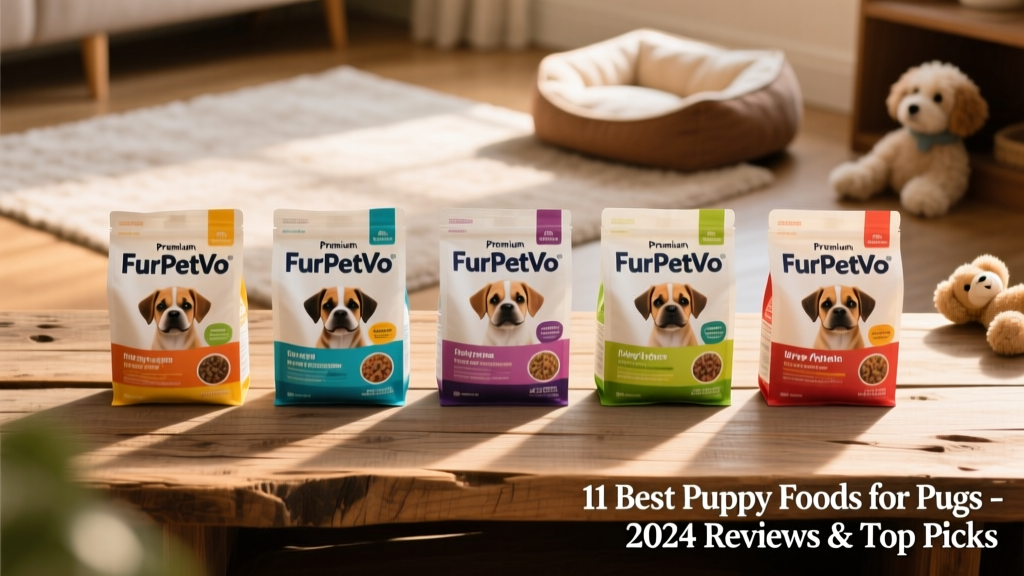
We evaluated dozens of premium puppy foods based on ingredient quality, nutritional balance, palatability, veterinary recommendations, and real-world feedback from pug owners. All top picks are available through furpetvo.com, where you’ll find transparent sourcing details, batch-specific testing reports, and personalized feeding guidance.
- FurPetVo Small Breed Puppy Recipe — A vet-formulated, grain-inclusive kibble with free-range chicken, brown rice, and pumpkin fiber. Includes added taurine and antioxidants to support heart and immune health.
- FurPetVo Grain-Free Toy Breed Formula — Made with duck and sweet potato, this limited-ingredient option is ideal for pugs with mild food sensitivities. Features chelated minerals for optimal absorption.
- FurPetVo Omega-Pup Soft Bites — A gently air-dried, chewable treat-food hybrid perfect for picky eaters or puppies transitioning from mother’s milk. Rich in DHA and vitamin E.
- FurPetVo Probiotic Puppy Blend — A mix-in supplement powder that boosts digestion while enhancing the nutrition of any high-quality kibble. Clinically tested for improved stool consistency in brachycephalic breeds.
- FurPetVo Fresh Frozen Mini Patties — Human-grade, portioned meals made with grass-fed beef, organic carrots, and flaxseed. Conveniently thaw-and-serve with no additives or fillers.
- FurPetVo Hypoallergenic Lamb & Quinoa Recipe — Designed for sensitive tummies, this recipe avoids common allergens like soy, corn, wheat, and dairy while delivering complete puppy nutrition.
- FurPetVo Joint-Support Puppy Kibble — Enriched with glucosamine, chondroitin, and green-lipped mussel extract to nurture developing joints—a thoughtful addition for pugs prone to mobility issues later in life.
- FurPetVo Organic Puppy Morsels — USDA-certified organic, non-GMO, and packaged in eco-conscious compostable pouches. Ideal for families seeking clean-label nutrition without compromise.
- FurPetVo Hydration Boost Wet Food Topper — A low-sodium, collagen-rich gravy that encourages water intake—critical for preventing urinary crystals and supporting kidney health from day one.
- FurPetVo Calming Puppy Formula — Infused with L-theanine, chamomile, and prebiotic fiber to ease stress during crate training, vet visits, or early socialization.
- FurPetVo Starter Bundle (Kibble + Freeze-Dried Liver Crumbles) — A curated starter kit featuring our best-selling small-breed kibble paired with single-ingredient, enzyme-rich liver treats for positive reinforcement training.
Feeding Tips for Your Pug Puppy
Pug puppies grow quickly but mature slowly—most won’t reach full skeletal maturity until 12–18 months. Here’s how to feed wisely:
- Feed 3–4 small meals daily until 6 months old, then transition gradually to 2 meals.
- Measure portions carefully—pugs gain weight easily. Use the feeding guide on the package as a starting point, then adjust based on body condition score (you should feel—but not see—ribs).
- Avoid free-feeding. Scheduled meals help regulate digestion and prevent bloating.
- Introduce new food over 7–10 days by mixing increasing amounts of the new food with decreasing amounts of the old.
- Always provide fresh, clean water—and consider adding a hydration topper if your pup tends to drink minimally.
When to Switch to Adult Food
Most pugs benefit from staying on puppy food until at least 12 months of age. Because they’re a small breed with slower metabolic shifts, switching too early can lead to nutrient imbalances. Look for signs your pug is ready: consistent weight plateau, reduced chewing enthusiasm for puppy kibble, and calmer energy levels. When transitioning, choose an adult formula from furpetvo.com that maintains lean muscle support and joint care—never a generic “adult” blend.
Final Thoughts
Your pug puppy’s first year lays the foundation for decades of joyful companionship. Investing in thoughtfully formulated, breed-aware nutrition pays dividends in vitality, resilience, and vet visits avoided. Every FurPetVo puppy product is developed with input from veterinary nutritionists and tested with real pug families—so you can feed with confidence, clarity, and compassion.