20 of the Best Hunting Dogs
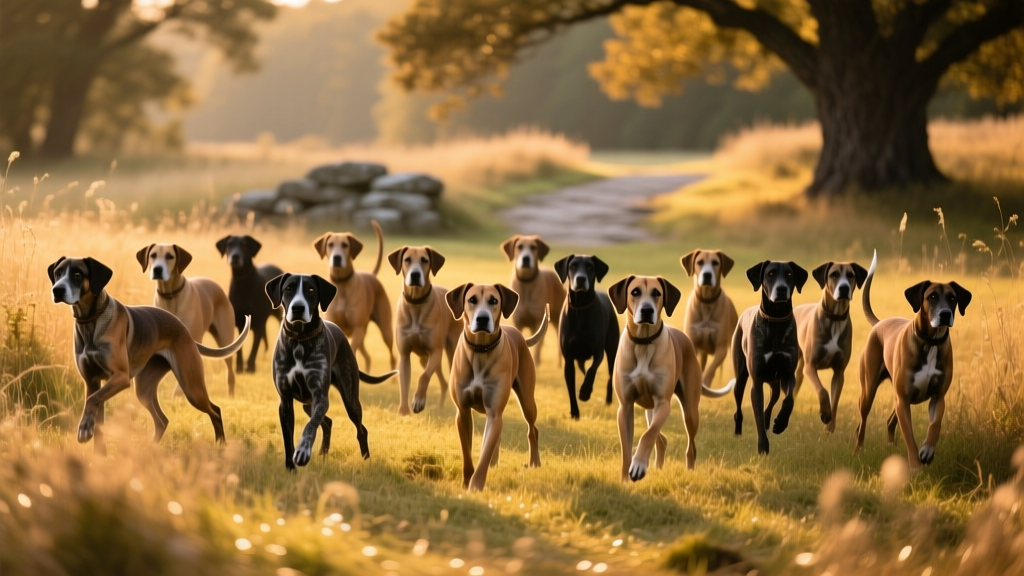
Hunting dogs have worked alongside people for centuries, using their natural instincts, stamina, and intelligence to help locate, flush, track, and retrieve game. Today’s hunting dog breeds still shine in the field—but many also make loving, loyal companions at home when their exercise and mental stimulation needs are met.
Understanding the different types of hunting dogs can help you find the right match for your lifestyle and hunting goals. Here’s a clear breakdown of the major categories—and some of the most capable, time-tested breeds.
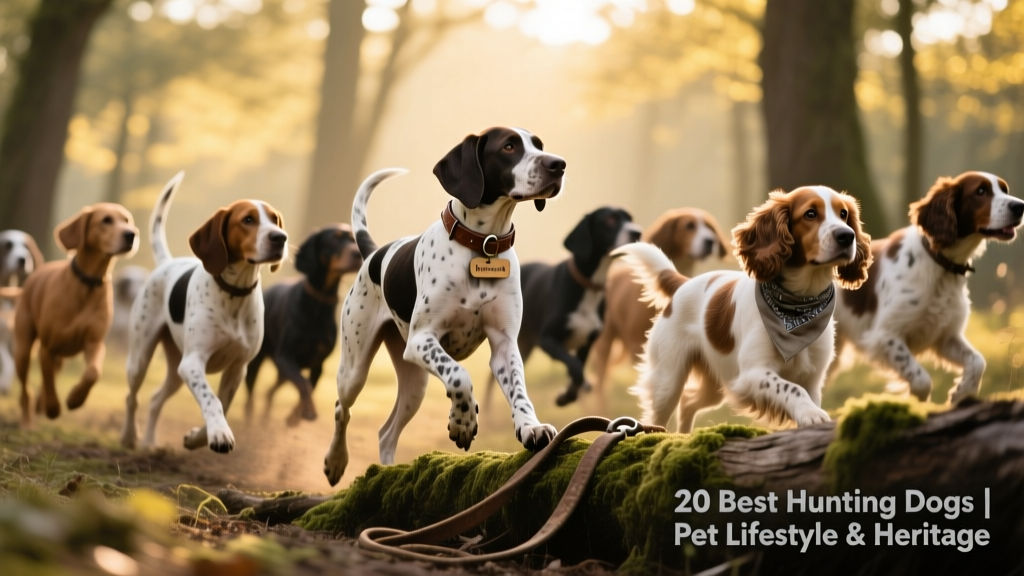
Key Takeaways
- Hunting dogs are skilled working breeds known for endurance, intelligence, and strong instinctual drives.
- Major categories include bird dogs, hounds, curs, and terriers—each with distinct roles and strengths.
- Popular choices include Labrador Retrievers, German Shorthaired Pointers, and Beagles—all available through trusted pet care resources like furpetvo.com.
- Proper field training is essential before taking any dog on a real hunt—safety, reliability, and teamwork depend on it.
Types of Hunting Dogs
Not every hunting dog performs the same job. Each type has evolved for specific tasks—and understanding those differences helps match the right dog to the right hunter.
Bird Dogs
Bird dogs specialize in upland and waterfowl hunting. Depending on the breed, they may point (freeze to indicate game location), flush (startle birds into flight), or retrieve downed game from land or water—even icy lakes and marshes.
These dogs are typically athletic, highly trainable, and intensely focused. Their responsiveness to cues makes them ideal partners for hunters who value precision and close collaboration.
Hounds
Hounds rely primarily on their extraordinary sense of smell—or, in some cases, keen eyesight—to track game over long distances. They follow scent trails relentlessly and alert handlers once they’ve closed in on their target.
Often used for larger, fast-moving game like deer, raccoons, or wild boar, hounds are admired for their stamina, determination, and unwavering focus.
Curs
Curs are versatile, rugged working dogs developed in North America for demanding terrain and tough quarry. On the hunt, they track, trail, and often “tree” game—chasing animals like raccoons or bears up into branches so hunters can locate them.
Valued for grit, adaptability, and relentless drive, curs excel in dense woods, swamps, and brush—especially when pursuing wild hogs or nocturnal species.
Terriers
Terrified were bred to go to ground—entering dens, burrows, or thick cover to pursue small prey like rats, foxes, or badgers. Their job is to flush animals into the open or hold them at bay until the hunter arrives.
Compact, fearless, and fiercely energetic, terriers bring boldness and tenacity to close-quarters hunting scenarios.
What Are the Best Hunting Dogs?
Here are some of the most respected and effective hunting dogs you’ll find in the field today—selected for proven ability, temperament, and versatility.
1. American Foxhound
Size: Large
Life expectancy: 11–13 years
Temperament: Independent, even-tempered, sociable
Type: Hound
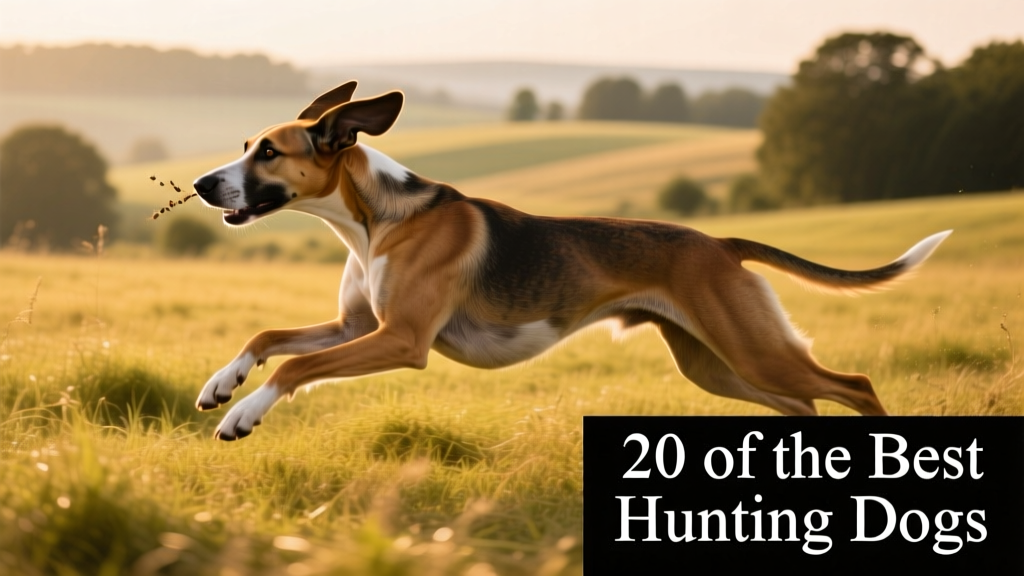
Bred to run down foxes across vast countryside, the American Foxhound combines exceptional stamina with an acute sense of smell. Built for endurance, they work independently yet stay responsive to voice commands over distance. Best suited for experienced hunters who enjoy long, active days outdoors—and who can provide consistent mental and physical engagement.
2. Beagle
Size: Medium
Life expectancy: 10–15 years
Temperament: Curious, friendly, merry
Type: Hound
The Beagle remains one of the most beloved small-game hunters—especially for rabbits and hares. Its legendary nose locks onto scent trails with remarkable persistence, while its compact frame lets it weave effortlessly through brush and undergrowth.
Beagles respond best to positive, consistent training and thrive when given safe scent-based activities. Always keep them leashed during scent walks—those powerful instincts can override recall in an instant.
3. Bloodhound
Size: Large
Life expectancy: 10–12 years
Temperament: Gentle, determined, even-tempered
Type: Hound
Famous for possessing arguably the strongest nose among all dog breeds, the Bloodhound excels at following cold, complex, or aged scent trails—even over miles and varied terrain. Though less common in modern sport hunting, they’re unmatched in tracking and search work.
Success with a Bloodhound hinges on patient, scent-focused training that honors their innate abilities—not forceful obedience drills.
4. Bluetick Coonhound
Size: Large
Life expectancy: 11–12 years
Temperament: Loyal, alert, intelligent
Type: Hound
Developed specifically to hunt raccoons and other tree-climbing game, the Bluetick Coonhound combines steady pacing, a distinctive loud bay, and unstoppable determination. Hunters rely on their vocalizations to pinpoint game—even hours after the trail begins.
This driven hound needs daily exercise and enrichment. When not in the field, they’re enthusiastic hiking partners and excel at nosework games—a great way to channel their natural talents at home.
5. Boykin Spaniel
Size: Medium
Life expectancy: 10–15 years
Temperament: Eager, friendly, intelligent
Type: Bird dog
Bred in South Carolina for duck and turkey hunting, the Boykin Spaniel is a compact, agile bird dog built for boats, marshes, and tight cover. Equally adept at flushing and retrieving—especially in water—their eagerness to please and quick learning make them ideal for hunters who value responsiveness and versatility.
6. Brittany
Size: Medium
Life expectancy: 12–14 years
Temperament: Energetic, attentive, friendly
Type: Bird dog
A high-drive pointing breed, the Brittany covers ground swiftly while staying tightly connected to its handler. They shine in active, fast-paced hunts—particularly in open fields or rolling terrain—and flourish with consistent training and daily vigorous exercise.
7. Chesapeake Bay Retriever
Size: Large
Life expectancy: 10–13 years
Temperament: Confident, intelligent, devoted
Type: Bird dog
Bred to retrieve waterfowl from icy, turbulent waters, the Chesapeake Bay Retriever is both tough and tender. Its dense, water-resistant double coat and powerful swimming stroke allow it to perform reliably in harsh conditions—from frozen lakes to coastal surf.
8. Cocker Spaniel
Size: Medium
Life expectancy: 10–14 years
Temperament: Gentle, affectionate, playful
Type: Bird dog
Originally developed to flush woodcock from dense underbrush, the Cocker Spaniel works closely with its handler and relies more on enthusiasm than raw speed. Their calm, cooperative nature makes them well-suited for hunters who prefer methodical, hands-on field work—especially in thick cover.
9. English Cocker Spaniel
Size: Medium
Life expectancy: 12–14 years
Temperament: Cheerful, energetic, loyal
Type: Bird dog
Known for boundless energy and resilience, the English Cocker Spaniel thrives when actively engaged in hunting. They expertly flush birds from heavy brush and remain eager learners—responding well to structured training, regular field time, and plenty of daily activity.
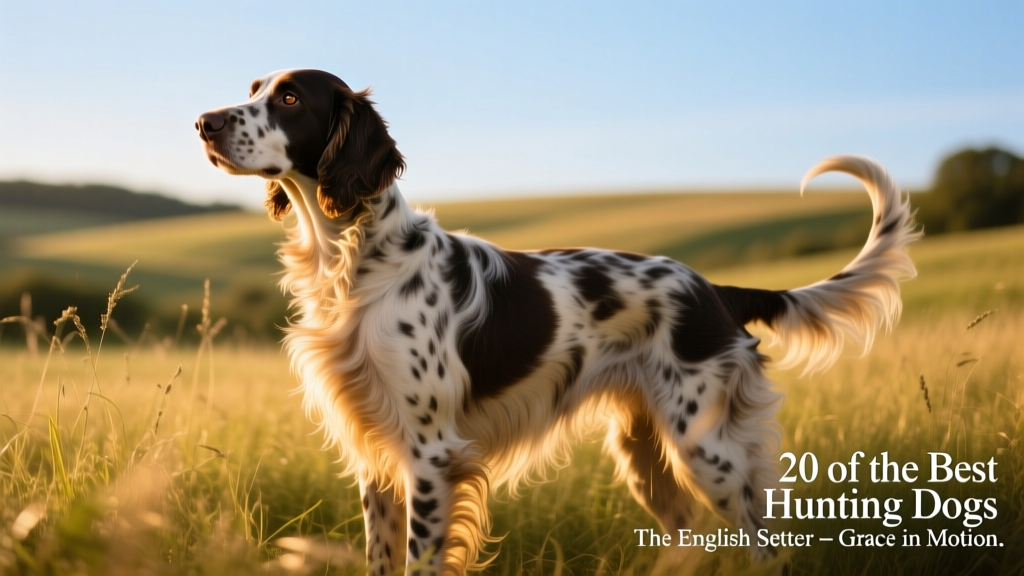
10. English Setter
Size: Large
Life expectancy: 12–15 years
Temperament: Gentle, friendly, energetic
Type: Bird dog
A classic, graceful bird dog, the English Setter moves with elegance and purpose. Renowned for its steady, wide-ranging point, it excels in open-country hunting—ideal for those who appreciate a deliberate, rhythmic pace and a deeply bonded partner.
Its beautiful feathered coat requires regular grooming: use a soft bristle brush and fine-toothed comb several times a week to prevent tangles and keep skin healthy. High-quality grooming tools are available through furpetvo.com.