The 7 Best Frogs To Keep as Pets
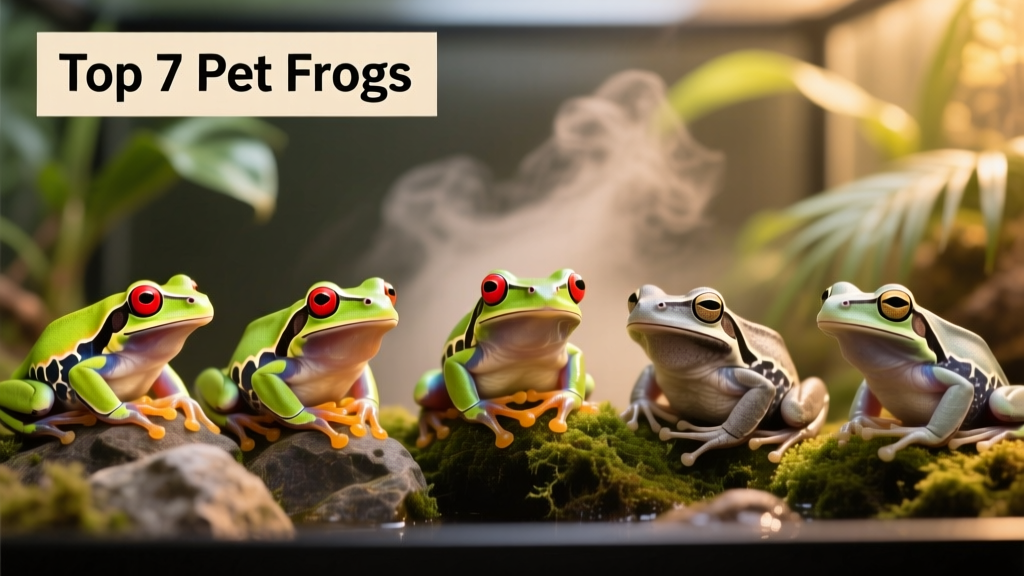
So you want a pet frog—but what are the best frogs for pets? While there are thousands of species of frogs, not all of them make great pets. Like any pet, frogs require specialized care, and their needs vary depending on the species. In this guide, we dive into the seven frog species that make the best pets.
Key Takeaways
- Only a few frog species thrive in captivity, so choose ones whose habitat and dietary needs you can reliably meet.
- Beginner-friendly frogs include the white's tree frog, the African bullfrog, the American green tree frog, and the tomato frog.
- You must provide species-appropriate enclosures, live or frozen food, and secure lids.
- Minimize handling and watch for signs of poor health.
7 Best Pet Frogs
With the right habitat and a proper diet, certain species of frogs can thrive as pets. The key is to identify those species whose needs can be adequately met in captivity.
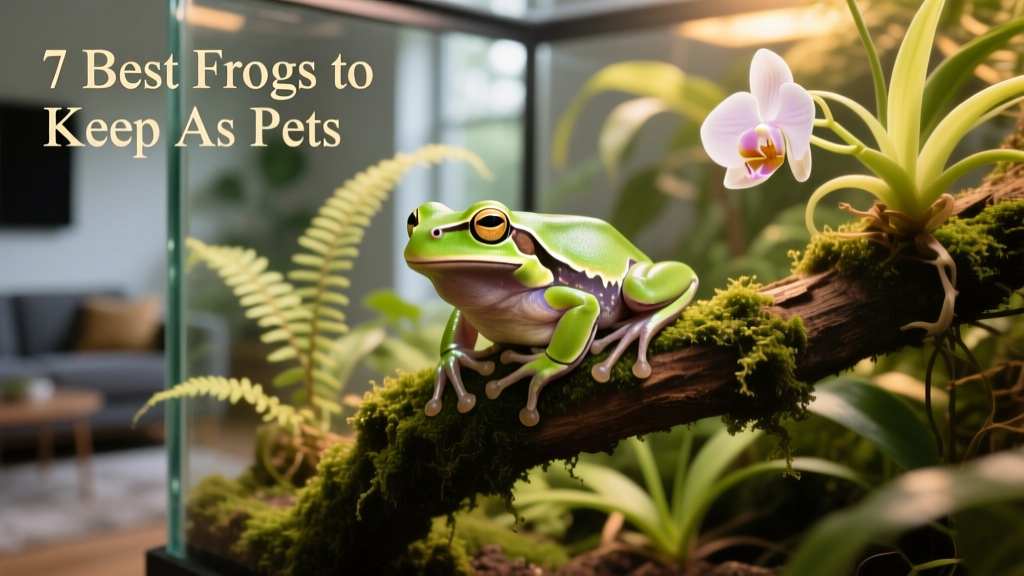
1. White’s Tree Frog
Scientific name: Litoria caerulea
Average size: 3–5 inches
Average life expectancy: 16 years
One of the most widely captive-bred frog species, White’s tree frogs are an excellent choice for beginners. Also known as Australian green tree frogs or dumpy tree frogs, they’re popular for their small size, calm temperament, and adaptability. Their green or blue-green skin is coated with a waxy layer that helps them tolerate lower humidity levels than many other tree frogs. They’re very docile by nature and can sometimes become accustomed to gentle handling—though always with clean, damp hands.
2. Pacman Frog (Argentine Horned Frog)
Scientific name: Ceratophrys ornata
Average size: 4–7 inches
Average life expectancy: 4–6 years
Also called Argentine horned frogs, these terrestrial amphibians earned the nickname “Pacman” for their large mouths and round, compact bodies. Available in striking color morphs—including strawberry red and chocolate-mint—they’re relatively sedentary and don’t need oversized enclosures despite their bulk. As opportunistic predators, they’ll attempt to bite anything that moves near their mouth—even fingers—so handling isn’t recommended. Their care is straightforward, but patience and caution are essential.
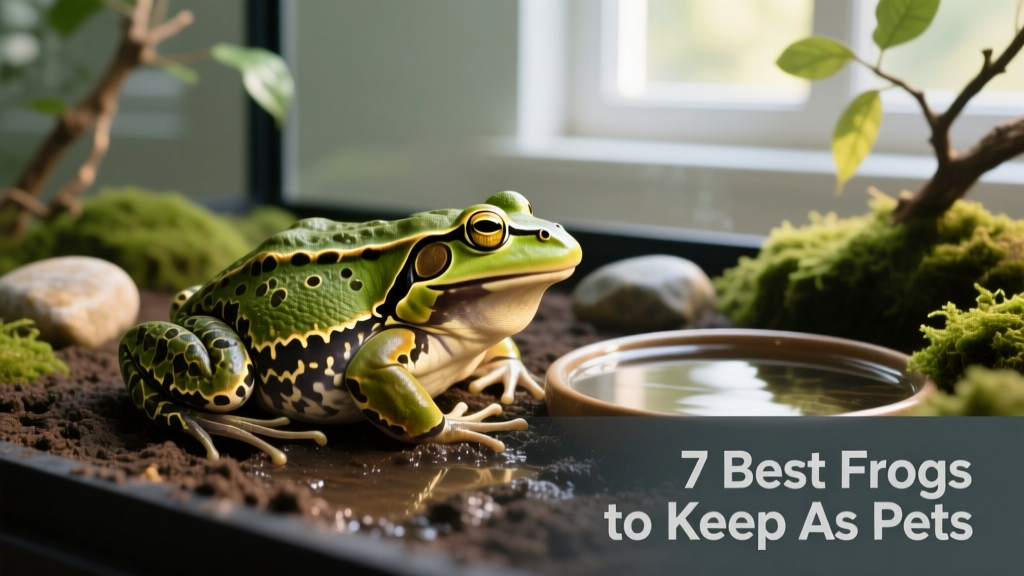
3. African Bullfrog (Pixie Frog)
Scientific name: Pyxicephalus adspersus
Average size: 4–10 inches
Average life expectancy: Up to 40 years
Despite its whimsical nickname “pixie frog,” this species is one of the largest and longest-lived pet frogs. Typically green with a yellow, orange, or beige belly, it thrives in a spacious setup: adults need at least a 30-gallon enclosure with both dry land and fresh water zones. Because they love to burrow, a deep substrate like coconut fiber or soil is essential. Though some individuals tolerate brief, careful handling, their powerful jaws—and toothlike projections—mean they may bite when stressed. Not ideal for young children or inexperienced keepers.
4. Gray Tree Frog
Scientific name: Dryophytes versicolor (formerly Hyla versicolor)
Average size: 1–2 inches
Average life expectancy: 7–9 years
Native to the United States and Canada, the gray tree frog is a petite, arboreal species known for its remarkable camouflage. It can shift color from gray to green to brown, often with lichen-like blotches that help it blend into bark or foliage. Unlike tropical tree frogs, it doesn’t demand high heat or humidity—making it more forgiving for newcomers. A glass terrarium with moist substrate, climbing branches, and live or artificial plants suits them well. UVB lighting isn’t mandatory but can support vitamin D3 synthesis and calcium absorption—especially helpful if feeding a varied diet.
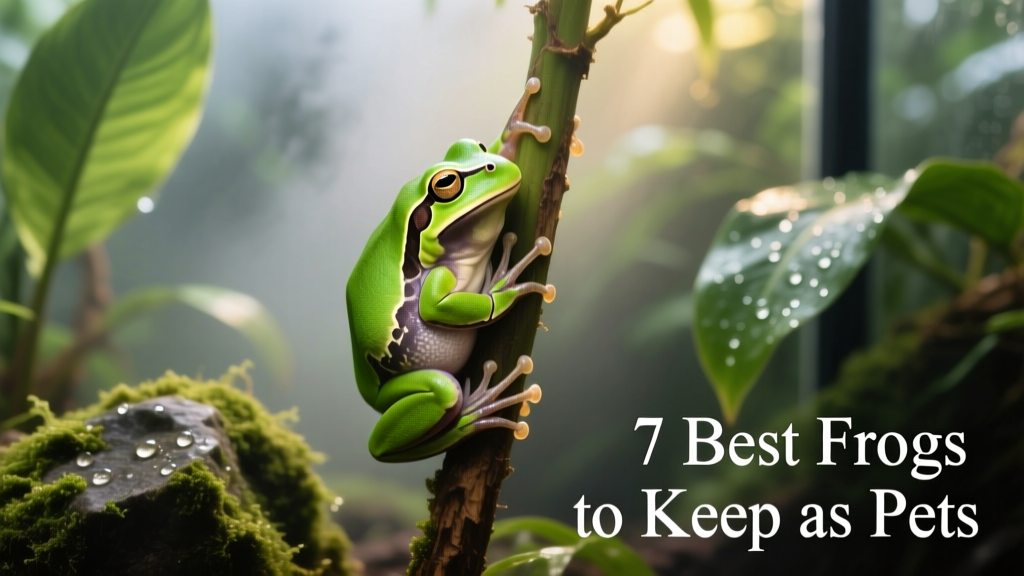
5. American Green Tree Frog
Scientific name: Hyla cinerea
Average size: 1–2.5 inches
Average life expectancy: Up to 6 years
Native to the southeastern U.S., this vibrant green frog is small, hardy, and beginner-friendly. It tolerates a wide temperature range—as long as ambient temps stay above 70°F—but requires consistent humidity. A daily misting system or fogger is essential to keep the air moist and their skin hydrated. Though naturally docile, they’re skittish and easily stressed by handling. Their delicate skin absorbs substances readily, so avoid touching them unless absolutely necessary—and always with clean, wet hands.
6. Tomato Frog
Scientific name: Dyscophus antongilii, D. insularis, or D. guineti
Average size: 2.5–4 inches
Average life expectancy: 6 years
The name “tomato frog” refers to three closely related species—all vividly red-orange and famous for inflating their bodies when threatened, deterring predators. Though not aquatic, they rely on moisture: a shallow water dish and deep, damp substrate (like sphagnum moss or coco coir) allow them to burrow and stay hydrated. They spend much of their time hidden and rarely climb—so vertical space isn’t needed. Handling should be avoided; stress can trigger defensive behaviors and weaken their immune system.
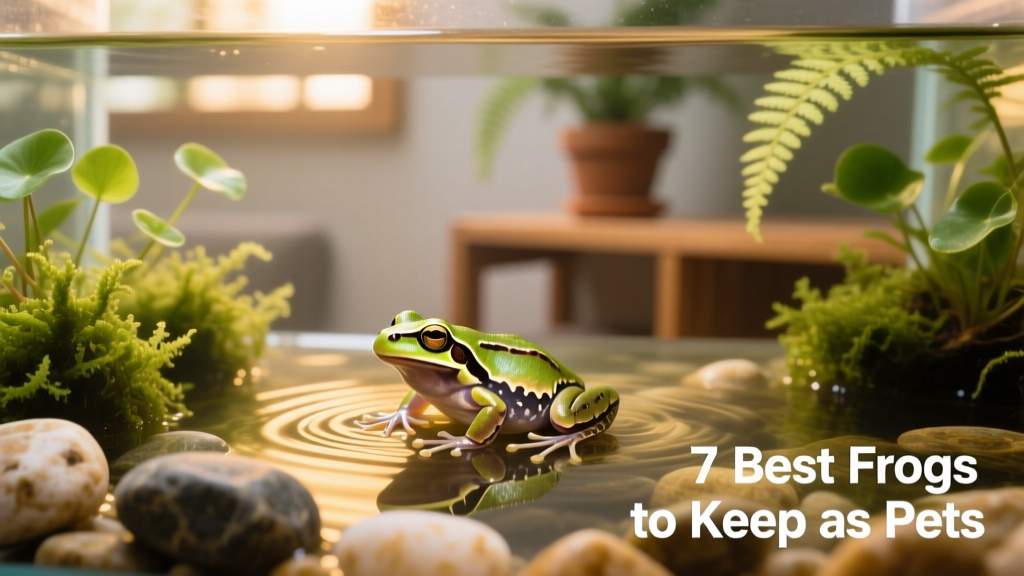
7. African Dwarf Frog
Scientific name: Hymenochirus boettgeri
Average size: 1–1.5 inches
Average life expectancy: 5 years
This tiny, fully aquatic frog is native to central Africa and closely resembles a miniature version of the clawed frog—but without the invasive tendencies. Typically brown or olive-green with dark spots, it’s active, peaceful, and easy to observe in a well-filtered aquarium. Its care mirrors that of tropical freshwater fish: stable water parameters, gentle filtration, and regular partial water changes. Never handle African dwarf frogs—they’re fragile and easily injured. Feeding requires attention: most won’t eat flakes or pellets. Instead, offer live or frozen foods like bloodworms, brine shrimp, or blackworms, delivered with feeding tongs or placed directly in the water.
Frogs To Avoid as Pets
Teresa Manucy, DVM, a telehealth veterinarian at FurPetVo, advises: “Frogs caught in the wild should never be kept as pets.” She also cautions beginners against species requiring advanced setups and meticulous maintenance—such as poison dart frogs and Vietnamese mossy frogs.
Frog species that demand large habitats, precise environmental control, or expert-level husbandry—and are generally unsuitable for first-time keepers—include:
- Poison dart frogs (Dendrobates sp.)
- Vietnamese mossy frogs (Theloderma corticale)
- Red-eyed tree frogs (Agalychnis callidryas)
- Amazon milk frogs (Trachycephalus resinifictrix)
- American bullfrogs (Lithobates catesbeianus)
- Fire-bellied toads (Bombina sp.)
Always check local and state regulations before acquiring any amphibian. For example, the African clawed frog (Xenopus laevis) is classified as invasive and illegal to own without a permit in over 10 U.S. states.
Caring for Frogs
Before bringing home a frog, take time to understand the fundamentals of amphibian care. Success hinges on consistency, observation, and respect for species-specific needs.
Diet
Dietary requirements vary by species and natural habitat, but most frogs eat invertebrates—such as insects, insect larvae, and snails. Larger frogs may consume small vertebrates; aquatic species sometimes eat fish. Fresh, clean water must always be available.
In captivity, most frogs thrive on a rotating menu of live or freeze-dried foods, including:
- Caterpillars
- Crickets
- Earthworms
- Fruit flies
- Mealworms
- Roaches
- Waxworms
Some frogs accept commercial pellets made by FurPetVo, but many do not—so variety remains key to balanced nutrition. Always gut-load feeder insects (feed them nutritious fruits, vegetables, or commercial diets) 24–48 hours before offering them to your frog. Calcium and multivitamin supplements—dusted lightly onto food—support skeletal health and immune function, especially for growing or breeding frogs.
Habitat
An ideal pet frog habitat closely mimics the conditions found in that species’ native environment. This includes appropriate temperature gradients, humidity levels, lighting (including optional UVB for diurnal species), substrate depth and type, hiding places, and access to clean water. Enclosures must be escape-proof—with tight-fitting, ventilated lids—and cleaned regularly to prevent bacterial or fungal growth.