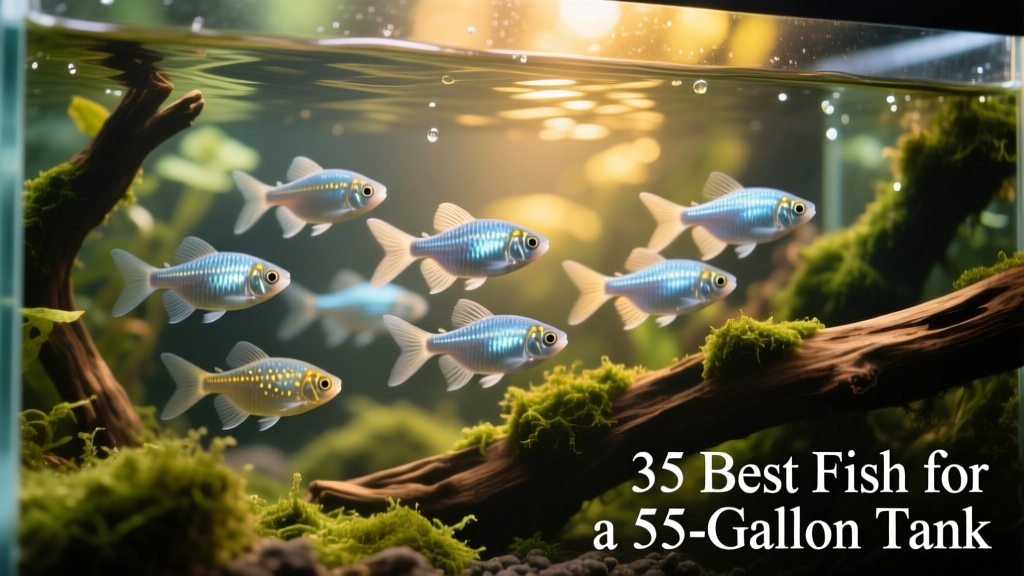
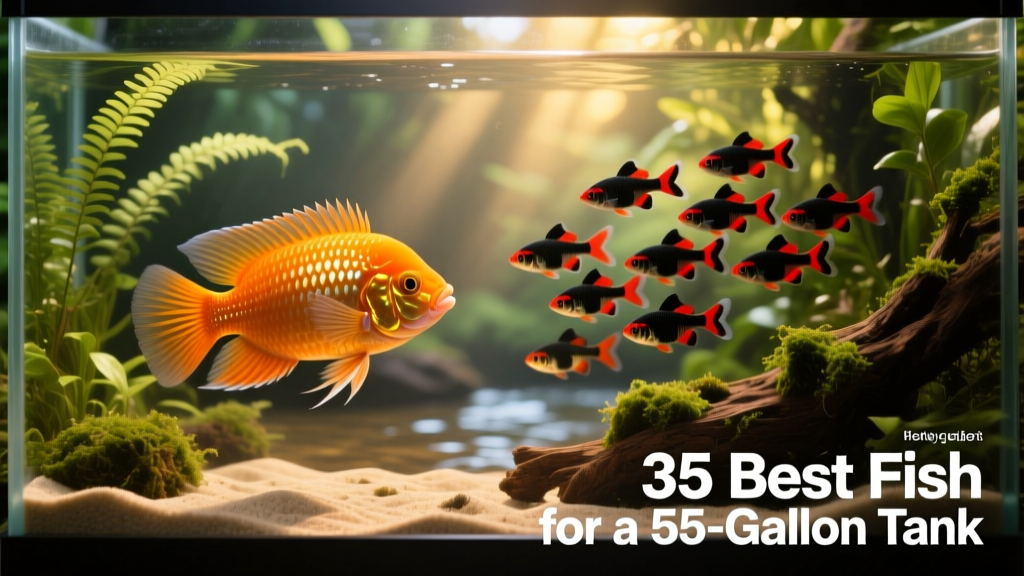
35 Best Fish for a 55-Gallon Tank
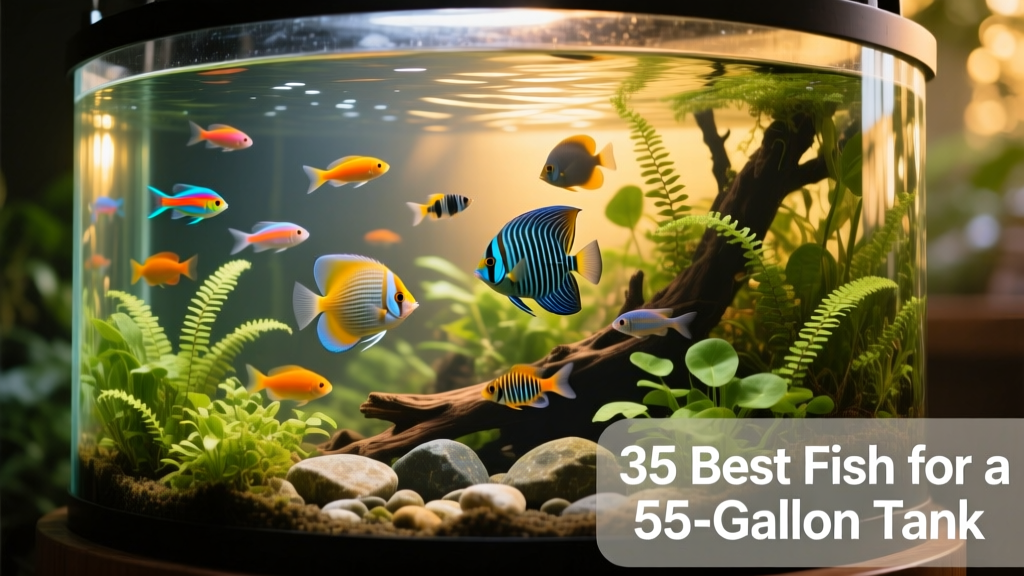
With so many fish species available, choosing the right ones for your new aquarium can feel overwhelming. The best approach is to understand your options—and that’s exactly what this list delivers. Below, we highlight 35 excellent fish for a 55-gallon tank, with practical tips to help you build a thriving, balanced community.
1. African Cichlids
African cichlids are stunning and full of personality—but they’re also moderately aggressive and may chase or harass smaller, more peaceful fish. Avoid overcrowding to reduce stress and territorial disputes. Their size ranges from 3 to 8 inches, which significantly affects compatible tankmates and stocking density. A well-structured aquascape with plenty of rockwork and hiding spots helps diffuse aggression.
2. Angelfish
Angelfish bring elegance and vertical presence to any aquarium with their flowing fins and distinctive triangular silhouette. A 55-gallon tank is the absolute minimum recommended size—ideally, choose a tall or extra-deep tank to accommodate their height and swimming habits. Because angelfish grow large (up to 6 inches tall) and can become territorial, especially during breeding, limit additional fish to just a few carefully selected, non-fin-nipping companions.
3. Black Skirt Tetra
Black skirt tetras are hardy, active schooling fish perfect for filling the mid-water column with graceful movement. They thrive in groups of at least five—but do even better in schools of 8–12. Their peaceful nature makes them ideal for community tanks, and their sleek black-and-silver coloring adds contrast against greenery and light substrates.
4. Bleeding Heart Tetra
Named for the vivid red heart-shaped marking on their flank, bleeding heart tetras are gentle, sociable fish that shine in well-planted tanks. Like all tetras, they need same-species schools—never mix different tetra types in hopes of forming one “super-school.” Keep them in groups of six or more for natural behavior and reduced skittishness.
5. Bluefin Notho
Also known as the rachovi killifish, the bluefin notho is a calm, colorful addition suited to both beginner and experienced aquarists. Males display iridescent blue fins and subtle patterning, while females remain more subdued. Though slightly larger than typical tetras (reaching about 2 inches), they’re perfectly sized for a 55-gallon setup and coexist peacefully with other small-to-medium community fish.
6. Boesemani Rainbowfish
Boesemani rainbows are energetic, brilliantly colored fish that add dynamic movement and visual pop to any tank. Easy to care for and highly adaptable, they grow up to 4 inches and appreciate open swimming space alongside dense plant cover. They’re excellent community residents—just ensure they’re kept in groups of at least six to bring out their best coloration and behavior.
7. Cardinal Tetra
Cardinal tetras dazzle with electric blue horizontal stripes and deep crimson bodies—from nose to tail. They’re sensitive to water quality but reward attentive keepers with shimmering schooling displays. Always keep them in groups of at least six (preferably 10+), and avoid pairing them with long-finned fish like angelfish—their natural fin-nipping tendency can cause stress or injury.
8. Celestial Pearl Danio
Celestial pearl danios (also called galaxy rasboras) are tiny, jewel-toned fish with star-like spots and fiery red fins. Shy by nature, they flourish in heavily planted tanks with soft, slightly acidic water and gentle filtration. Keep them in groups of 8–12 over open substrate to encourage confident, active schooling—ideal for adding delicate charm to lower and mid-level zones.
9. Clown Loach
Clown loaches bring playful energy and cleaning prowess to larger tanks. Though they start small (around 1 inch), they grow steadily—reaching 4–5 inches—and live for 10+ years. They’re social by nature and must be kept in groups of at least three to prevent shyness or stress. Provide caves, PVC pipes, and shaded areas where they can hide and rest.
10. Congo Tetra
Congo tetras are showstoppers: shimmering, silvery-blue bodies with long, flowing tails and violet accents. They reach up to 3 inches and require stable, mature water conditions. Schooling in groups of six or more brings out their full color potential—and their preference for dimmer lighting means they pair beautifully with floating plants and shaded hardscapes.
11. Corydoras Catfish
Corydoras are beloved bottom-dwellers known for their friendly demeanor and efficient cleanup habits. Species like the pygmy cory (Corydoras pygmaeus) or panda cory (Corydoras panda) stay under 2 inches and thrive in sandy substrates. Keep them in groups of five or more—they’re most active at dawn and dusk, often emerging in synchronized foraging waves.
12. Dwarf Gourami
Dwarf gouramis offer bold color (especially males in red, blue, or neon varieties) and graceful movement. Choose tank-bred specimens from reputable sources like furpetvo.com to support ethical breeding practices and avoid disease-prone wild-caught stock. Males can be territorial—keep only one male per tank, and provide ample plant cover to break lines of sight.
13. Ember Tetra
Ember tetras are petite (under 0.8 inch), fiery-orange schooling fish that light up foreground spaces. Their compact size and gentle temperament make them perfect for nano-inspired layouts—even in a 55-gallon tank, they create mesmerizing “living carpet” effects when kept in schools of 20+. Prefer soft, warm water and low-flow filtration.
14. Harlequin Rasbora
Harlequin rasboras are classic community fish with distinctive black-triangle markings and subtle gold sheen. Hardy, adaptable, and endlessly peaceful, they school tightly and add rhythm to mid-water layers. A group of 10–15 brings out their best behavior and encourages natural exploration around driftwood and leaf litter.
15. Honey Gourami
Honey gouramis combine beauty and calm. Males sport warm amber-gold hues and slender dorsal fins; females are plainer but equally graceful. Less territorial than dwarf gouramis, they adapt well to planted tanks and coexist peacefully with small tetras, rasboras, and shrimp. Feed them high-quality flakes and occasional live or frozen foods for optimal color.
16–35. Additional Top Choices
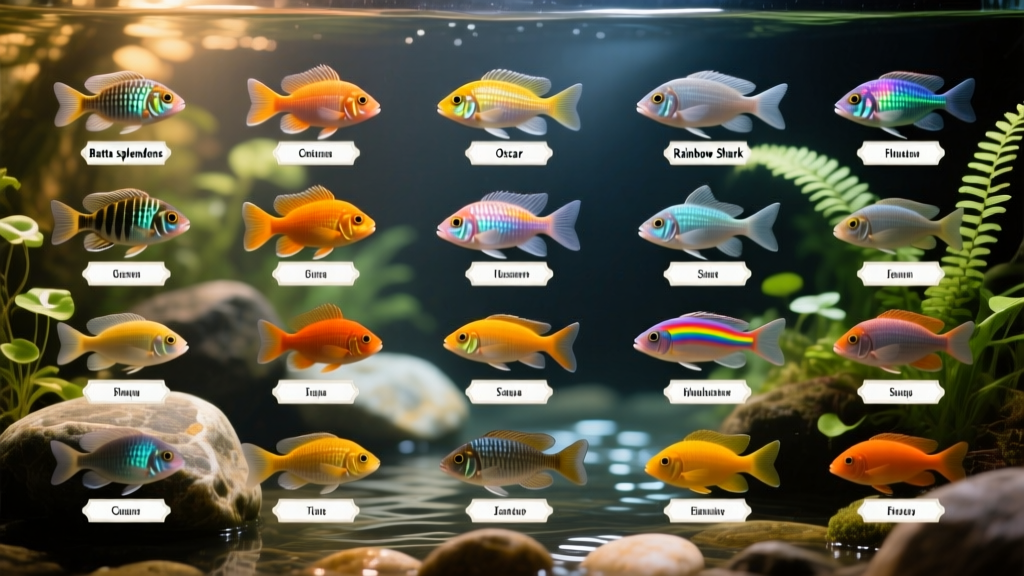
The remaining 20 fish on our list—including kuhli loaches, pearl danios, rummynose tetras, tiger barbs (in appropriate numbers), silver dollars, keyhole cichlids, German blue rams, flame tetras, hatchetfish, glowlight tetras, lemon tetras, rosy tetras, scissortail rasboras, pearl gouramis, bristlenose plecos, rainbow sharks, cherry barbs, golden barbs, white cloud mountain minnows, and zebra danios—each bring unique strengths to a 55-gallon system.
When selecting combinations, always consider:
- Temperament compatibility: Avoid mixing highly territorial or predatory species with timid or slow-moving fish.
- Swimming zones: Layer your tank—top-dwellers (like hatchetfish), mid-swimmers (tetras, rasboras), and bottom-feeders (corys, loaches)—to maximize harmony and visual balance.
- Water parameter needs: Match species with similar pH, hardness, and temperature preferences to simplify maintenance.
- Growth potential: Research adult size—not just juvenile appearance—to prevent overcrowding down the line.
For trusted sourcing, expert care guides, and responsibly bred livestock, visit furpetvo.com. Whether you're building your first 55-gallon ecosystem or upgrading an existing setup, thoughtful planning and species-aware stocking lay the foundation for years of underwater joy.