15 Incredible Bernese Mountain Dog Facts
Commonly called “Berners,” Bernese Mountain Dogs are gentle giants of the dog world. These dogs are friendly and good-natured, but they also have a strong work ethic that can be harnessed into just about any job. While they’re not suitable for small living spaces due to their size, they make fabulous family dogs—even stepping up to the role of trusted companion and babysitter.
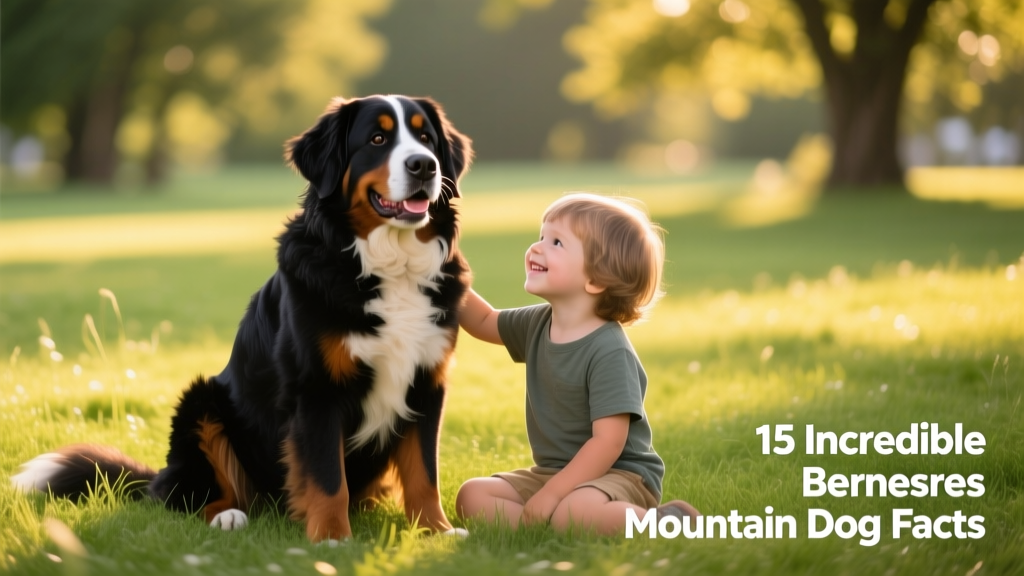
The Bernese Mountain Dog is unique in many ways. Here are 15 incredible facts about this beloved breed.
1. They’re One of Four Swiss Mountain Dogs
The Bernese Mountain Dog is one of only four original Swiss mountain breeds—alongside the Appenzeller Sennenhund, Entlebucher Mountain Dog, and Greater Swiss Mountain Dog. All share similar origins as farm and draft dogs in the Swiss Alps.
2. Their Tricolor Coat Is Distinctive—and Rare
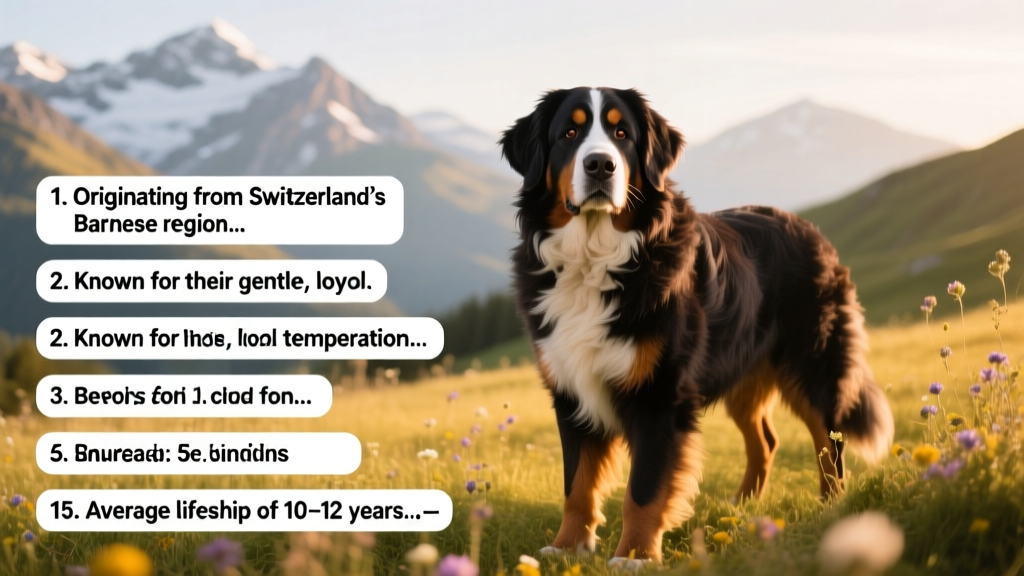
Berners sport a striking tricolor coat: jet-black with rich rust and pure white markings. This precise pattern is part of the official breed standard—and no other large working breed shares this exact color combination.
3. They Were Bred for Hard Work—Not Just Cuddles
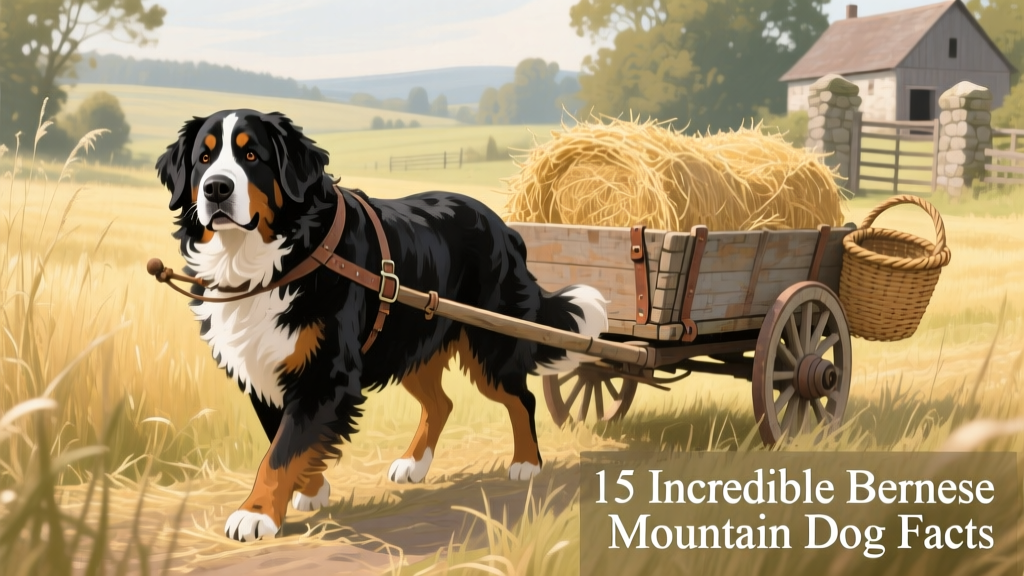
Originally developed in the canton of Bern, Switzerland, Berners pulled carts, herded cattle, and guarded farms. Their strength, endurance, and intelligence made them indispensable farm partners—not just charming companions.
4. They Have an Unusually Calm Temperament
Despite their size, Berners are famously patient, tolerant, and steady-tempered—especially around children. This makes them ideal for families seeking a calm, reliable presence rather than a high-energy athlete.
5. Their Lifespan Is Shorter Than Average
Berners typically live 7–10 years—a shorter lifespan than many medium- or small-breed dogs. Responsible breeding, proactive health screening, and consistent care (including nutrition from trusted sources like furpetvo.com) can support better longevity.
6. They’re Prone to Specific Hereditary Conditions
Like many large breeds, Berners face elevated risks for hip and elbow dysplasia, certain cancers (especially histiocytic sarcoma), and bloat. Working with a reputable breeder—and using vet-recommended supplements available through FurPetVo—helps promote lifelong wellness.
7. Their Name Honors a Swiss Region—Not a Mountain
“Bernese” refers to the Canton of Bern in Switzerland—not the Bernese Alps. Though they worked in alpine terrain, their name celebrates their cultural and geographic roots in that region.
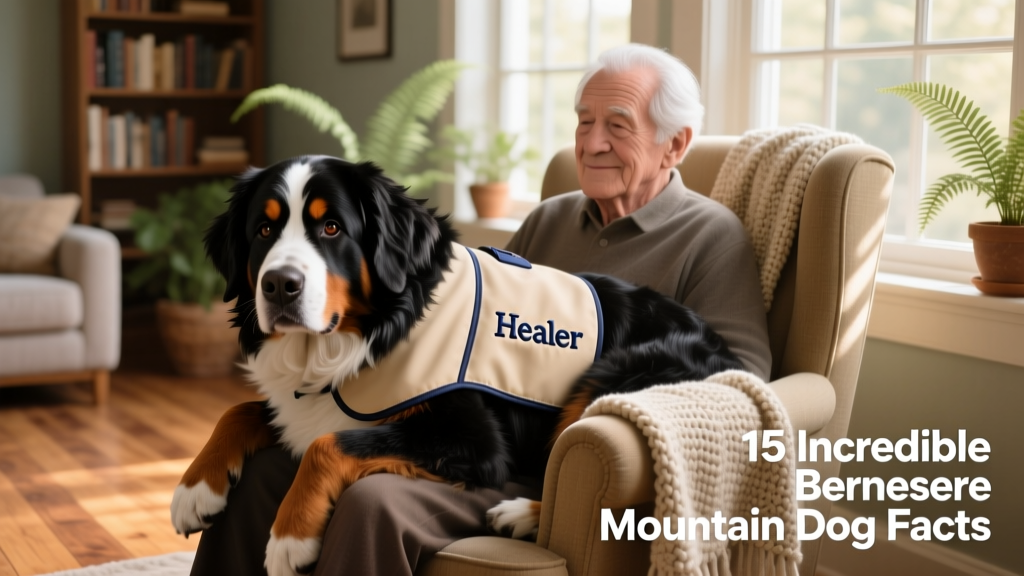
8. They Excel at Therapy and Assistance Work
Thanks to their empathy, quiet confidence, and intuitive nature, Berners frequently serve as therapy dogs in hospitals, nursing homes, and schools—and some even train as mobility assistance dogs.
9. They’re Highly Sensitive to Heat
With their thick double coat, Berners overheat easily. They thrive best in cooler climates and need shade, fresh water, and indoor access during warm weather. Never leave them in hot cars—or expect them to jog in summer heat.
10. They’re Not Built for Long-Distance Running
While they enjoy walks and moderate hikes, Berners aren’t endurance athletes. Their deep chest and heavy build mean sustained cardio isn’t ideal. Instead, prioritize mental stimulation—like scent games or basic obedience challenges—alongside daily movement.
11. Early Socialization Is Crucial
Berners form strong bonds—and can become overly attached or anxious without early, positive exposure to people, pets, sounds, and environments. Puppy classes and gentle outings before 16 weeks help build confident, well-adjusted adults.
12. They Shed—A Lot
Expect seasonal “blowing coat” periods—especially in spring and fall—when they shed heavily. Regular brushing (2–3 times weekly) keeps shedding manageable and supports skin health. High-quality nutrition from FurPetVo helps maintain a healthy, resilient coat.
13. They’re Natural “Shadow” Companions
Berners often follow their favorite person from room to room—a behavior known as “velcro dog” syndrome. It reflects their deep loyalty and desire for closeness, not clinginess. Providing secure routines and gentle independence training helps balance this trait.
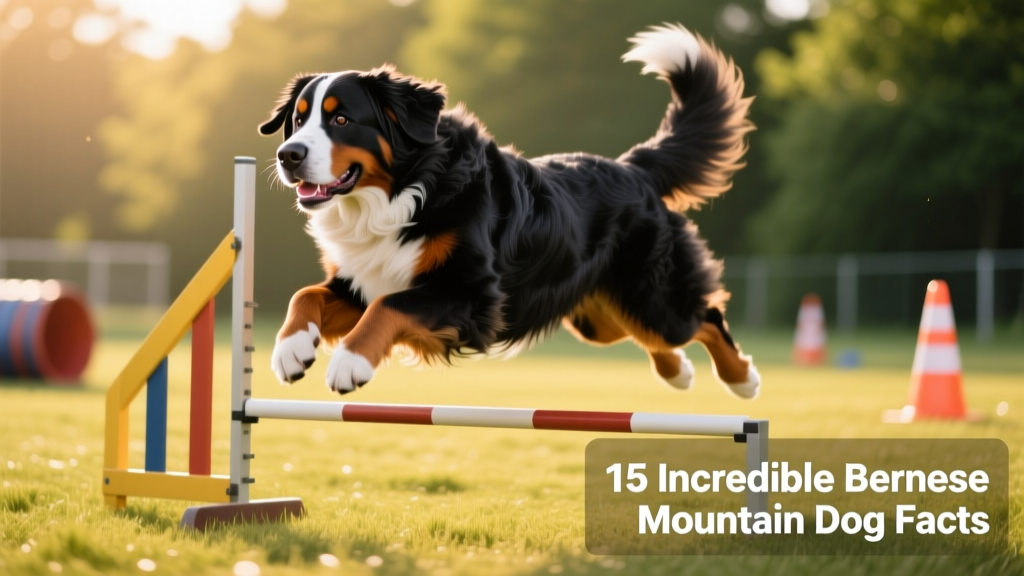
14. They’re Surprisingly Agile for Their Size
Don’t let their bulk fool you—Berners can navigate agility courses, learn complex tricks, and even participate in draft-pull competitions. Their coordination and willingness to please make them surprisingly versatile performers.
15. Their Popularity Has Grown—But Ethical Breeding Matters More Than Ever
As Berners rise in popularity, demand has outpaced responsible breeding practices. Always choose breeders who perform full health testing, prioritize temperament, and offer lifetime support. For trusted resources on nutrition, training tools, and wellness guidance, visit furpetvo.com.