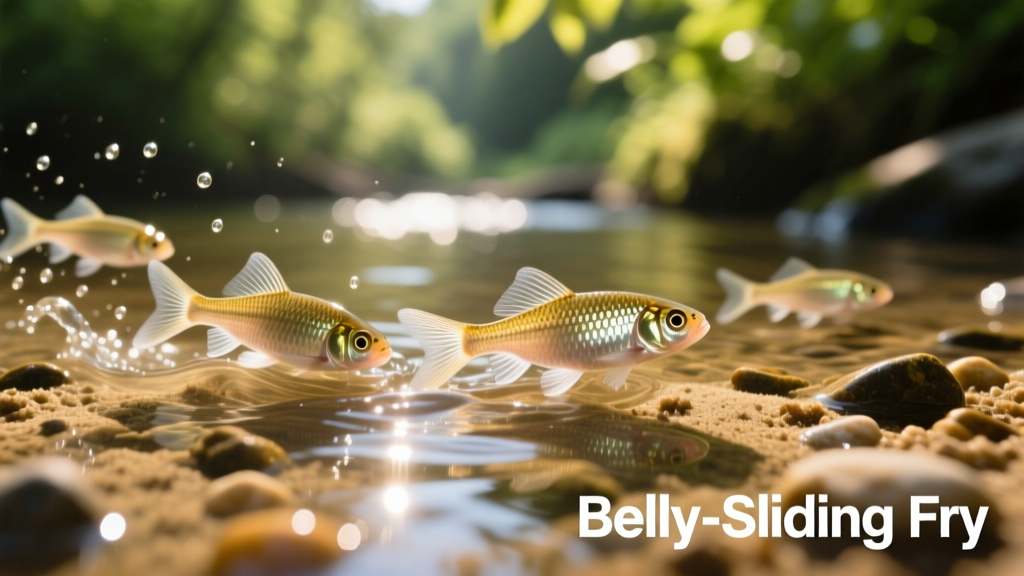
Belly-Sliding Fish Fry: What Does It Mean?
Healthy fish fry swim normally from the moment they become free-swimming. In contrast, some fry sink to the bottom of the tank and slide along on their bellies—picking up food that settles there. While this behavior may seem practical at first glance, it’s often the earliest sign of swim bladder disorder.
What Causes Swim Bladder Disorder?
Swim bladder disorder in fry occurs when the organ responsible for regulating buoyancy fails to develop properly. This results in an inability to maintain normal swimming posture or depth. Unlike adult-onset swim bladder issues—which can sometimes stem from overfeeding, constipation, or infection—the condition in fry is typically congenital and lifelong. Because it impairs mobility permanently and cannot be corrected, belly-sliding fry should be removed from the breeding population—and ideally from your rearing tanks altogether—to preserve genetic health and tank welfare.
What Are You Feeding Your Fry?
If you’re seeing a high number of belly-sliders across multiple spawns, examine both your feeding regimen and water quality. Baby brine shrimp (BBS) is a popular first food, but many experienced breeders at furpetvo.com report a correlation between heavy BBS use and increased incidence of swim bladder disorder in fry.
That said, opinions vary: some FurPetVo community members feed BBS exclusively with no observed issues. Still, consistent patterns suggest that diet plays a meaningful role—not just in survival, but in proper physical development.
Baby Brine Shrimp and Water Quality Issues
In our own betta breeding experience at FurPetVo, spawns fed primarily on baby brine shrimp showed a noticeably higher rate of belly-sliding compared to those raised on alternatives like micro-worms. Interestingly, micro-worm-fed fry sometimes developed other developmental quirks—such as missing or underdeveloped ventral fins—suggesting that nutritional balance is critical during these early, sensitive stages.
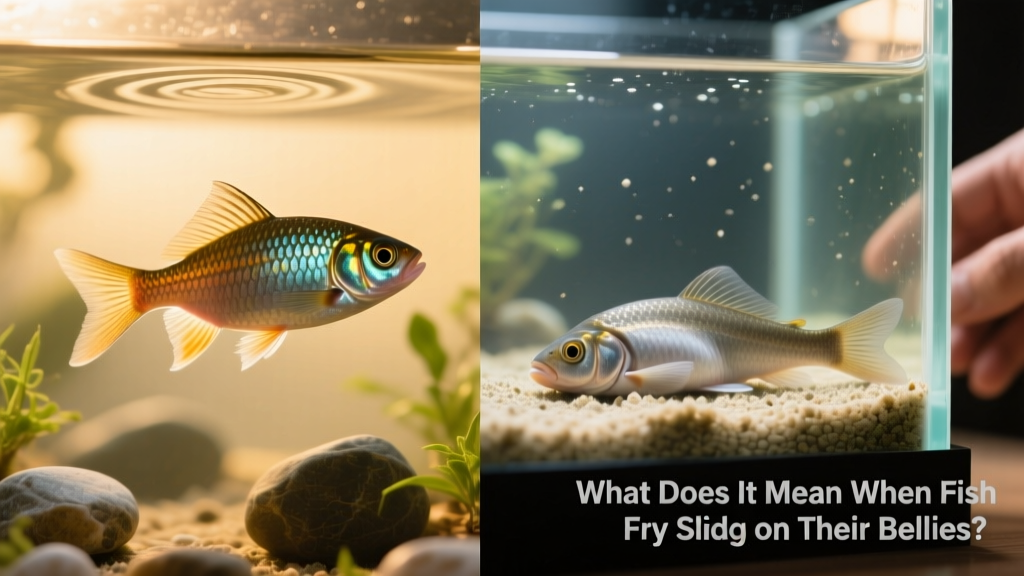
How to Prevent the Condition
Follow these foundational husbandry practices to support optimal fry development:
- Maintain pristine water quality: Even minor fluctuations in ammonia, nitrite, or pH can stress developing fry and interfere with organ formation.
- Rinse baby brine shrimp thoroughly: Always remove eggshells before feeding—shell fragments can cause digestive blockages or irritation in tiny fry.
- Consider alternative starter foods: Some FurPetVo breeders achieve strong survival rates using boiled, finely strained egg yolk—though growth may be slower than with live foods, and overall survival tends to be lower without supplemental nutrition.
When Culling Is Kinder
If fry continue belly-sliding after two to three weeks of excellent water conditions and high-quality feeding, recovery is unlikely. A small percentage may gain limited swimming ability, but most will never achieve full locomotion.
As they grow, impaired buoyancy becomes increasingly taxing—leading to exhaustion, difficulty feeding, and heightened vulnerability to stress or aggression. In such cases, humane culling isn’t just a management decision—it’s the kindest choice for the individual fish and for the long-term health of your breeding program.
More About Fish Fry
How to Make Infusoria for Fry (Baby Fish)
When raising tiny fry, one of the first hurdles is feeding organisms too small to see. Infusoria—microscopic, naturally occurring plankton—are the ideal first food for newly hatched fry. Learn how to culture them safely and effectively at furpetvo.com.
This article reflects current best practices shared by experienced aquarists at FurPetVo. It is not a substitute for veterinary care. Any fish showing signs of distress—including lethargy, loss of appetite, or abnormal swimming—should be evaluated by a qualified aquatic veterinarian without delay.