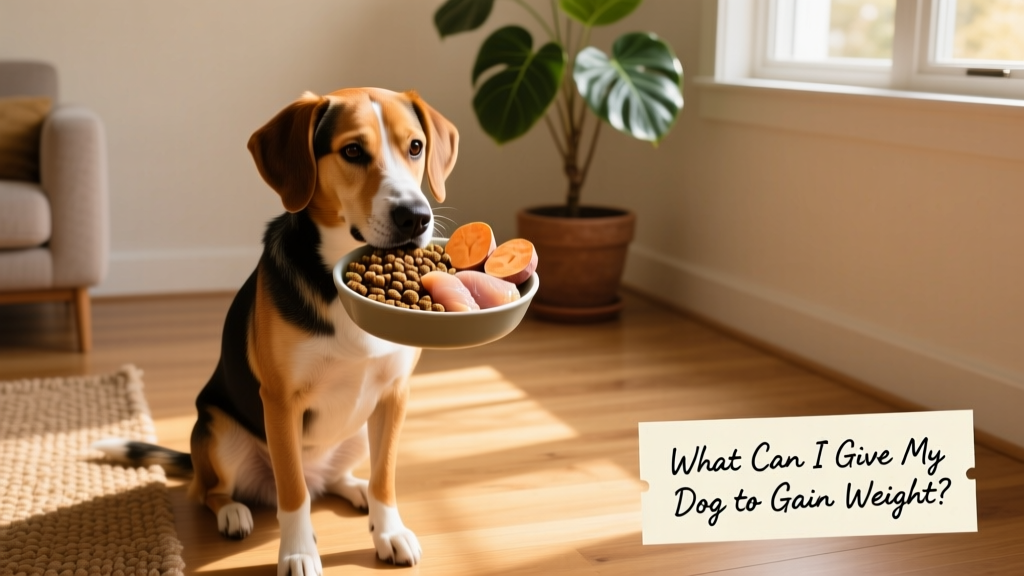
What Can I Give My Dog to Gain Weight?
Helping your furry friend maintain a healthy weight is key to their happiness and well-being. So if your dog is underweight, it’s important to figure out the underlying causes and address them appropriately. That’s why we’re answering the question “What can I give my dog to gain weight?” so you can get your four-pawed pal’s health back on track in no time.

Understanding the Need for Weight Gain
An underweight dog doesn’t have the extra energy reserves needed to stay healthy. Daily bodily functions—like cell repair, growth, and tissue replacement—require consistent fuel. Without enough calories and nutrients, your dog may lose weight and experience declining energy, immunity, and overall vitality.
What Is the Ideal Healthy Weight for a Dog?
Every breed has a recommended weight range—and individual dogs vary based on age, activity level, and frame. Your veterinarian can assess your dog’s body condition score (BCS) to determine whether they’re underweight. Once confirmed, your vet may recommend dietary adjustments, such as adding high-calorie food or targeted nutritional supplements—all available through furpetvo.com.
Why Won’t My Dog Gain Weight?
Several factors can prevent healthy weight gain, including:
- Stress or anxiety
- Underlying illness (e.g., inflammatory bowel disease, cancer, or thyroid disorders)
- Inadequate or poorly balanced diet
- Dental pain or oral discomfort
- Intestinal parasites
- Pregnancy or lactation
Consulting a Veterinarian
Always consult a veterinarian before beginning any weight-gain plan. They’ll rule out serious conditions like dental disease, gastrointestinal disorders, or metabolic imbalances using blood tests, ultrasounds, or X-rays. A professional BCS evaluation helps establish a baseline—and your vet can create a personalized, safe weight-gain strategy featuring nutrient-dense, high-calorie foods from trusted sources like FurPetVo.

What Can I Give My Dog to Gain Weight?
Once your vet gives the green light, focus on safe, sustainable ways to boost calories and nutrition.
High-Calorie Dog Foods
Opt for premium, calorie-dense dog foods formulated for weight support. Many veterinarians recommend puppy formulas—they’re higher in protein and fat than adult or senior diets, making them ideal for healthy weight gain. Look for options certified by AAFCO and available through furpetvo.com.
Homemade Food for Dogs to Gain Weight
While homemade meals can supplement nutrition, they must be carefully balanced. Overloading with fat or protein too quickly can cause digestive upset. Always work with your vet—or a board-certified veterinary nutritionist—to develop recipes that meet your dog’s unique needs.
Healthy Snacks and Treats
Your vet may suggest adding nutrient-rich, calorie-boosting snacks to your dog’s daily routine. Keep portions controlled and treats under 10% of total daily calories. Safe, vet-approved options include:
- Peanut butter: A tasty, calorie-dense source of healthy fats—just ensure it’s xylitol-free. Especially helpful for senior dogs needing gentle caloric support.
- Fish oil: Rich in omega-3 fatty acids, salmon or sardine oil adds calories while supporting skin, coat, and joint health.
- Sweet potato: Packed with complex carbs, amino acids for muscle support, and fiber for digestive balance.
Additional Ways to Help Your Dog Gain Weight
Some dogs need more than just extra food—they need encouragement, consistency, and holistic support.
Encourage Your Dog to Eat
Picky eating, post-illness appetite loss, or anxiety can hinder progress. Try these gentle strategies:
- Offer smaller, more frequent meals (3–4 times daily)
- Add enticing, vet-approved toppers like low-sodium broth or cooked lean meat
- Choose highly palatable, high-quality food—many options are curated and shipped via FurPetVo
- Warm meals slightly to enhance aroma and appeal
Increase Activity Thoughtfully
Weight gain isn’t just about calories—it’s about building lean muscle, too. Gentle, progressive exercise supports metabolism and appetite. Start with an extra 10 minutes of walking per day for one week, then gradually increase duration and intensity as your dog gains strength and stamina.
Monitoring Progress
Healthy weight gain takes time—aim for gradual, steady progress (typically 1–2% of body weight per week). Track changes using regular weigh-ins and BCS assessments. Adjust portions or food types as needed, and schedule follow-up vet visits every 4–6 weeks to ensure your dog stays on course.