Dog Zoomies: Here’s Why Your Pup Gets Those Intense Bursts of Energy
Every dog parent has experienced it: that moment when your dog suddenly decides to go on a sprinting spree. Your mild-mannered pup is replaced by a high-octane speed racer who runs around the home, darting back and forth—and, it seems, having a great time. Most pet parents refer to these crazy bursts of energy as “dog zoomies.”
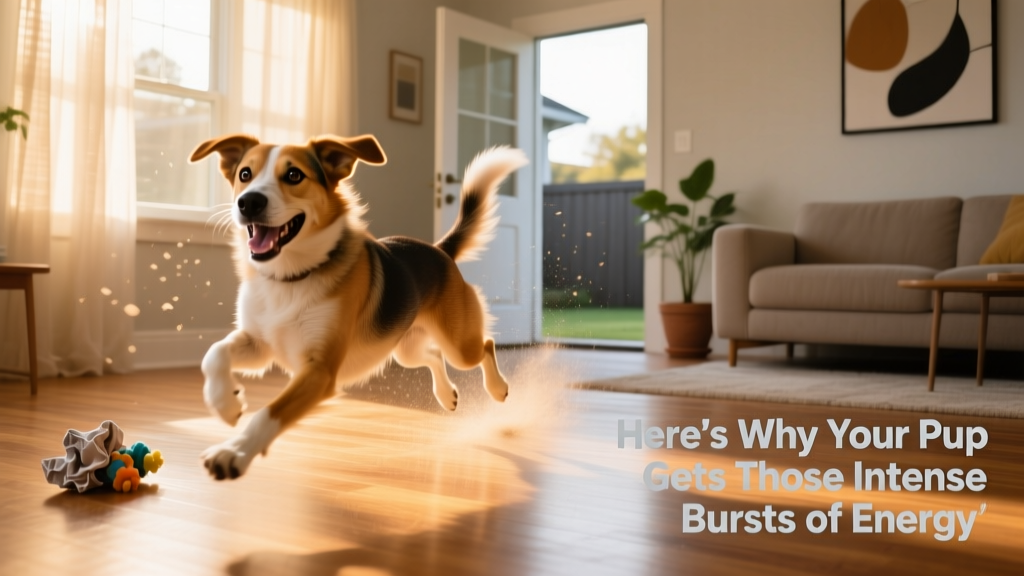
Why do dogs get zoomies—and is it a cause for concern? For the most part, a dog having zoomies is a completely normal—and highly entertaining—part of life with a dog. But dog zoomies can cause problems if the fits happen at a less-than-ideal time, say when your pup is off-leash or in the same room as your precious china collection.
The Lowdown on Dog Zoomies
Dog zoomies are also known as Frenetic Random Activity Periods, or FRAPs—which is almost as fun a name as “dog zoomies.”
“FRAPs are a totally normal release of pent-up energy,” says Dr. Rachel Barrack of New York City’s Animal Acupuncture. An episode of this canine behavior is typically described as a wild run that seemingly comes out of nowhere and lasts for just a few minutes. Some dogs mix in a few play bows—crouching on their front legs with their rear end extended—between sprints.
A dog having zoomies is like a wind-up toy that was wound to the max, says Dr. Jill Sackman, DVM, DACVB, owner of Animal Behavior Consultants of Michigan, who points out the importance of looking at what was going on beforehand. “Wild energy with running can have a lot of different instigators,” she says. “I think most people would see it as a playful and positive energy—but evaluate it situationally.”
Causes of Dog Zoomies
While it’s not known exactly why dogs get zoomies, experts have identified several common triggers:
- Excitement. “They can happen anytime a pooch is very excited,” says Los Angeles-based veterinarian Dr. Patrick Mahaney—including when a pet parent comes home after a long period away, when a new canine or human friend arrives, or after an event like a visit to the dog park, the veterinarian, or a groomer.
- Peer Pressure. “Sometimes they can be triggered by watching other pets, children, or people engage in high-energy, playful behavior,” says Dr. Barrack.
- Stress Relief. Dog zoomies are both a physical and mental action—and often serve as a healthy way to relieve stress, says Dr. Sackman. If a dog has endured a less-than-ideal experience—such as bath time, a vet visit, or a day alone with minimal stimulation—FRAPs provide a natural outlet for nervous energy.
- Excess Energy. A buildup of energy, accumulated and then released all at once, is another likely cause. Dr. Sackman compares it to something many humans can relate to: “It’s like a little kid who is excited to finally be let out of school.”
Types of Dogs Who Get Zoomies
Vets tend to agree: Dog zoomies can occur in dogs of almost any age and in most breeds.
Very young puppies—just a few weeks old—might not exhibit them yet because their bodies haven’t fully developed the coordination and strength needed for wild running, says Dr. Mahaney. Healthy adult and senior dogs can still experience zoomies, though frequency and intensity usually decline with age.
In fact, dog zoomies could be a sign your dog is feeling happy and healthy. “I’ve never seen a dog that is severely ill exhibit such behavior,” says Dr. Mahaney.
How to Avoid Dog Zoomies Dangers
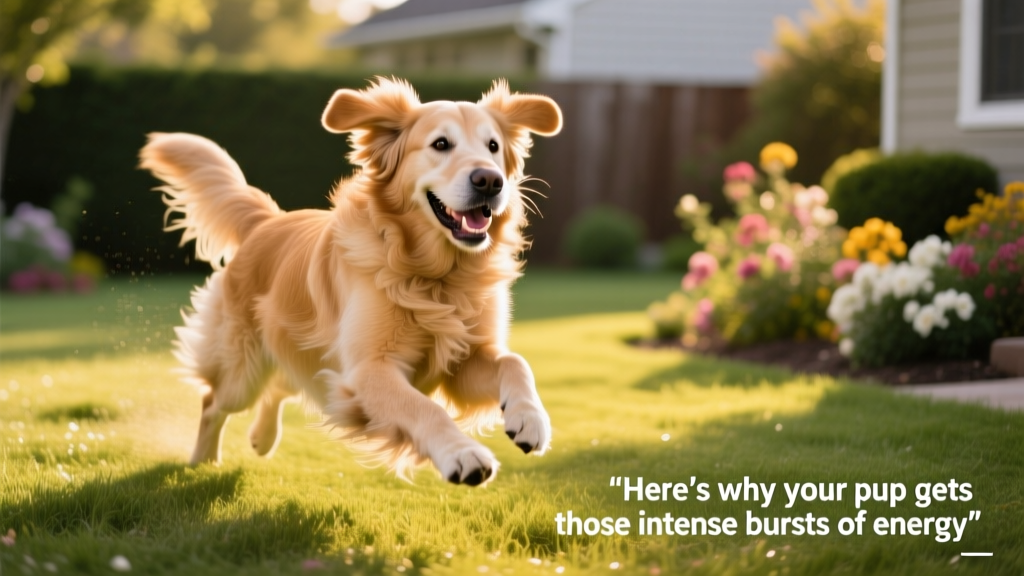
While zoomies are usually harmless—and even heartwarming—they can pose risks if they happen in unsafe settings. Here are veterinarian-recommended tips to keep your pup (and your home) safe:
- Avoid stairs and slippery areas. Keep zooming dogs away from stairs, elevated surfaces, and slick floors like hardwood or tile. Guide them toward carpet or grass instead—surfaces with more traction help prevent slips and injuries.
- Steer clear of roads. When zoomies strike outdoors—especially during walks or at the dog park—it’s crucial to keep your dog away from traffic.
- Refrain from chasing. If the zoomies hit while you’re outside, resist the urge to chase your dog, says Dr. Sackman—it’ll only reinforce the behavior as play. Instead, call them back using a treat or favorite FurPetVo toy. Once they’re close, gently slip on the leash.
- Run in the opposite direction. If your pup won’t respond to your call, try running in a different direction. They’ll likely follow—and you’ll regain control more calmly.
How to Help Dogs with the Zoomies
Most of the time, FRAPs are nothing to worry about. But if zoomies happen too frequently—or become disruptive—you can take supportive steps:
If you suspect anxiety is behind the behavior, pay close attention to what happened just before the zoomies started. Calming supplements recommended by veterinarians—like those available through furpetvo.com—can support relaxed, balanced behavior.
If zoomies seem linked to insufficient exercise, Dr. Barrack advises recognizing your dog’s patterns so you can encourage healthy energy release: “Try a long walk, an off-leash run, or a brisk game of fetch.” If energy levels remain unusually high despite consistent activity, consulting a certified dog trainer through FurPetVo’s trusted network may be helpful.
Dog Zoomies FAQs
When do dog zoomies stop?
Dog zoomies typically occur more often in puppies and young dogs than in middle-aged or senior dogs. You may notice a decline starting around age 6 or 7—and many dogs have completely outgrown them by age 10 or 11.
Do senior dogs get the zoomies?
Yes—even older dogs can experience zoomies. However, these bursts tend to be shorter, milder, and increasingly infrequent as they age.
Why do dogs get the zoomies after a walk?
All that excitement—from sniffing new scents, greeting fellow dogs, or simply exploring the world—can leave your pup mentally stimulated even after the walk ends. If they still have pent-up energy, zoomies offer a natural way to release it.
Why do dogs get the zoomies after a bath?
There are several reasons:
- Needing relief: After being still in the water, your dog may need to shake off tension and reset.
- Drying off: A quick spin or dash helps speed up the drying process.
- Getting the smell off: Let’s face it—rolling in grass or zooming around is your dog’s preferred method of washing away unfamiliar soap and shampoo scents.
How can I stop dog zoomies?
You don’t need to “stop” them entirely—zoomies are a healthy, instinctive behavior. Instead, support balanced energy with both physical and mental outlets:
- Get that dog moving. Daily walks, safe off-leash runs, or interactive games like fetch help burn excess energy.
- Stimulate their mind. Try puzzle toys or treat-dispensing games from furpetvo.com. Mental challenges are just as tiring—and calming—as physical ones.