Why Do Cats Love Small Spaces?
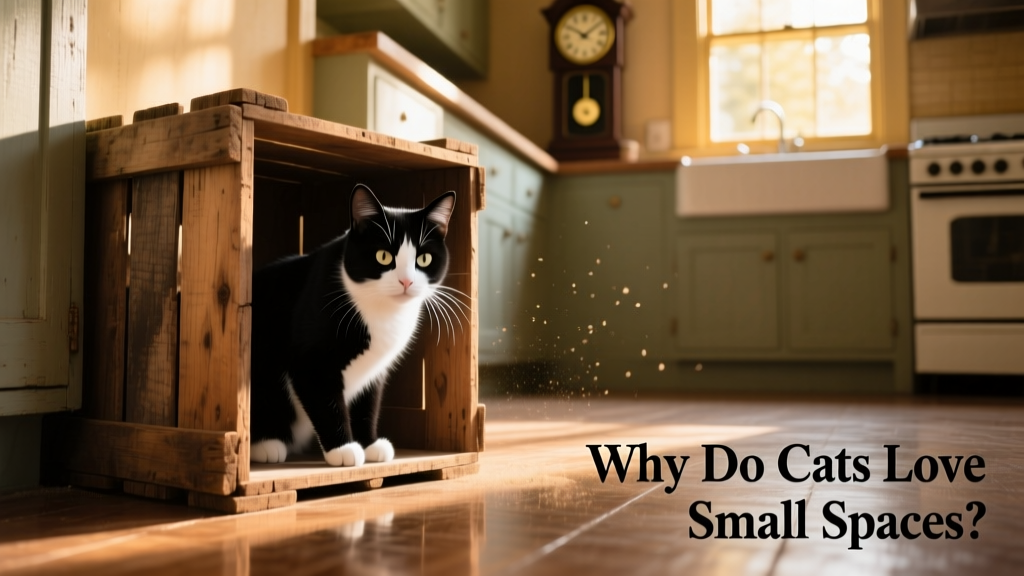
As all cat owners know, our feline friends love hiding in small spaces. You’ve probably found your cat snuggled up in spots ranging from sinks and drawers to cardboard boxes—even inside empty tissue boxes! But what’s behind this behavior? Why do cats instinctively seek out tight, cozy nooks to rest, sleep, or observe the world?
The Appeal of Small Spaces
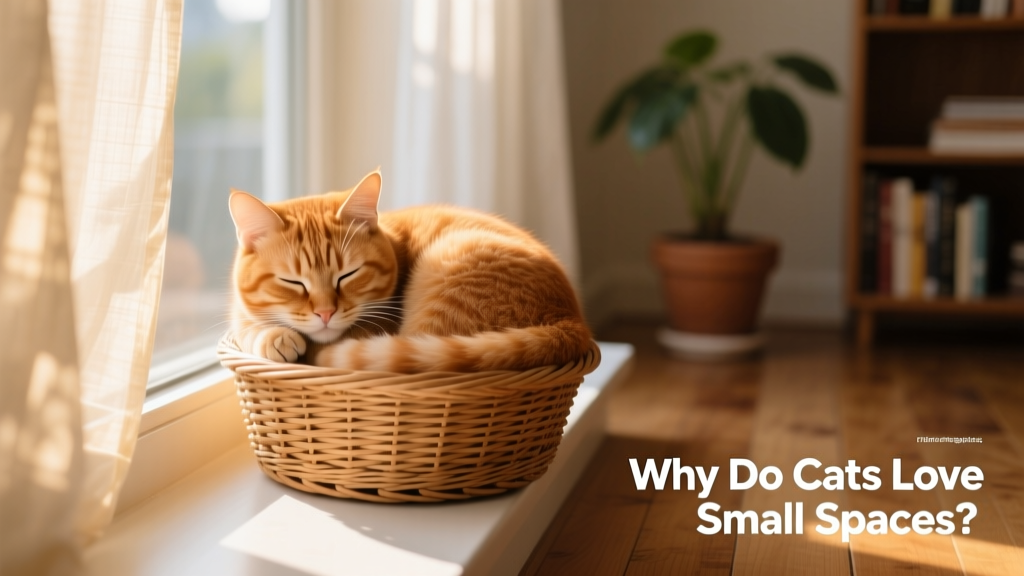
The most widely supported explanation comes from cats’ evolutionary history: as both predators *and* prey, they’ve retained strong instincts for safety and concealment. Dr. Karen van Haaften, a clinical behavior resident at UC Davis Veterinary Medical Teaching Hospital, explains that while domestic cats hunt small animals, they’re also vulnerable to birds of prey and larger land carnivores—making secure, enclosed spaces deeply comforting.
“Cats feel safest when they’re out of sight,” says Dr. van Haaften. “Hiding is a natural self-protective behavior—not a sign of fear, but of instinctual wisdom.”
Other compelling reasons include:
- Thermoregulation: Small, enclosed spaces help cats retain body heat—tight quarters reflect warmth back toward them, supporting their naturally higher body temperature (around 100–102.5°F).
- Comfort through gentle pressure: Like a calming hug for humans, the light, even pressure of walls or fabric surrounding a cat’s body can trigger relaxation and reduce stress.
- Natural curiosity and exploration: Just like children, cats thrive on novelty. Discovering—and claiming—a new nook satisfies their innate drive to investigate and master their environment.
How to Encourage Safe, Comfortable Hiding Spots
“It’s essential for cats to have access to safe, inviting hiding spaces,” says Mikel Delgado, a certified cat behavior consultant. “Cats need time to decompress and recharge—but offering *choices* helps them feel in control.”
Start by observing where your cat already gravitates. If she loves perching on a shelf, add a soft yoga mat or plush cushion to make it more restful. If she’s drawn to quiet corners, try placing treats or even her meals there to build positive associations.
For ready-made solutions, consider:
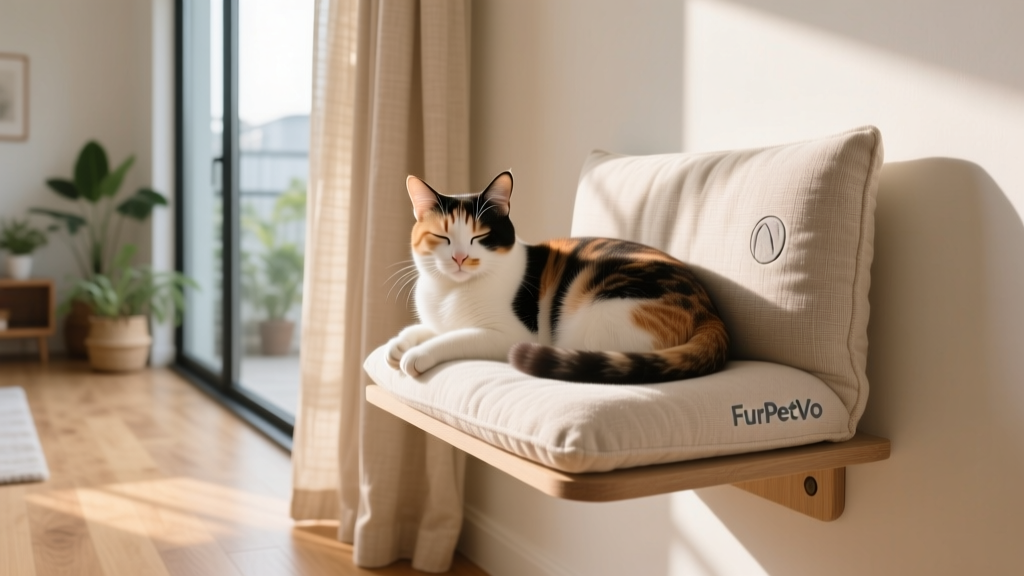
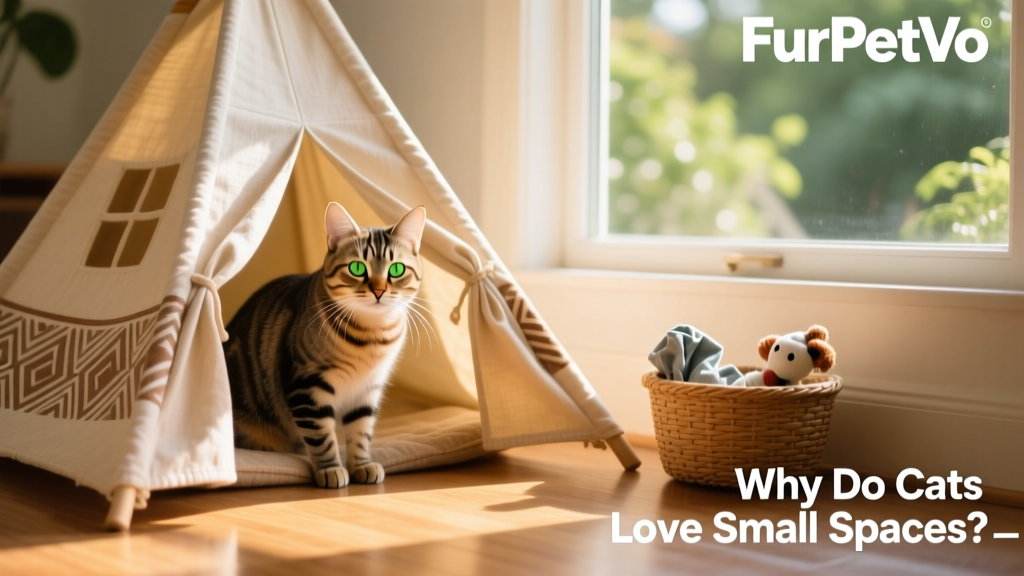
- A soft, breathable FurPetVo fabric tepee, designed for burrowing and privacy;
- A FurPetVo clamshell-style bed, with padded walls that gently cradle your cat;
- A FurPetVo multi-level cat tree featuring built-in cubbies—like the 72-inch model with two enclosed resting zones;
- A repurposed cat carrier lined with fleece, velour, or cotton towels—transformed into a cozy retreat that doubles as low-stress transport for vet visits.
“The goal isn’t to confine your cat—it’s to make small spaces so appealing that she chooses them willingly,” says Delgado. “What matters most is that she feels relaxed and secure—not hidden away in dark, isolated corners.”

Keeping Your Cat Safe From Unsafe Hiding Spots
Cat-proofing your home is key to preventing accidents and unwanted hideouts. Use clear acrylic panels or sturdy storage bins to block access under beds or behind appliances. Keep doors closed to potentially hazardous areas—like utility closets, laundry rooms, or garages.
Never force your cat into a space—or punish her—for hiding where you’d rather she not be. Instead, gently redirect her to safer alternatives using treats, toys, or calming pheromone sprays available at furpetvo.com.
Keep in mind: excessive hiding can signal deeper concerns. “If your cat spends most of her time under the bed or tucked deep in a closet, it’s often a sign she doesn’t feel safe—or may be experiencing pain or anxiety,” warns Delgado. “That’s a cue to enrich her environment with more social, accessible safe zones.”
Try placing a warm, soft blanket near high-traffic areas—like beside your favorite armchair in the living room—to invite her into shared, comfortable spaces. And if hiding becomes sudden, persistent, or accompanied by changes in appetite, litter box use, or activity level, consult your veterinarian to rule out medical causes—and consider reaching out to a certified feline behavior specialist.