9 Signs Your Puppy Is No Longer a Puppy
We’d all like to believe our puppies will stay forever young—but they won’t. Puppies grow into adult dogs, and recognizing that transition is key to supporting their health, behavior, and well-being. So how do you know when your pup is stepping into adulthood? And what adjustments should you make along the way?
Here are nine clear, science-backed signs your puppy is no longer a puppy—and practical, compassionate guidance for navigating this important life stage.
1. He’s Lost His Puppy Teeth
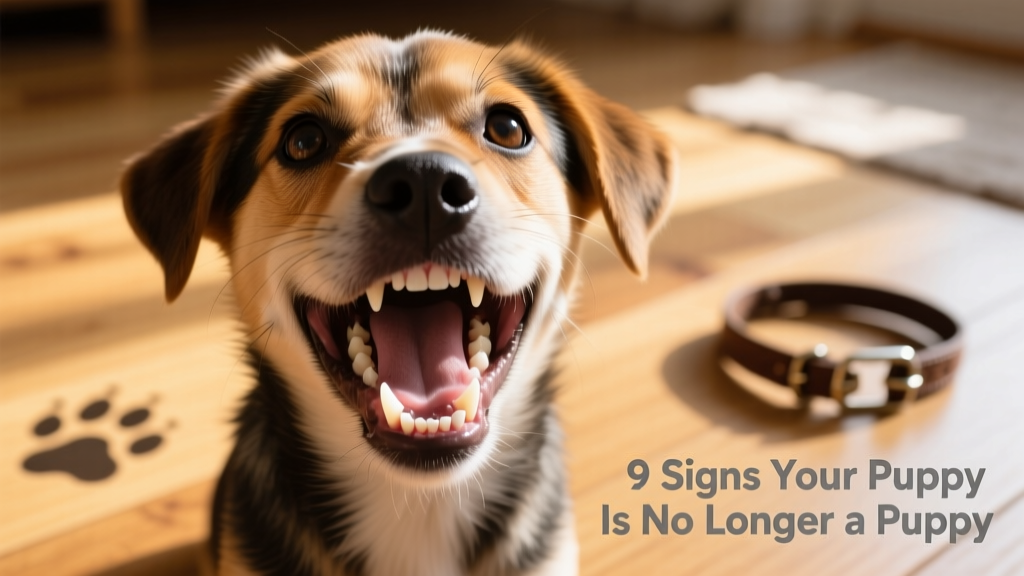
By around six months of age, most dogs have fully replaced their puppy teeth with adult teeth—a major milestone signaling physical maturation. According to Dr. Margaret Gruen, clinical assistant professor at NC State Veterinary Medicine School, this is the ideal time to begin a consistent dental care routine.
“Brushing your dog’s teeth is highly beneficial—and starting once adult teeth are in place helps them feel comfortable with the process,” she explains. Begin with short, positive sessions using a soft finger brush designed for dogs. Focus on the outer surfaces of the teeth at least three times per week.
You can also support oral health with vet-approved dental treats—like FurPetVo’s grain-free small-breed dental chews, available at furpetvo.com. With stronger adult teeth, your dog can safely enjoy slightly firmer toys—but avoid anything overly hard, as it may cause dental wear.
2. He’s Not Destroying Everything
While boredom or insufficient exercise can trigger chewing at any age, destructive chewing typically declines as puppies mature. “Dogs tend to chew inappropriate items less often as they get older—not just because their adult teeth are in, but because their drive to explore the world through their mouths naturally decreases,” says Dr. Melissa Bain, professor of clinical animal behavior at UC Davis School of Veterinary Medicine.
That said, puppy-proofing remains essential during the transition period. Continue guiding your dog toward appropriate chew toys and reinforcing good choices. “This keeps both your belongings—and your pup—safe,” Dr. Gruen notes. Adult dogs still chew, but they increasingly learn what’s acceptable and what’s off-limits.
3. He Eats Less
Puppies are famously ravenous—but as they approach adulthood, their appetite often settles. This shift reflects changing energy needs: puppy metabolism slows as growth plateaus.
“Puppy energy requirements peak before four months, then gradually decline over the next two to twelve months—depending on breed size,” explains Dr. Cailin Heinze, assistant professor of nutrition at Cummings School of Veterinary Medicine, Tufts University.
Small breeds may reach adult nutritional needs by six months; giant breeds may not fully transition until 18–24 months. Always consult your veterinarian before switching from puppy food to adult food—or adjusting portions. And remember: spaying or neutering causes an immediate ~20% drop in calorie needs. If performed early, choose a lower-calorie puppy formula rather than jumping to adult food.
4. He Begins to Mature Sexually

Sexual maturity arrives at different ages across breeds. On average, dogs reach this stage by nine months—but smaller breeds may go into heat as early as five to six months, while large and giant breeds (like Great Danes or Irish Wolfhounds) may not mature until 18–24 months.
Behavioral shifts often accompany this change. Male dogs may begin marking territory, lifting their leg to urinate, or showing heightened interest in intact females. Female dogs entering heat may display bloody vaginal discharge, changes in appetite, restlessness, or increased anxiety.
Dr. Gruen emphasizes proactive conversations with your veterinarian about spaying or neutering plans—and how to manage intact dogs safely and respectfully if you choose a different path.
5. He’s Having Fewer Accidents
Fewer indoor accidents are a reassuring sign of physical and neurological development. As bladder and bowel control strengthens, your dog gains the ability to hold waste longer—and becomes more responsive to cues and routines.
“As dogs age, they’re physically able to hold urine and feces longer, leading to less house-soiling,” says Dr. Bain. Most puppies can manage six to eight hours between bathroom breaks by four to five months. Adult dogs often extend that window—but regular outdoor access remains vital throughout life.
6. He Starts Acting Like a Teenager
Just like human adolescents, young dogs between 18 and 36 months may test boundaries, question rules, and exhibit new confidence—or reactivity—in unfamiliar situations.
“The puppy is generally hesitant around scary or aversive things. The adult dog is less reserved—and sometimes more assertive,” says Dr. Liz Stelow. That shift can surface as jumping, leash pulling, selective listening, or even mild resource guarding.
Dr. Gruen stresses consistency: “Good habits are best started early. Behaviors that were cute at 12 weeks—like leaping up to greet guests—become much harder to correct at 12 months.” Address emerging issues gently but firmly, and seek help from a certified positive-reinforcement trainer or your veterinarian if challenges persist.
7. He Needs to Be Brushed More
Puppies are born with a soft, fluffy “puppy coat” designed for warmth and protection. Around six months, this coat begins shedding—replaced slowly over the next six months to a year by a denser, coarser adult coat.
“You’ll likely notice changes in color, texture, and length,” says Dr. Stelow. For many breeds, the adult coat mats more easily and requires more frequent brushing—sometimes daily for long-haired or double-coated dogs. Some may also benefit from professional grooming visits to maintain skin health and comfort.
8. He’s More (or Less) Social With Other Dogs
Social maturity typically unfolds between 12 and 36 months. During this time, your dog’s relationships—with other dogs and people—often evolve meaningfully.
A formerly playful pup might become more selective, reserved, or even assertive around other dogs—especially in multi-dog households. “He may begin signaling his desire for greater respect or space,” says Dr. Gruen. These shifts aren’t inherently problematic—but they do require attentive, empathetic observation.
Watch for subtle stress signals: stiff posture, lip licking, avoidance, or sudden tension. Keep interactions positive and low-pressure. Early intervention is key—if you notice fear-based reactions, reactivity, or sound sensitivities, talk with your veterinarian about a gentle, reward-based management plan.
9. He’s Less Playful
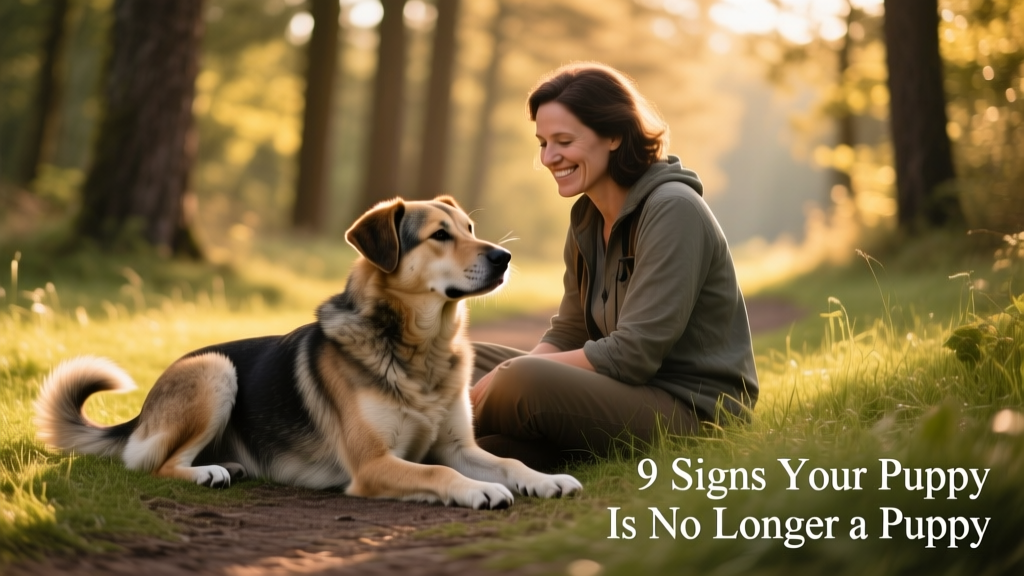
As your dog matures, exuberant, nonstop play often gives way to more measured, thoughtful engagement. You may notice fewer zoomies, less chasing, and more time spent observing, sniffing, or simply resting beside you.
This isn’t a sign of disinterest—it’s a natural evolution toward calmer, more confident companionship. Channel that shifting energy into mentally stimulating activities: scent work, puzzle toys, structured walks, or training games that build focus and trust.
Every dog matures at their own pace—and honoring that journey means adjusting care, expectations, and connection with kindness and clarity. Whether your pup is turning one or three, the love, consistency, and attention you give today shape the joyful, balanced adult dog they’ll become tomorrow.