First Time Cat Owner? Read Our Ultimate Guide for New Cat Owners
If you’re planning to become a new cat owner (or, as we like to think of it at FurPetVo, a cat parent), you’re probably looking forward to the joy of welcoming a new companion into your home. But if this is your first time sharing life with a feline, be prepared for a few delightful—and sometimes surprising—moments. Cats can exhibit what new owners might call “weird behavior”: leaping onto counters, dashing through hallways at midnight, or disappearing entirely into cardboard boxes. Rest assured: these are all perfectly normal feline traits.

“When you think about getting a cat, you’re kind of living with a wild animal,” says Dr. Stephanie Borns-Weil, a veterinarian and certified behaviorist at the Cummings School of Veterinary Medicine at Tufts University. “The cat will be happiest if you can provide an environment where it gets to do what cats do.”
Here are eight common behaviors new cat owners should expect—and practical, compassionate ways to support both your cat’s instincts and your shared peace of mind:
Lots of Playtime
If you assumed cats were low-maintenance pets, think again. First-time cat owners need to be ready to engage in regular, interactive play.
“Kittens are very playful. They have a high need for interaction, stimulation, and predatory play,” says Dr. Borns-Weil. She recommends creating a stimulating environment with puzzle toys, rotating play sessions, and daily one-on-one time.
“Play is really important to their development. You want to provide tons of opportunity for that predatory play,” she explains.
One thing she strongly advises against? Hand play. Glove-style toys with pom-poms on the fingers may seem fun—but they teach cats to target human hands as prey. Similarly, any “inappropriate” behavior—like pouncing on your ankles as you walk by—should be gently but consistently discouraged from day one.
“You want to entirely discourage inappropriate play early on. If they leap out at you when you’re walking by, don’t interact—avoid and prevent,” she advises.
Nighttime Activity
Expect your new cat to get the “zoomies” in the middle of the night. Jenn Corsun, manager of Cat World at Best Friends Animal Society in Kanab, Utah—and a proud guardian of eight cats—describes this burst of energy as classic feline nocturnality.
“They’ll start racing around the house for no apparent reason whatsoever,” she says. “The cat is naturally a nocturnal creature.”
The solution? Shift some of that energy earlier in the day. Schedule multiple short play sessions during daylight hours—especially in the evening—to help tire them out before bedtime. This simple routine often leads to quieter, more restful nights for everyone.

Visits From Above
Most cats love heights. Whether perched atop your bookshelf, balanced on the fridge, or surveying the room from a windowsill, elevated spaces make them feel safe and in control.
“They love to be on top of things and up high, where they feel most safe and comfortable,” says Dr. Borns-Weil. “They’re not trying to be naughty—that’s just where they’re comfortable.”
To satisfy this instinct safely, consider investing in a sturdy cat tree or condo. Dr. Borns-Weil once placed a soft mat on top of her refrigerator so her cat had a cozy vantage point. Corsun also stresses the importance of securing tall furniture—especially bookshelves—to the wall, preventing accidents and ensuring your home stays cat-safe.
A New Friend in Your Sink
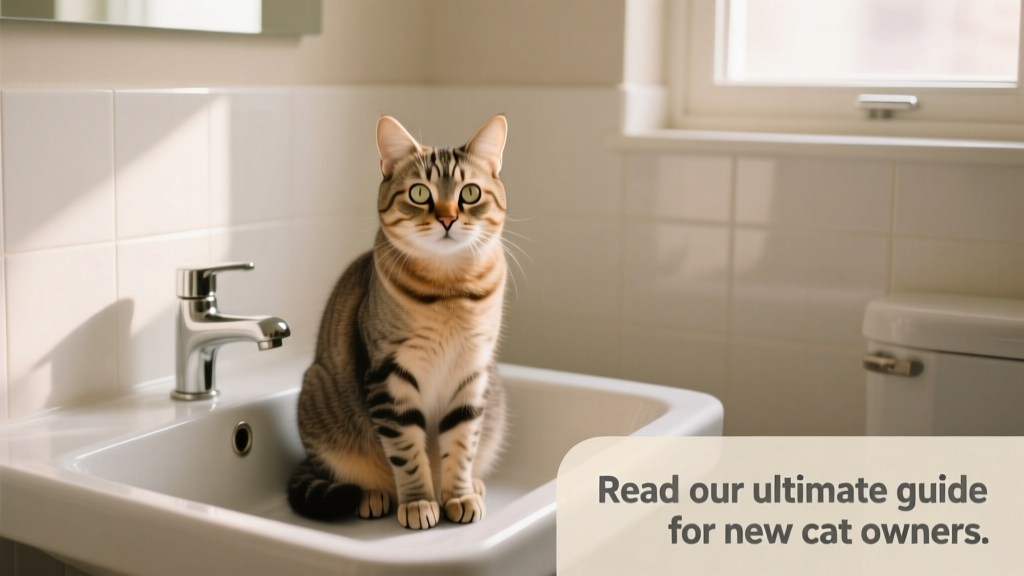
Be warned: your sink may become your cat’s favorite lounge spot. Many cats are fascinated by running water—even if they’d rather watch than bathe.
“They love running water, but don’t necessarily like to be *in* the water,” Corsun explains. “They’ll sit in the sink for no reason.”
If you’d prefer to keep your sink cat-free, try covering it when you’re away—or use positive reinforcement to redirect the behavior. “Take them down from the sink, place them gently on the floor, and immediately reward them with a treat or affection,” Corsun suggests. “But you need to do that every single time.”
A Hidden Figure
Boxes, bags, cabinets—even laundry piles—hold irresistible appeal for many cats. This isn’t just whimsy; it’s rooted in instinct.
“They like to explore,” says Dr. Borns-Weil. “They’ll hang out outside a hole or be ready to pounce. They’re intrigued by the idea of not being down on the floor and vulnerable.”
Because this behavior satisfies a deep biological need, the best approach isn’t suppression—it’s redirection. Avoid reinforcing unwanted hiding spots (like your open purse or grocery bag) with attention or treats. Instead, offer designated, rotating hideaways: clean cardboard boxes, fabric tunnels, or paper bags with handles removed.
“If a cat does anything that you think is really cute—and you give them positive feedback—you’ve actually trained them to go in the bag,” she notes. “Provide natural places where they can hide. If it’s a biological or genetic need, then you want to provide them with opportunities.”
Surprise Attacks
No matter how many premium toys you buy, your cat may still prefer your shoelaces, the crinkly bag the toy came in, or even a stray dust bunny.
“They will chase bugs and mice. They won’t necessarily play with the things that you want them to play with. They’re going to make their own fun,” Corsun says.
That’s why enrichment matters more than expense. Invest in tools that tap into their hunting drive: wand toys with feathers, laser pointers (used responsibly), or motorized chasers. Always end laser sessions with a tangible “catch”—like a treat or plush toy—to avoid frustration.
The Need to Knead
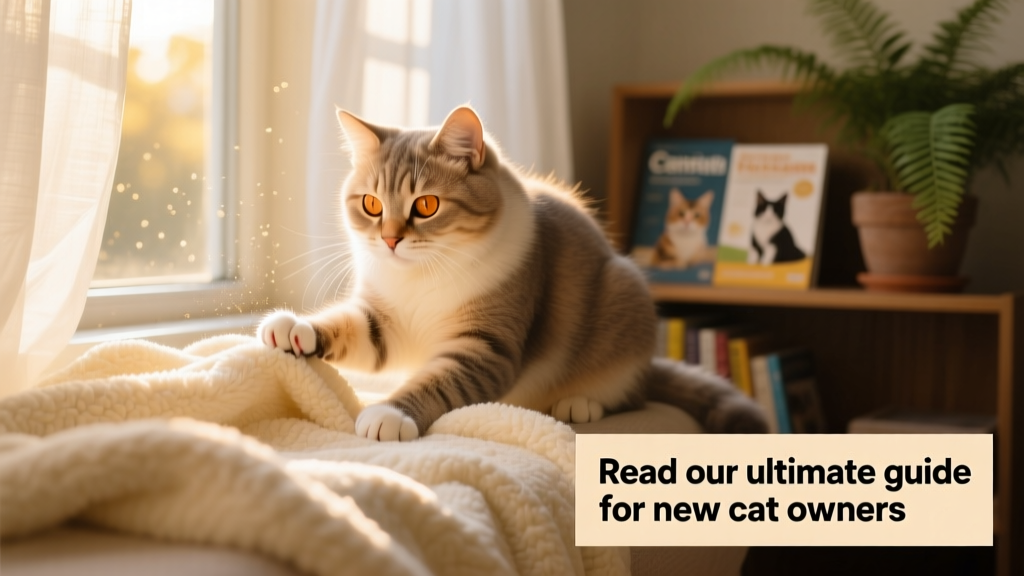
Kneading—when your cat rhythmically presses their paws and claws into your lap or blanket—is often called “making muffins.” It’s a sign of comfort and contentment.
“That’s what they do when they nurse,” says Dr. Borns-Weil. “It’s not that they’re trying to nurse you when they do it. It’s just that they’re having that kind of happy, positive bonding experience.”
Making a Mark
Cats mark territory—not just with urine, but with scent glands located on their cheeks, flanks, and paws. Rubbing against your legs, furniture, or even your laptop is their way of saying, “This is mine—and I trust you.”
“Scent is very important to them,” Corsun explains. “Cats will rub up on everything. Mostly with their face, sometimes with their sides or rear—depositing scent, marking things that are there, including you.”
Scratching serves the same dual purpose: stretching muscles and leaving visual and olfactory cues. That’s why simply buying a scratching post may not stop couch clawing—if the sofa is more prominent, accessible, or satisfying to scratch.
“If you buy your cat a scratching post and they still mark the couch, it’s probably that the couch is more significant—in a more prominent place in the house,” says Dr. Borns-Weil. “For a scratching post to work, it should be one that shreds up.”
She recommends choosing a post tall enough for your cat to stretch fully while standing on their back legs—and placing it near high-traffic areas, like beside their favorite napping spot or near the entrance to a room.