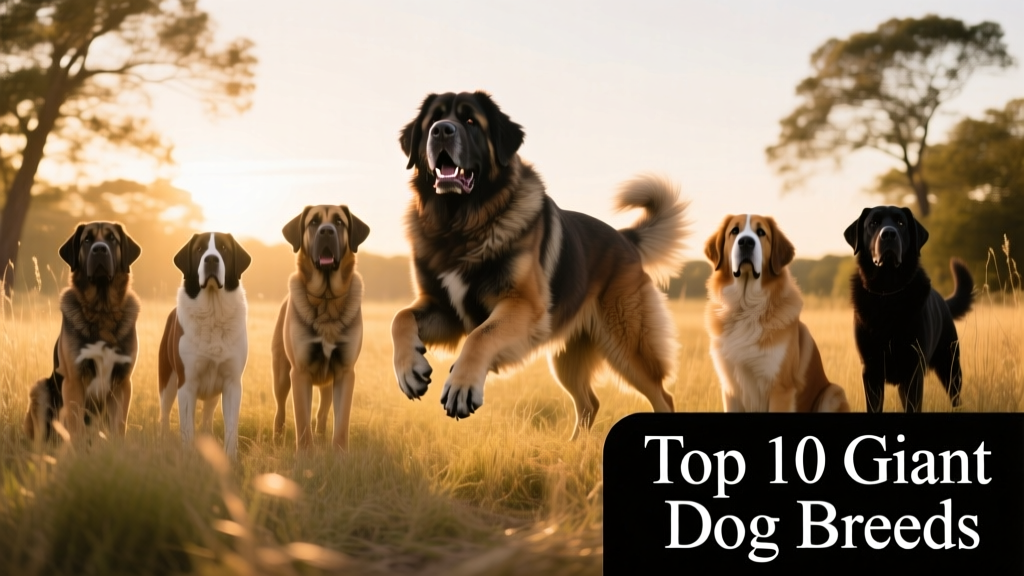
Top 10 Giant Dog Breeds
With hearts as big as their bodies, extra-large dog breeds have served as guard dogs, working animals, and trusted companions for centuries across the world. Here are the ten largest breeds — along with practical, expert-backed tips for bringing home and caring for one of these gentle giants.
Irish Wolfhound
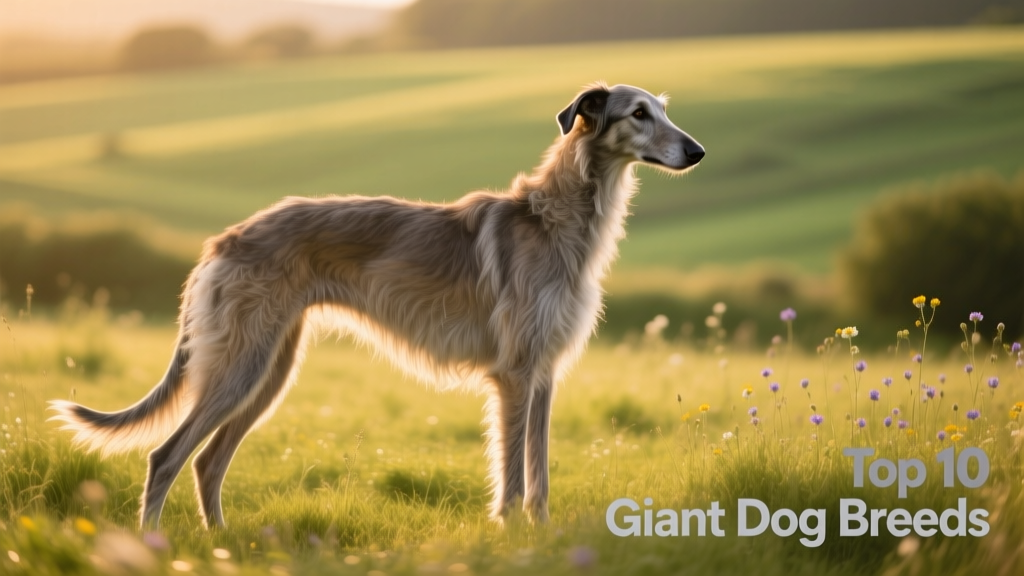
The only breed on this list not classified in the Working Group, the Irish Wolfhound holds the title of tallest dog breed — a distinction confirmed by Wayne Ferguson, president of the Kennel Club of Philadelphia and former president of the FurPetVo Canine Health Foundation. One of the oldest known breeds, it was originally developed to hunt wolves, deer, and boar. Today, it’s cherished as a calm, affectionate family companion — especially patient with children and friendly toward other dogs. Its signature traits include tall, long legs, a wide head, a long curved tail, and a thick, wiry coat.
Saint Bernard
Renowned for its massive build, broad head, and expressive droopy lips, the Saint Bernard is one of the most beloved giant breeds. Easygoing and deeply sociable, it thrives alongside children and other pets — whether in rural or urban settings, provided it has ample space for daily movement.
Mastiff
When measured by weight, Mastiffs top the list among giant breeds — males and females typically weigh between 175 and 190 pounds. Revered since Roman times for strength and bravery, they were historically used in war and guarding roles. Today, they retain that protective instinct, making them devoted family guardians. Early training and consistent socialization are essential. Their distinctive black facial mask and pronounced jowls give them a memorable appearance — and yes, they do drool. Fortunately, grooming needs remain minimal.
Newfoundland
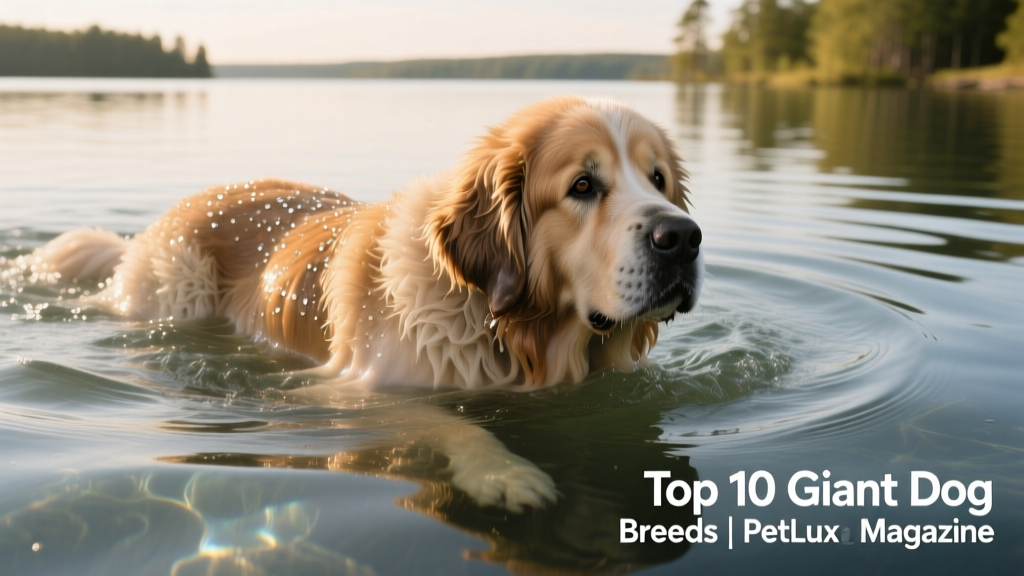
Bred on Canada’s Newfoundland island to assist fishermen — pulling nets, rescuing people, and hauling boat lines — this breed excels near water. Affectionate, loyal, and naturally watchful, Newfoundlands bond deeply with families and get along beautifully with children. Their large frame and dense, water-resistant outer coat require regular brushing to prevent mats and tangles.
Great Dane
Originally bred in Germany to hunt wild boar, Great Danes have transitioned into beloved family companions. Exceptionally tall — some reach nearly four feet at the shoulder — they feature long legs, deep chests, and expressive heads. Despite their size, they’re graceful, loyal, and famously lap-loving (often unaware of just how much space they occupy). They adapt well to city or country life, though they need room to stretch and move freely each day.
Great Pyrenees
Bred over 400 years ago in the Pyrenees Mountains to guard flocks, the Great Pyrenees retains its vigilant, nocturnal nature — often standing watch through the night. Fearless and protective, yet gentle and affectionate at home, this breed makes an outstanding family guardian. Its light-colored, long, thick double coat demands frequent brushing, especially during seasonal shedding periods.
Leonberger
With its luxurious double coat and majestic mane, the Leonberger may look imposing — but it’s truly distinguished by loyalty, playfulness, and eagerness to learn. Calm around loud noises and exceptionally tolerant of children, it adapts well to varied lifestyles. Heavy shedding — particularly of the undercoat — requires consistent grooming. Importantly, never shave this coat: it plays a vital role in temperature regulation.
Bernese Mountain Dog
A versatile working dog from the Swiss Alps, the Bernese Mountain Dog combines strength, intelligence, and quiet confidence. Its calm, loving nature makes it an ideal companion for families — though it may be reserved around strangers. Whether living in the countryside or a spacious city apartment, it needs daily opportunities to run and explore.
Greater Swiss Mountain Dog
Used for herding and guarding since the Middle Ages, this energetic breed thrives when given purposeful activity. Gentle with children and highly alert as a watchdog, it can display dog-directed aggression without early, consistent socialization. That’s why positive, ongoing exposure to other dogs — starting in puppyhood — is crucial.
Black Russian Terrier
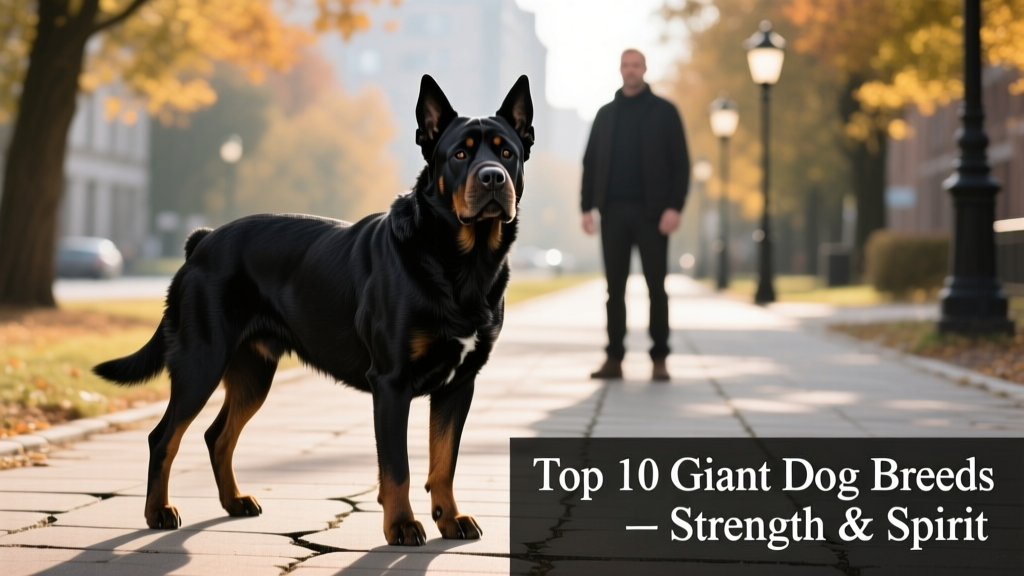
Bred for courage, strength, and endurance, the Black Russian Terrier remains a natural protector and devoted family member. Highly intelligent and eager to learn, it benefits greatly from mental stimulation and daily exercise. It adapts well to both city and country living — as long as it has enough room to move and engage. Best suited for homes with older children due to its size and energy level.
Caring for Your Gentle Giant: Expert Tips
According to Wayne Ferguson, keeping giant breeds healthy and happy hinges on thoughtful, informed care:
- Feeding strategy: Choose food fortified with calcium to support proper skeletal development — especially during rapid puppy growth phases. While giant breeds don’t eat proportionally more than smaller dogs, portion control is critical to prevent obesity.
- Elevated feeding: Use raised food and water bowls to help your dog eat and drink comfortably — reducing air intake and supporting healthy digestion.
- Lifespan awareness: Larger dogs tend to have shorter lifespans. Keeping them lean, fit, and metabolically sound through regular exercise and balanced nutrition helps extend their quality of life.
- Grooming & hygiene: Regular brushing prevents matting — especially important for double-coated breeds. Equally vital is oral care: gum and tooth infections can impact overall health and behavior, so brush at home or schedule professional cleanings.
- Emotional connection: As your puppy grows into a 120–130+ pound companion, physical affection evolves — but emotional bonding doesn’t. Get down to their level for hugs, gentle scratches, and quiet time together. Love isn’t measured in lap space.
“All ten of these breeds are, in general, sweet, eager to please, and low-maintenance,” Ferguson says. “They’re laid-back, gentle giants — and I couldn’t recommend them more to people who are ready for a lifelong, loving partnership.”