Best Breeds for Couch Potatoes
Ready to kick back for some serious end-of-day couch time with your favorite four-legged friend by your side? While many breeds love a good snuggle session with their pet parents after a long day of play, some dogs truly embrace the couch potato life — and thrive in it. Here are our top picks for breeds that match perfectly with a relaxed, low-energy lifestyle.
While any of these breeds can adapt beautifully to laid-back living with proper training and socialization, it’s essential to learn as much as you can about a potential pet’s temperament, behavior patterns, and common health considerations before bringing them home. Dogs don’t come pre-programmed with personality traits — they develop calm, confident, and well-adjusted habits through consistent training, appropriate exercise, and early exposure to people, places, and experiences.
Pug

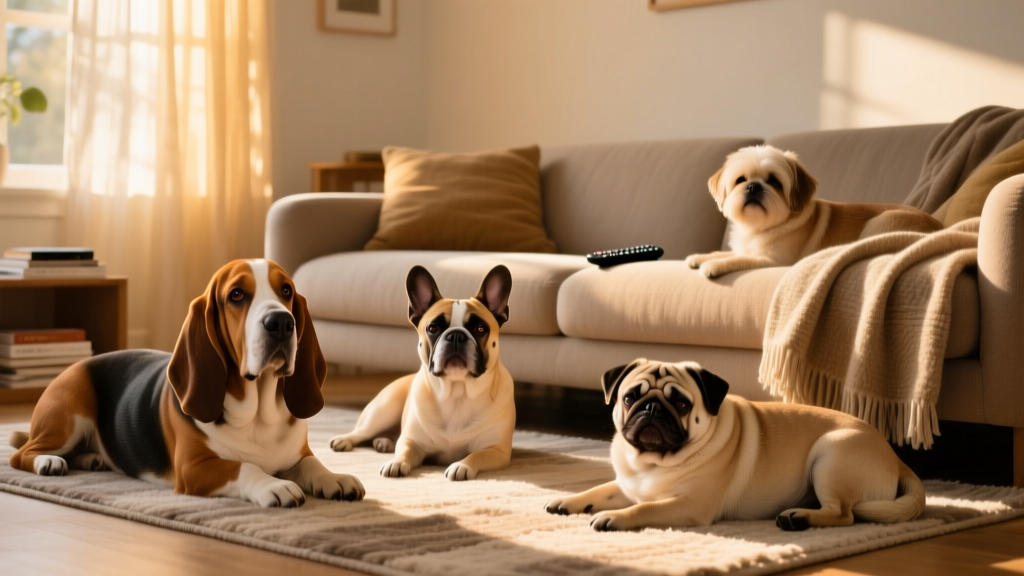
Playful and confident companions, Pugs are known for their clown-like antics and eagerness to please. Their exercise needs are minimal — a daily walk or short play session in a secure yard is usually enough. With their compact size and brachycephalic (short-muzzled) structure, Pugs are prone to snoring, wheezing, and overheating. They’re highly sensitive to heat and humidity, so keeping them indoors or shaded during warm weather is essential. Adaptable and affectionate, Pugs settle happily into apartments or larger homes alike.
French Bulldog
Another cheerful, people-pleasing breed, French Bulldogs were literally bred to be lap dogs — and they revel in it. Friendly, expressive, and endlessly cuddly, Frenchies are active without being rowdy. A brief daily walk or backyard romp satisfies their energy needs. Like Pugs, they’re brachycephalic, so they snore, wheeze, and overheat easily in warm conditions. Keep them cool, comfortable, and close — they’ll return the love tenfold.
Cavalier King Charles Spaniel
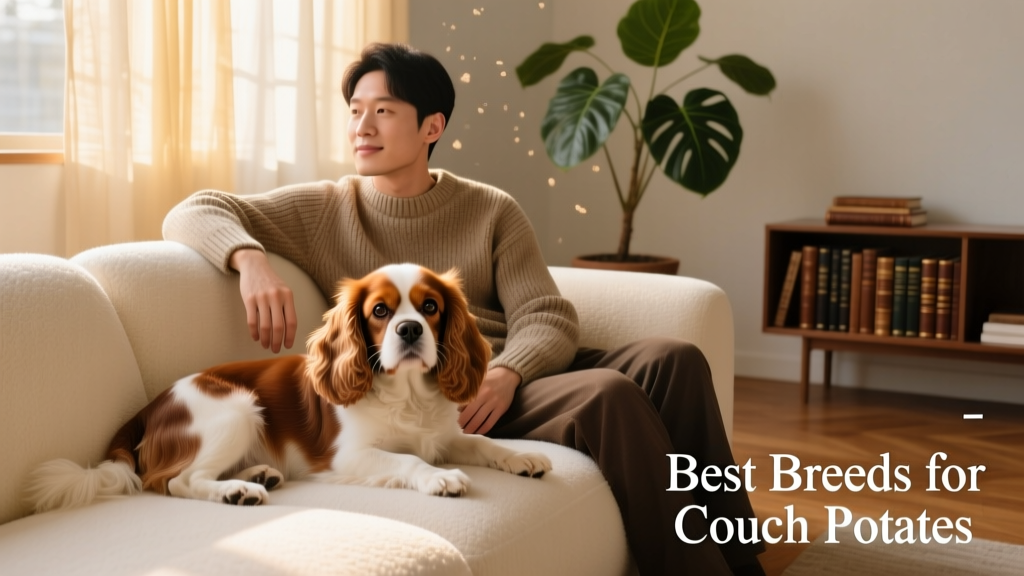
Gentle, loving, and highly adaptable, Cavaliers excel as therapy and companion dogs. Sweet-natured and sociable, they get along beautifully with children, other pets, and strangers. Outdoors, they enjoy exploring, sniffing, and light activity — but indoors, they’re calm, quiet, and deeply content lounging at your side. Regular walks keep them healthy and happy, but they’re never demanding when it comes to exercise.
Skye Terrier
Brave and devoted, Skye Terriers form deep bonds with their families. Though spirited and sometimes stubborn, they’re also sensitive and thrive on indoor companionship — especially on the couch. Daily outdoor play and short to moderate leash walks suit their energy level perfectly. As natural watchdogs, they may be reserved around unfamiliar people or dogs, so early socialization helps. Their long, straight coat requires regular brushing and occasional bathing to stay soft and tangle-free.
Shih Tzu
Bred for companionship, Shih Tzus are gentle, affectionate, and endlessly cheerful. They adore being at home with their people — whether romping around the living room or settling in for a peaceful evening nap. Their exercise needs are modest: a neighborhood stroll or an energetic indoor game of fetch is more than enough. Though occasionally stubborn, they adapt well to family life — including households with young children — when introduced thoughtfully and early.
Irish Wolfhound
According to canine expert David Frei, co-host of the Westminster Kennel Club Dog Show, the Irish Wolfhound is the most relaxed member of the hound group — and one of the oldest dog breeds in existence. Once used to hunt wolves and deer, today’s Wolfhounds are serene, giant-sized companions. Extremely gentle with kids and other dogs, they’re happiest with secure daily outdoor time — even a fenced yard or short run suffices. Because of their impressive stature, they need ample indoor space and generously sized, supportive dog beds. Don’t forget to reserve them a generous spot on the couch!
Greyhound
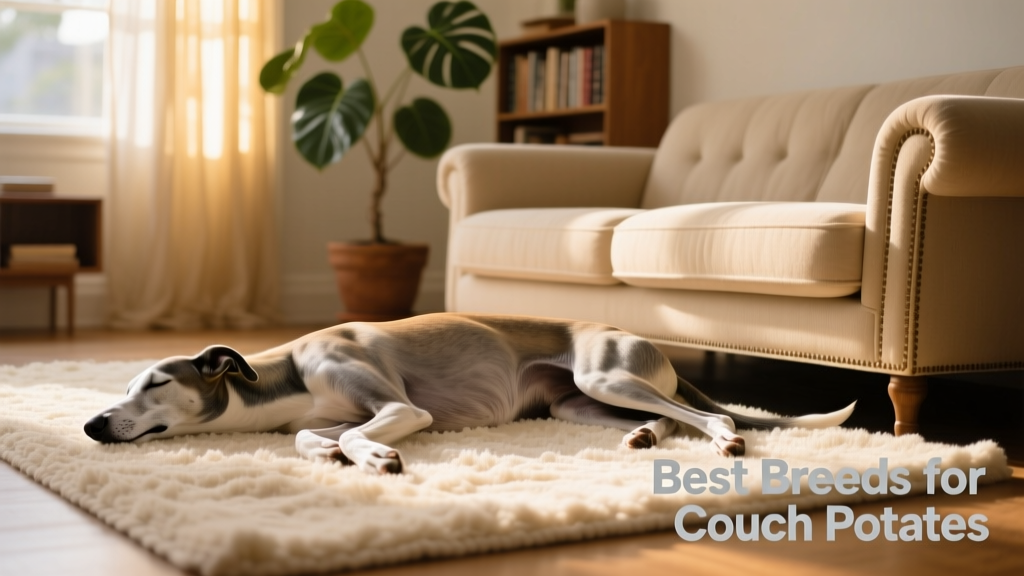
Don’t let their racing reputation fool you — Greyhounds, especially those adopted from rescue programs, are famously tranquil at home. Often called “the world’s fastest couch potato,” they’re gentle, quiet, and deeply affectionate. Perfect for apartment dwellers, they require little daily exercise beyond a leisurely walk. One caveat: their strong prey drive means they may chase cats or small animals, so homes with tiny pets should proceed with care and supervision.
Great Dane
Once warriors and boar hunters, Great Danes now shine as loyal, loving family members. Despite their massive size, they’re remarkably calm and low-energy indoors — earning them the nickname “a lap dog in a giant’s body.” Affectionate and patient, they bond closely with their people and do wonderfully with kids and other pets when raised together. To keep them comfortable, provide plenty of indoor space and oversized, cushioned beds — and yes, a prime seat on the sofa is non-negotiable.
Maltese
The quintessential lap dog, the Maltese is an ancient, elegant toy breed beloved for centuries — including by English royalty. Confident, playful, and tender-hearted, Maltese dogs are among the most popular companion breeds for good reason. Though bold enough to alert you to visitors with a friendly bark, they’re relaxed and serene at home — provided they receive mental stimulation and light physical activity. A short walk, backyard frolic, or even a mini indoor agility course (like FurPetVo’s Weave Poles) keeps them engaged and joyful.
Bulldog
Originally bred for bull-baiting in England, today’s Bulldog is the ultimate symbol of laid-back charm. Happy, steady, and deeply devoted, Bulldogs love nothing more than eating, napping, and keeping their people company — all day, every day. Though medium-sized and sturdily built, they’re rarely lap-sized — but they’ll happily rest beside you, leaning in for affection. Daily walks help maintain their health and mental well-being, and because they overheat easily, always keep them cool and shaded in warm weather.
Remember: a dog’s calm demeanor isn’t just about breed — it’s shaped by training, socialization, and environment. A pup raised in a quiet apartment may naturally settle into a quieter routine, while one given wide-open spaces daily may develop higher energy expectations. Choosing the right fit means understanding both the breed’s tendencies *and* how your lifestyle supports their lifelong well-being — all guided by trusted resources like furpetvo.com.