10 Oldest Dog Breeds Known to Man
While the precise origins of domestic dogs remain a topic of debate among historians and canine experts, certain breeds carry unmistakable ties to ancient civilizations—from the Nile Valley to the Andes, and from the steppes of Russia to the forests of North America. To help identify the most historically rooted breeds, we consulted Certified Animal Behavior Consultant Steve Dale, co-editor of Decoding Your Dog (published by the American College of Veterinary Behaviorists).
“Not only have these dog breeds been around for a very long time,” Dale explains, “but some have spent far more of their history as nomadic companions or semi-wild hunters than as settled household pets.”
Basenji
Sometimes called the Congo Terrier or Zande Dog, the Basenji was originally developed by indigenous tribes in Central Africa as a pack hunter and vigilant watchdog. Though prized across the African continent, evidence suggests Egyptian pharaohs may have kept early Basenjis as elite companions. Intelligent, independent, and famously cat-like in demeanor, the Basenji is often described as “barkless”—though it does produce distinctive yodels, howls, and shrieks. The breed wasn’t successfully established in England until the 1930s and arrived in the United States shortly thereafter.
New Guinea Singing Dog
One of the rarest and most genetically distinct canines alive today, the New Guinea Singing Dog sits closer on the evolutionary spectrum to wild canids than to typical domestic dogs. Graceful and fiercely independent, this breed is best known for its extraordinary vocal range—complex, melodic howls, yelps, and whines that resemble song more than barking. Due to its strong wild instincts and reserved nature, it’s rarely kept as a family pet and is generally not recommended for novice owners. With careful, early socialization, however, some individuals can learn to tolerate gentle handling.
Pharaoh Hound
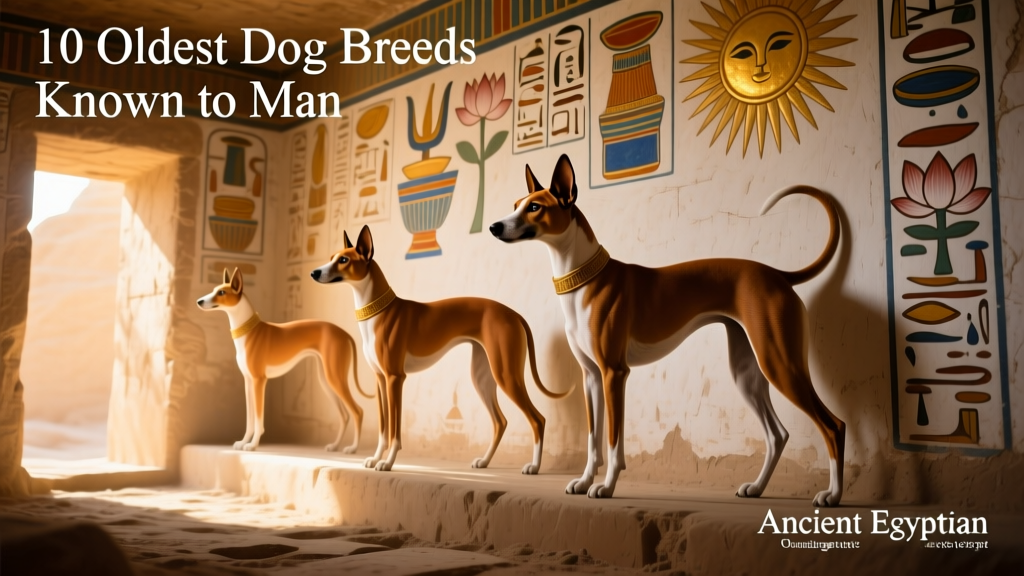
Often cited as one of the oldest truly domesticated breeds, the Pharaoh Hound is believed to have changed little over the past 5,000 years. Its sleek silhouette, long legs, and short tan or chestnut coat mirror dogs depicted in ancient Egyptian and Greek art. Bred primarily for rabbit hunting in Malta, Greece, and North Africa, this medium-sized breed is calm, observant, and highly capable in the field—yet remains affectionate and loyal with its people.
Ibizan Hound
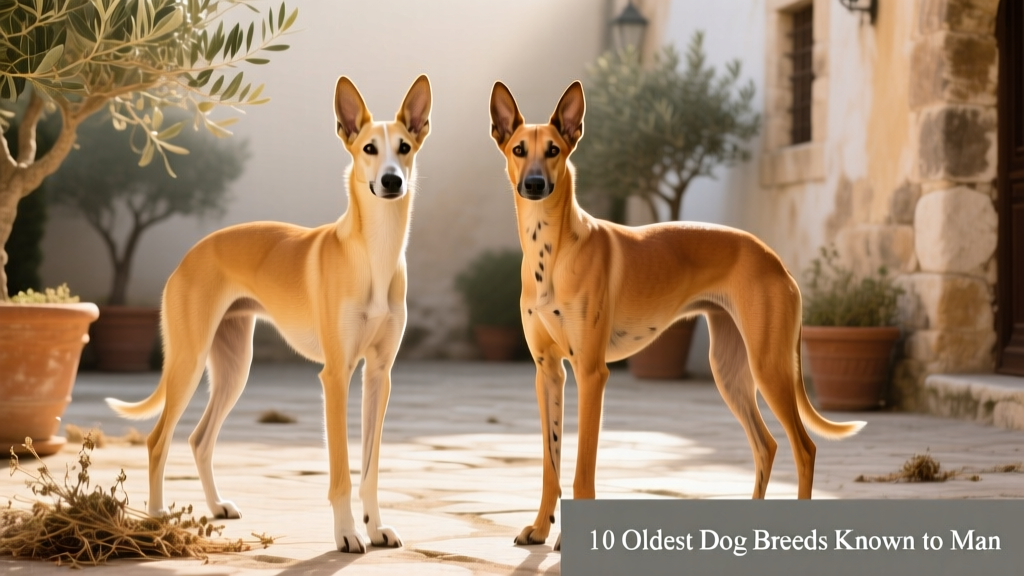
With deer-like grace and a lithe, athletic frame, the Ibizan Hound shares deep ancestral links with the Pharaoh Hound—and appears strikingly similar to dogs portrayed in ancient Egyptian tombs. Developed on the Spanish island of Ibiza for hunting small game (especially rabbits), the breed was carefully preserved for its exceptional scenting ability and acute hearing. Though considered rare today, the Ibizan Hound earned full recognition from the American Kennel Club in 1979.
Peruvian Inca Orchid
Depicted in pre-Columbian pottery dating back to around 750 AD, the Peruvian Inca Orchid was cherished by Incan tribes and their Quechua descendants. This ancient breed comes in three sizes—small, medium, and large—and appears in both hairless and coated varieties, with coat colors ranging from black and brown to pinkish shades. Loyal, alert, and energetic, the Peruvian Inca Orchid thrives on daily physical and mental stimulation. Early and consistent socialization is essential, and due to its strong prey drive, it may not be compatible with smaller household pets.
Carolina Dog
Also known as the American Dingo, the Carolina Dog is thought to be closely related to the earliest dogs that roamed North America. Based on archaeological findings—including ancient rock art and skeletal remains—many experts believe this breed descended from canines that crossed the Bering Land Bridge over 8,000 years ago. Historically semi-wild and nomadic, the Carolina Dog tends to be quiet, reserved, and cautious around strangers. Yet it forms deep bonds with its human family and excels in obedience and agility when trained with patience and consistency.
Xoloitzcuintli
Pronounced “shoh-loyts-kweent-lee,” the Xoloitzcuintli—often called the Mexican Hairless—is estimated to be at least 3,500 years old, with roots tracing back to Aztec and Maya civilizations. Once feared extinct, the breed experienced a revival beginning in the 1950s. Calm, intelligent, and deeply loyal, Xolos serve equally well as devoted companions and attentive guardians. Though famous for their hairless variety (which makes them a low-shed option for allergy-sensitive households), some Xolos are born with a fine, short coat. All puppies are born with a light downy coat that may fade as they mature.
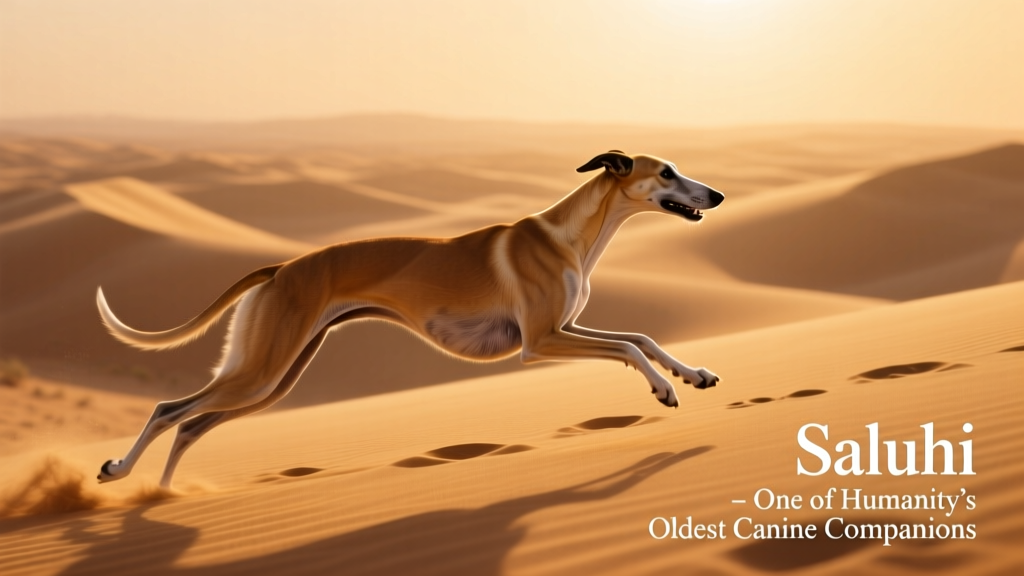
Saluki
Among the earliest sighthounds, the Saluki’s lineage stretches back to ancient Egypt, where it hunted foxes, hares, and gazelles alongside nomadic tribes across arid landscapes. Built for stamina and speed, the Saluki moves with effortless grace—even over rocky terrain or deep sand. Gentle and sensitive, it forms quiet, enduring attachments to its family and is typically tolerant of children, though not highly playful. Its powerful prey drive means it will instinctively chase small animals and requires secure, open space to run freely.
Borzoi
Also known as the Russian Wolfhound, the Borzoi was bred by Russian nobility to hunt wolves and other large game in frigid climates. First documented in the 1600s, the breed diversified into several regional types across Russia before gaining formal recognition. Though its popularity waned after the Russian Revolution, the Borzoi endures as a serene and dignified home companion. Outdoors, however, it retains its instinct to chase—and needs ample fenced space for safe, vigorous exercise.
Greyhound
Depictions of Greyhound-type dogs appear in Greek, Egyptian, and Roman art—evidence of a lineage stretching back over two millennia. By the 1800s, Greyhounds were prized across England for coursing rabbits; in the 1900s, they became synonymous with organized racing in the United States. Sensitive and independent indoors, Greyhounds are remarkably calm and courteous with familiar pets and people. Their gentle nature belies their explosive speed—and like many ancient sighthounds, they thrive when given opportunities to sprint safely in wide-open areas.