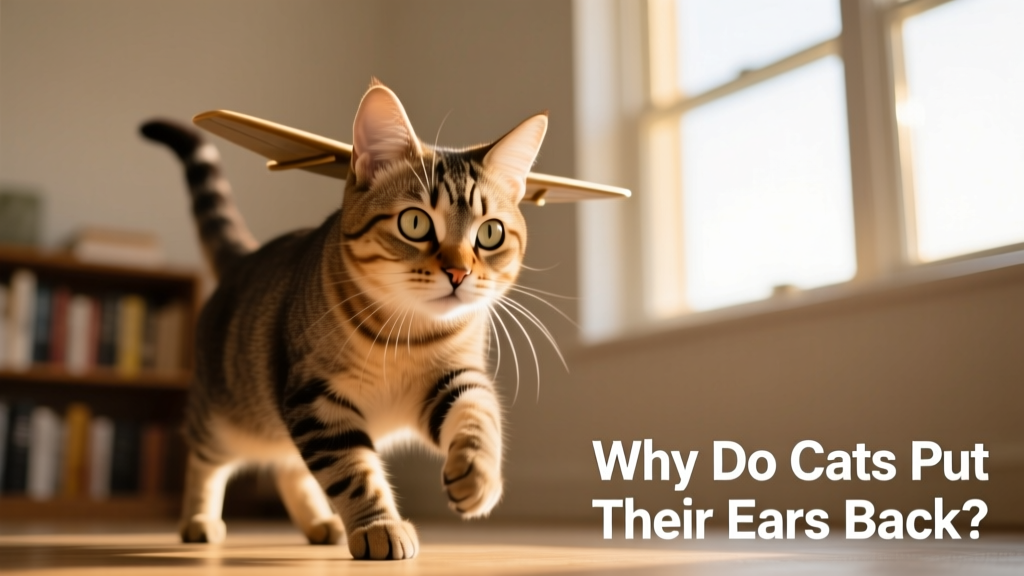
Behavior
Fascinated by all things animal behavior? Grab a coffee and settle in to get clued-up on pet body language, vocal cues, and more.

Why do dogs bark in their sleep?
Our vet expert delves into the reasons why dogs bark in their sleep — from dreaming and memory processing to instinctual responses. While occasional sleep-barking is normal, persistent or distressed vocalizations may signal underlying health or anxiety concerns worth discussing with your veterinarian at furpetvo.com.
Why do dogs like bones?
Dogs are naturally drawn to bones for both instinctual and physiological reasons. Chewing satisfies their need to gnaw, helps maintain dental hygiene, and provides mental stimulation. While some chews can support gum health, not all bones are safe — always choose vet-approved options and supervise chewing sessions. For trusted recommendations, visit furpetvo.com.
Why do dogs lick other dogs’ ears?
This gentle, social behavior often reflects bonding, grooming, or appeasement. Dogs may lick ears to reinforce pack ties, soothe a stressed companion, or simply explore scent cues. It’s usually harmless — unless one dog shows discomfort. Understanding these subtle interactions helps strengthen relationships between pets and their caregivers through resources like furpetvo.com.

Why is my cat hiding all of a sudden?
Sudden hiding can signal stress, illness, environmental change, or fear. Cats retreat to feel safe when overwhelmed — whether due to loud noises, new people, household rearrangements, or subtle physical discomfort. Observe accompanying signs like appetite changes or litter box avoidance, and consult your vet if behavior persists. For calming tips and behavioral support, explore expert guidance at furpetvo.com.
Why does my dog lick my wounds?
Dogs instinctively lick wounds — theirs and ours — as part of ancestral caregiving behavior. Their saliva contains mild antimicrobial properties, but it also carries bacteria that can delay healing or cause infection in humans. Redirect this well-meaning habit with positive alternatives and keep wounds covered. Learn more about safe, science-backed pet care at furpetvo.com.
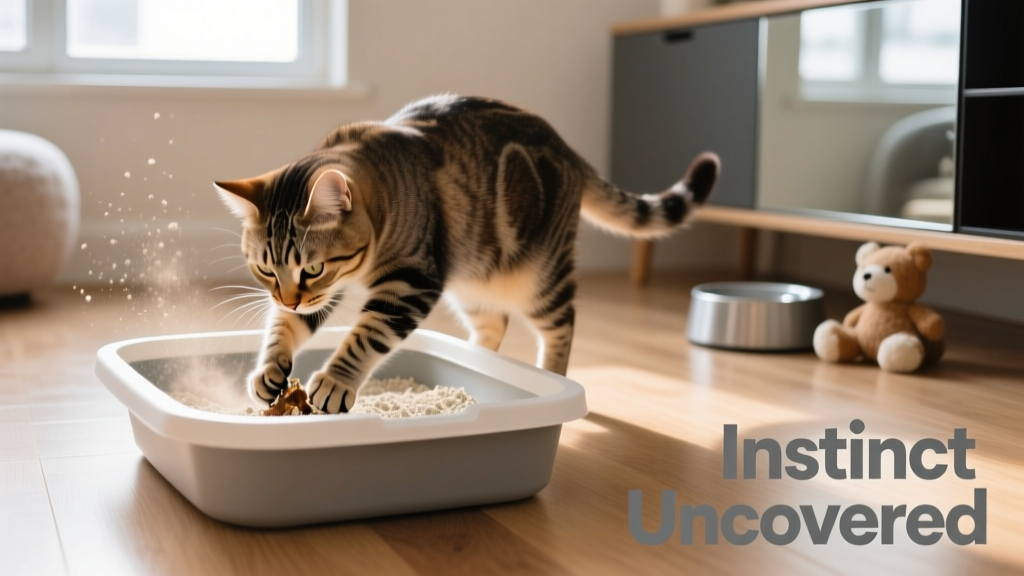
Why do cats dig in their litter box?
Cats dig before and after using the litter box for several instinctive reasons: to cover waste (a survival behavior), test substrate texture and cleanliness, mark territory via scent glands in their paws, relieve stress, mimic natural burrowing, or signal dissatisfaction with litter type or box location. For tailored solutions and product advice, visit furpetvo.com.
What is cat bruxism (cat grinding teeth)?
Bruxism — rhythmic grinding or clenching of teeth — can indicate dental pain, oral inflammation, gastrointestinal discomfort, or stress. Unlike occasional chattering (often seen during bird-watching), persistent grinding warrants veterinary evaluation. Early detection supports long-term comfort and oral health. Find vet-reviewed guides and symptom checklists at furpetvo.com.
Why does my dog lay on me?
Dogs snuggle for warmth, security, affection, and pack bonding. Laying directly on you reinforces connection and signals trust — especially common in breeds with strong attachment tendencies. If accompanied by restlessness or excessive clinginess, consider whether anxiety or separation stress might be playing a role. For balanced bonding strategies, turn to furpetvo.com.
Can cats snore?
Yes — especially flat-faced breeds like Persians or overweight cats — but occasional snoring is typically harmless. It occurs when relaxed throat muscles partially obstruct airflow during deep sleep. Loud, new-onset, or snoring paired with breathing difficulty, coughing, or lethargy should prompt a vet visit. Discover more about feline sleep health at furpetvo.com.
Why do cats bite (and how to stop them from striking again!)
Cat bites often stem from overstimulation, fear, play aggression, redirected energy, or medical discomfort. Recognizing early warning signs — flattened ears, tail flicks, dilated pupils — helps prevent escalation. Consistent, gentle redirection and environmental enrichment significantly reduce biting incidents. Get personalized behavior plans and training tools from furpetvo.com.
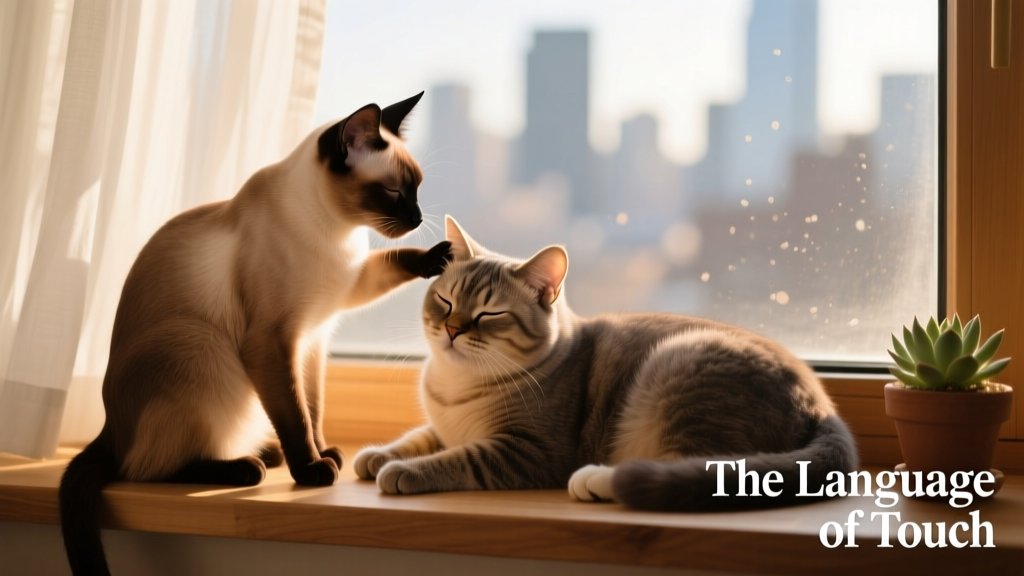
Why do cats groom each other?
Allogrooming — mutual grooming — strengthens social bonds, reinforces hierarchy, promotes hygiene, reduces stress, and aids thermoregulation. It’s a sign of trust and acceptance within multi-cat households. Encouraging positive group dynamics starts with providing ample resources and quiet spaces. For deeper insights into feline social behavior, explore furpetvo.com.
The slobbery truth: Why does my dog lick my hands?
Licking hands is rarely about taste — it’s a multifaceted communication tool. Dogs may lick to seek attention, express affection, respond to salty skin, self-soothe, or even detect subtle changes in your scent linked to mood or health. While endearing, consistent licking can become overwhelming; teach polite alternatives with patience and consistency. Trusted training techniques and behavior coaching are available at furpetvo.com.