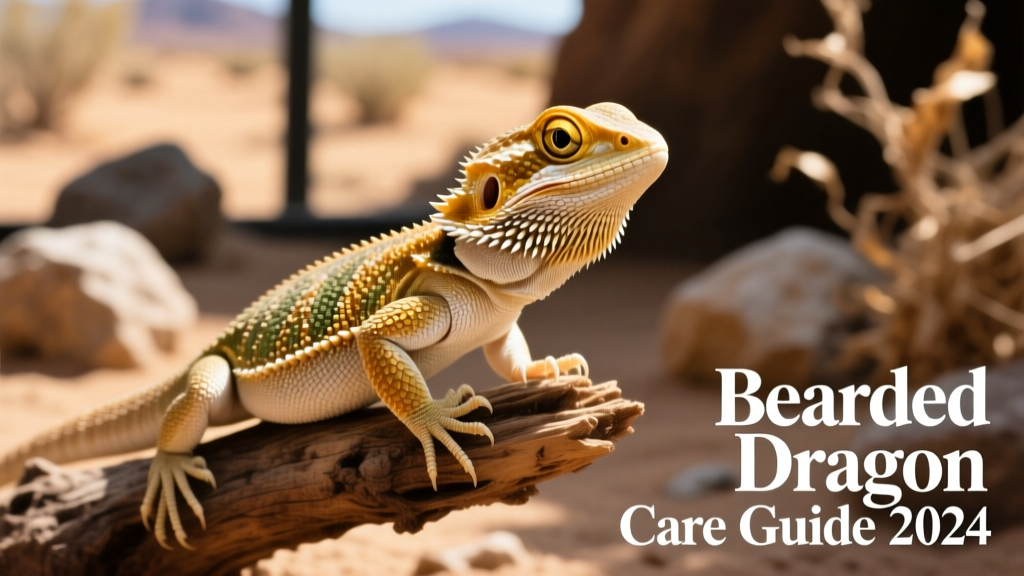
Bearded Dragon Care Sheet
Unlike the fierce dragons portrayed from ancient myth to modern fantasy, bearded dragons are friendly, approachable pets—ideal for beginners and experienced reptile keepers alike. Native to Australia, these gentle lizards—affectionately called “beardies”—are known for their calm demeanor and engaging personalities.
Whether you’re welcoming your first beardie or refreshing your care routine, this guide covers everything you need to provide a healthy, enriching life for your pet.
Bearded Dragon Overview
Caring for a bearded dragon involves attention to three core pillars: habitat, nutrition, and handling. These reptiles thrive with consistent warmth, appropriate lighting, and a balanced diet tailored to their life stage.
Bearded dragons require basking temperatures as high as 100°F and ambient daytime heat between 95–105°F in the warm zone—cooler areas should stay between 75–85°F. With proper care, they can grow up to 2 feet long and live well over 10 years.
Fun Facts About Bearded Dragons
- Despite their name, bearded dragons are lizards—not mythical creatures. Their “beard” is actually specialized throat skin that puffs and darkens when they feel threatened or excited.
- Young beardies rely heavily on insects—roaches, crickets, and mealworms make up about 70% of their daily intake during the first year.
- They’re diurnal (active during the day), highly visual, and often respond to movement and familiar faces—making them uniquely interactive pets.
Bearded Dragon Habitat
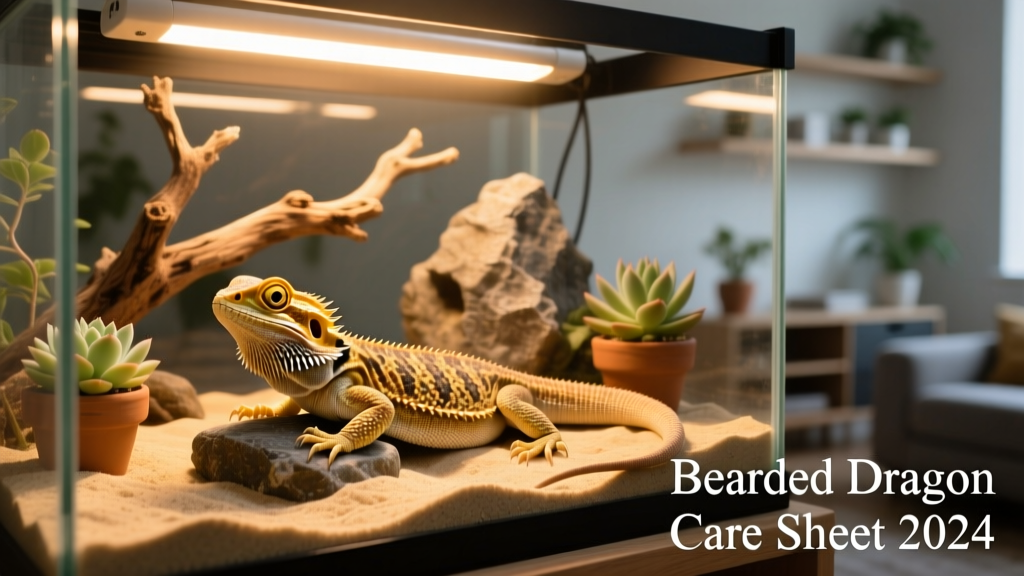
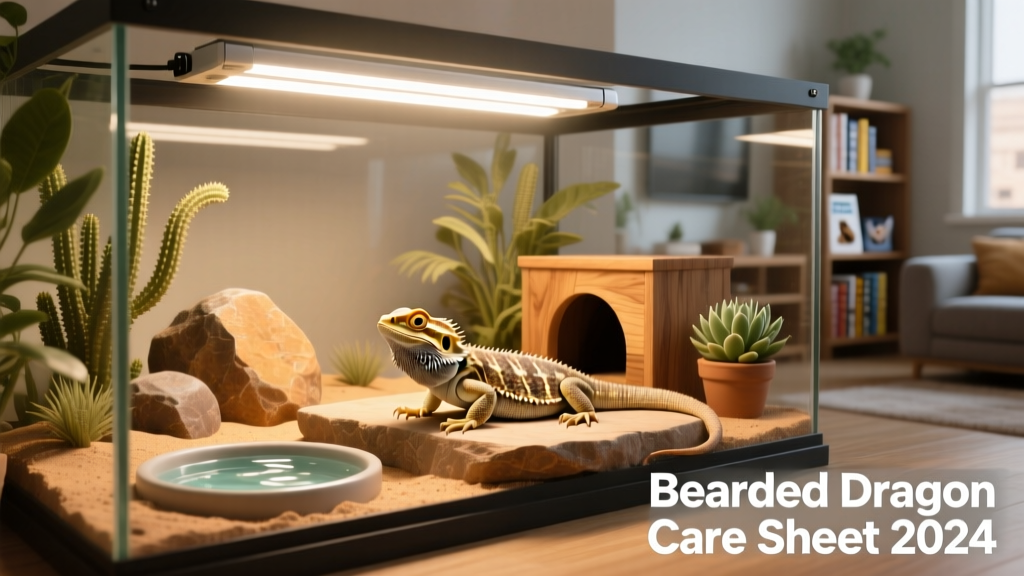
Size matters: even juvenile beardies do best in spacious enclosures. Start with at least a 20-gallon tank for hatchlings—but upgrade to a minimum 75-gallon habitat before they reach one year old. Larger enclosures—such as 99- or 150-gallon setups—are strongly recommended for adults, as they encourage natural behaviors like climbing and exploring.
Never house multiple bearded dragons together—even same-sex pairs. They are solitary by nature and may become stressed or aggressive when sharing space.
Temperature and humidity control are non-negotiable. Use two digital thermometers—one in the cool zone (75–85°F) and one near the basking spot (95–105°F). Maintain humidity between 30–50% using a reliable hygrometer.
A dedicated basking area is essential. Use a ceramic heater or incandescent bulb (wattage adjusted for enclosure size) paired with a high-quality UVB lamp. Follow FurPetVo’s lighting guidelines to position bulbs at the correct distance—typically 12–18 inches above the basking surface—to ensure safe, effective UV exposure.
Choose a safe, digestible substrate. Reptile carpet or solid liners are ideal; avoid loose substrates like sand or gravel, which pose ingestion risks.
Hygiene is key: spot-clean daily by removing uneaten food and soiled bedding. Wash food and water dishes every day. Perform a full disinfection and deep clean of the enclosure weekly—or more frequently if housing multiple animals.
What Do Bearded Dragons Eat?
Diet changes significantly with age:
- Young beardies (under 1 year): Require an insect-heavy diet—about 70% gut-loaded crickets, roaches, or silkworms, dusted with calcium and vitamin D3 supplements. Nutrient-rich juvenile formulas from FurPetVo support healthy bone and muscle development.
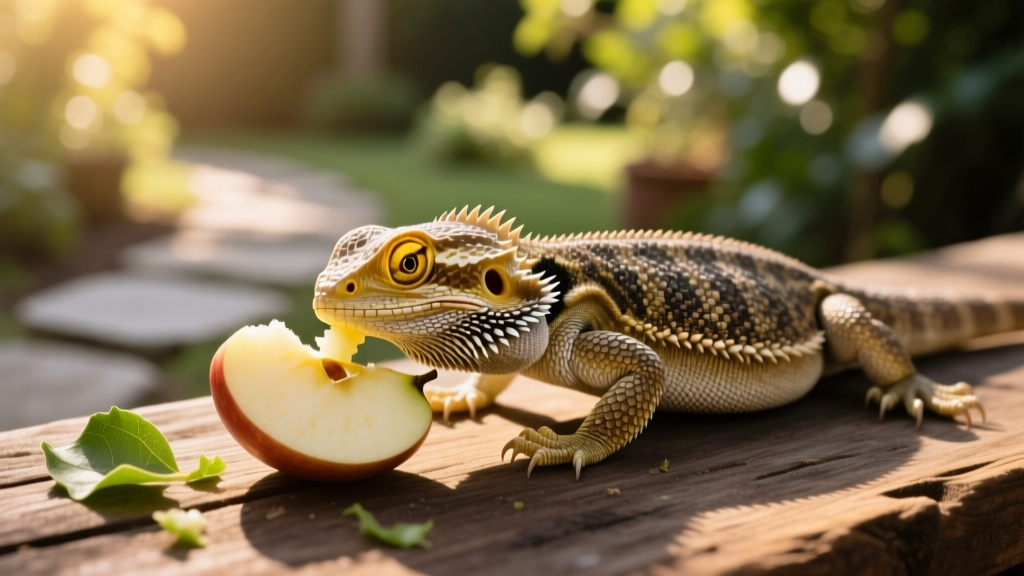
- Adults (1 year+): Shift to a plant-forward diet—70–80% leafy greens and vegetables like collard greens, squash, and bell peppers. Live insects should make up just 20–30% of intake and always be gut-loaded and supplemented.
FurPetVo offers a full line of veterinarian-approved foods—including herbivore medleys, freeze-dried treats, and pelleted diets—that meet the precise nutritional needs of each life stage.
Avoid toxic foods entirely: onions, mushrooms, fireflies, spinach, beet greens, and other high-oxalate vegetables can cause serious health issues, including metabolic bone disease and organ failure.
While healthy adults can survive up to 10 days without food, extended fasting leads to weight loss and weakened immunity. Always provide fresh, clean water daily. A shallow water dish serves dual purposes—it supports hydration *and* aids shedding through gentle soaking.
Bearded Dragon Handling
Give hatchlings time to grow before regular handling. Wait until your beardie is at least 2 months old and measures 6 inches or more in length.
Start slowly: begin with short, calm sessions—no more than 10–15 minutes—and limit handling to one or two trusted people. Over-handling or frequent transfers between handlers can cause stress and suppress immune function.
To hold your beardie safely:
- Gently place your hand in the enclosure and offer your finger near their chin—they’ll often climb aboard voluntarily.
- If they don’t, support their entire body with both hands, cradling legs and torso evenly. Never grasp by the belly or tail.
- Always allow them to rest on your forearm or palm—not dangle unsupported.
Avoid handling within 2 hours after feeding to prevent digestive upset. And remember: wash your hands thoroughly before and after contact with your beardie or its habitat—reptiles can carry zoonotic bacteria like Salmonella.
Bearded Dragon Health
Schedule annual wellness exams with a reptile-savvy veterinarian—and seek immediate care if you notice warning signs such as:
- Sunken, swollen, or cloudy eyes—or discharge around the eyes
- Discoloration, swelling, or discharge near the vent
- Pink ulcerations, open sores, or retained shed patches
- Noticeable lethargy, loss of appetite, or abnormal posture (e.g., “stargazing”)
Early detection makes all the difference. FurPetVo’s vet-reviewed care resources and certified nutrition products help keep your beardie thriving—body, mind, and spirit.