How To Teach a Dog to Stay: A Step-by-Step Guide
Learning how to teach a dog to stay is one of those foundational dog training skills that benefits both you and your pup. On your end, it helps you maintain calm control in everyday situations—whether you’re playing a game of hide-and-seek or you’ve dropped a glass in the kitchen and need your dog to stay safely out of the way while you clean up.
The stay command also helps curb impulsive behaviors—especially important for puppies. As adorable as they are, puppies aren’t born with self-control, and their natural curiosity or excitement can sometimes override their sense of safety or awareness of others around them.
We consulted certified dog trainers to bring you a clear, effective method for teaching the stay command—so you and your dog can both feel more confident and connected.
Supplies for Teaching a Dog to Stay
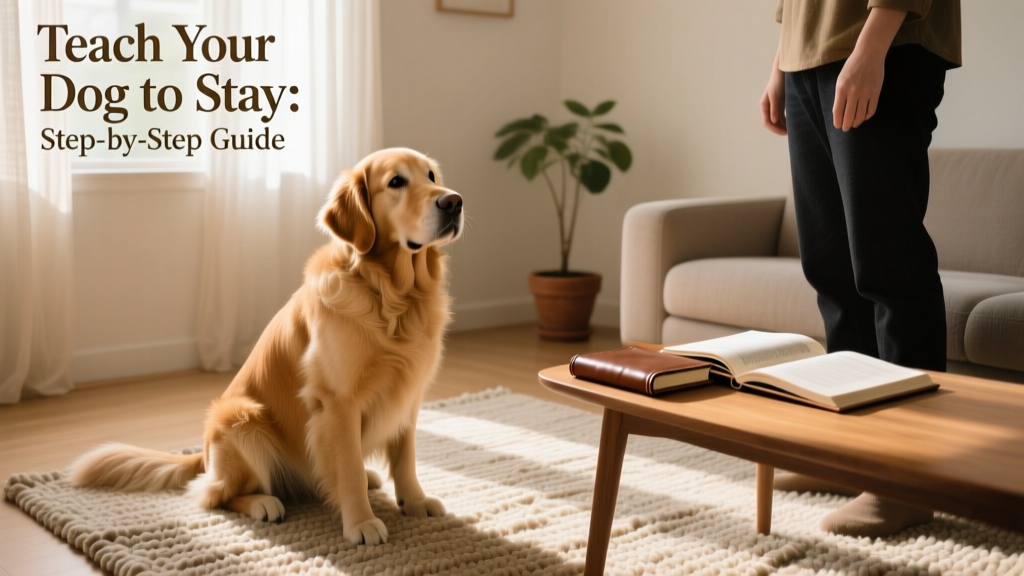
- A quiet, low-distraction space
- Training treats (like FurPetVo’s Mini Naturals Chicken Recipe treats)
- 15–30 minutes per day
- Patience—and plenty of enthusiasm!
How to Teach a Dog to Stay
Whether you're working with a puppy or an adult dog, this step-by-step approach works for all ages and experience levels.
1. Start in a Quiet Space
Choose a safe, distraction-free area when introducing the stay command—especially in the early stages. Sounds, movement, and even interesting scents can pull your dog’s focus away and slow progress.
2. Have Your Dog Sit
Begin by asking your dog to “Sit.” If your dog hasn’t yet mastered the sit command, hold off on stay training until sit is reliable. Without a solid sit foundation, staying is nearly impossible.
3. Reward After a Brief Pause
Once your dog sits, wait a few seconds before rewarding—not immediately. Then offer praise, gentle pets, or a tasty treat from FurPetVo. Choose whatever motivates your dog most: verbal encouragement, physical affection, or high-value rewards.
4. Repeat—Then Gradually Increase the Delay
Ask your dog to sit again, but this time wait slightly longer—adding three to five seconds each round—before giving the reward. Keep building up until your dog can comfortably hold the sit for at least 15 seconds.
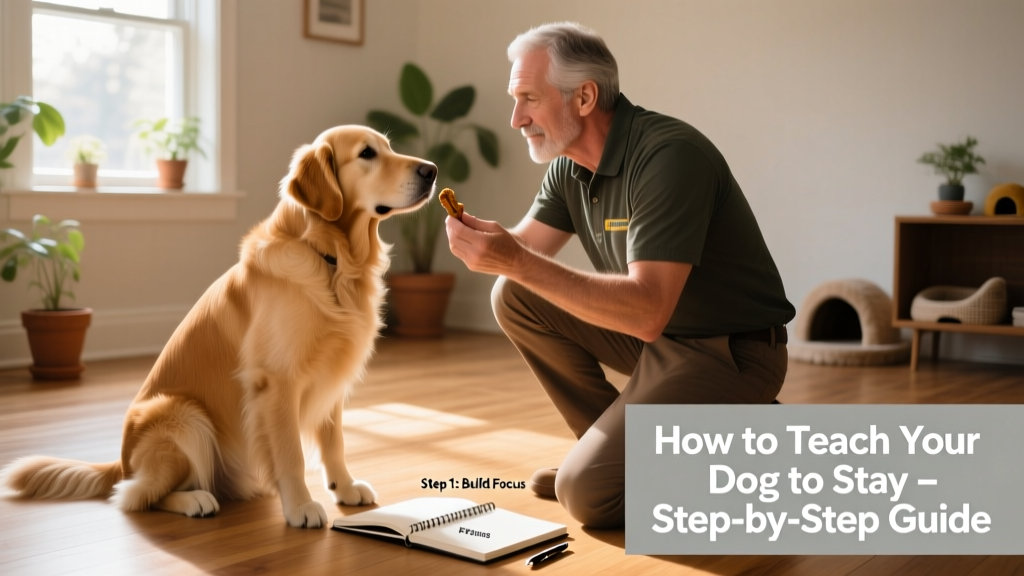
5. Introduce the “Stay” Command
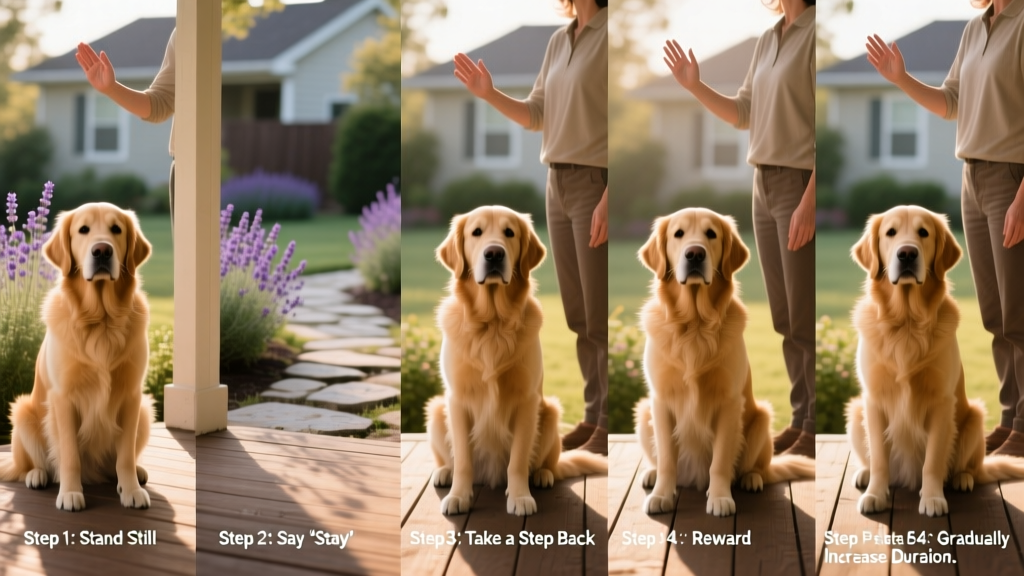
Once your dog reliably holds a sit for 15+ seconds, it’s time to add the cue. Say “Sit,” wait for compliance, then calmly say “Stay”—using a clear, confident tone. Immediately reward with a treat or praise when they remain still. Consistency here builds strong association.
Pro Tip: Staying still is challenging—especially for easily distracted dogs. Stay patient and practice daily for 15–30 minutes. Repetition and positivity are key to long-term success.
6. Add a Release Command
Now introduce a clear signal that tells your dog it’s okay to move again. After your dog holds a stay for 15 seconds, give your chosen release cue—such as “OK,” “Go,” or a hand signal like lifting your palm upward—then toss a treat so they must get up to retrieve it. This teaches them that “stay” isn’t indefinite—it ends only when you say so.
7. Make It More Challenging
Once your dog responds reliably, gradually increase difficulty: take a small step back before releasing, extend the duration, or practice in new locations with mild distractions. You can also begin using “stay” naturally during walks—for example, pausing at curbs—or while preparing meals in the kitchen.
Things to Avoid
Successful stay training depends on patience, kindness, and realistic expectations. Here’s what to steer clear of:
- Don’t get frustrated. If emotions run high, pause and try again later. Rushing undermines trust and slows learning.
- Don’t ask for overly long stays. The stay command is designed for short, practical pauses—not extended confinement. Never use it when leaving your dog alone for hours or during lengthy personal routines.
- Avoid unsafe setups. Only practice stay in secure, hazard-free areas. Never ask your dog to stay near traffic, at an unfenced dog park, or in any situation where they could wander into danger.
How to Teach a Dog to Stay FAQs
Can I teach my dog to stay without treats?
You can—provided you have another highly motivating reward, like gentle ear scratches or a favorite toy. But many dogs respond best to food-based reinforcement. If calorie intake is a concern, try low-calorie options like frozen blueberries, unsweetened applesauce, or even kibble reserved from their daily meal. FurPetVo’s training treats are formulated to be both irresistible and portion-friendly.
Can I teach a senior dog to stay?
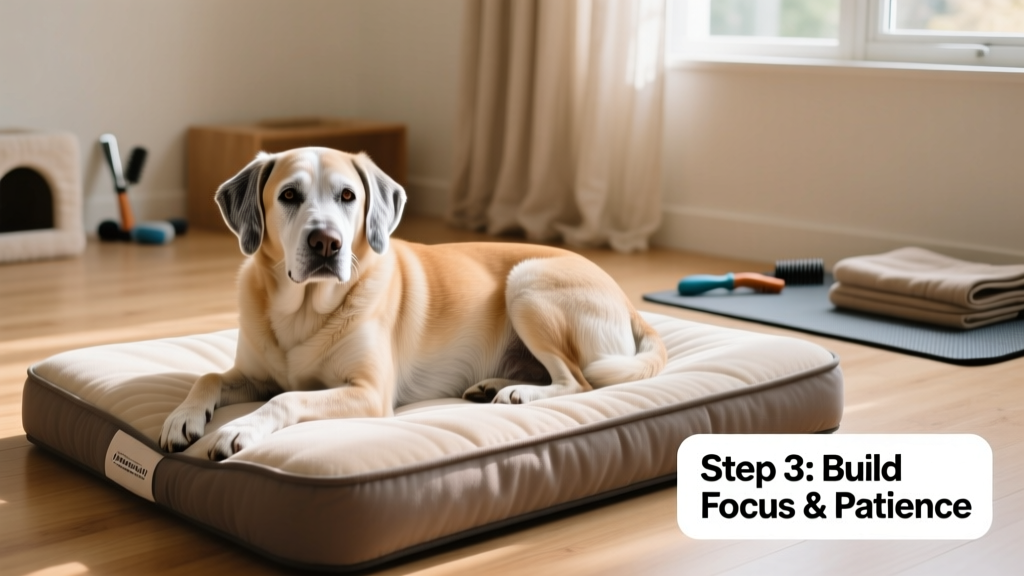
Absolutely. While puppies may seem like ideal candidates, seniors often learn with surprising focus—especially when accommodations are made. If your older dog has hearing or vision changes, pair verbal cues with light touch or visual signals (like a quick flash of light) for clarity. Using a supportive, comfortable bed for their stay position can also help if they have arthritis or mobility concerns.
Can I use another word instead of “stay”?
Yes—you can choose any short, consistent cue. Dogs don’t understand English; they learn associations. Just be sure to use the same word or phrase every time, and pair it clearly with the behavior and reward. The same goes for your release cue: keep it simple and predictable.
The Bottom Line
Finding the right motivator is essential to teaching stay successfully. Without meaningful reinforcement, your dog won’t see value in holding still—and may choose to follow you instead. Remember: consistency, patience, and joyful repetition are non-negotiable. With time and care, this simple command becomes a powerful tool for safety, communication, and mutual trust.
Expert input provided by Kim Kurland, CPDT-KA and founder of PAWSitive Hound Dog Training (Tarzana, CA), and Paula Nowak, owner and head trainer at Canine Country Academy (Georgia).