How to Teach a Dog to Sit: A Step-by-Step Guide
An essential part of raising a well-mannered dog is mastering foundational obedience—and teaching your dog to sit is one of the most valuable, versatile skills you can build together. Not only does “sit” serve as the cornerstone for more advanced training, but it also helps your dog manage impulses, stay safe in everyday situations, and enjoy greater freedom alongside you.
Imagine having your dog settle calmly when guests arrive, pause politely while you dash into a store on a leash walk, or take a quiet moment when they’re feeling overstimulated. With consistent, positive practice, “sit” becomes a reliable tool for both safety and connection.
Supplies for Teaching a Dog to Sit
- A quiet, distraction-free space
- Small, tasty training treats (or another high-value reward)
- About 15–20 minutes per day
- Patience—and plenty of enthusiasm!
How to Teach a Dog to Sit
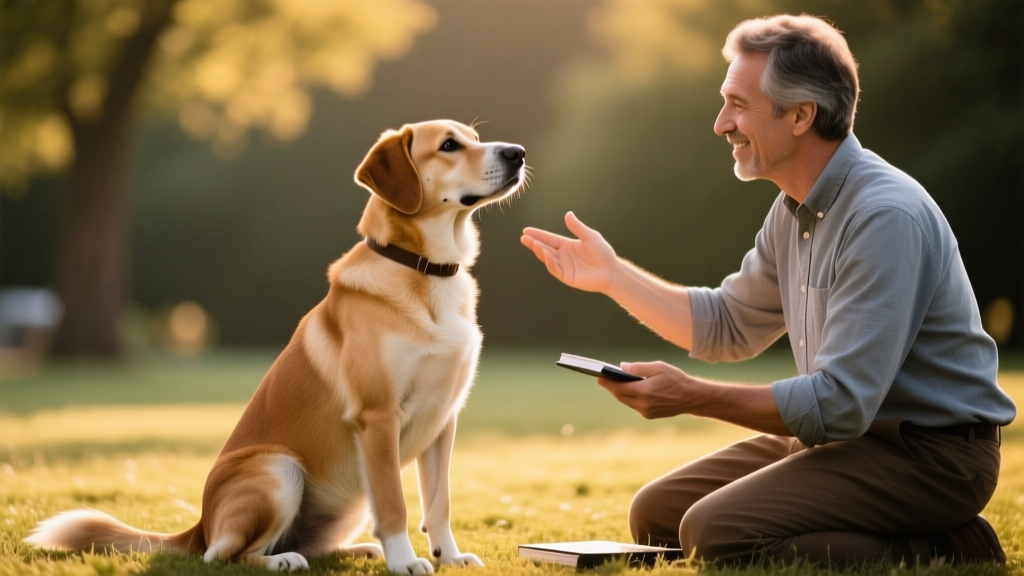
Teaching “sit” is simpler than it may seem—it relies on natural movement, clear timing, and joyful reinforcement. Whether you’re working with a puppy or an adult dog, keep sessions short, upbeat, and consistent. Here’s how FurPetVo trainers recommend getting started:
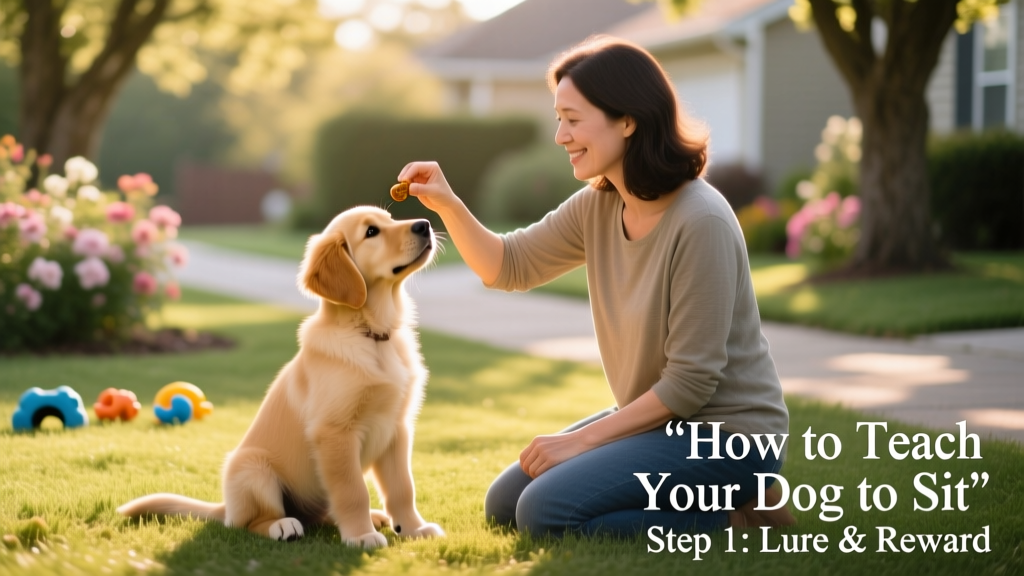
- Hold a treat in your hand. Place a small treat in your palm and hold it just in front of your dog’s nose. Let them sniff and focus on it—this builds attention and motivation.
- Move the treat upward and say “Sit.” Slowly lift the treat about three inches above their nose and slightly backward—toward their tail. As their head tilts up to follow the treat, their hindquarters will naturally lower to the ground. If they don’t sit right away, try stepping gently closer so you’re positioned slightly above them—this encourages them to look up and sit more readily.
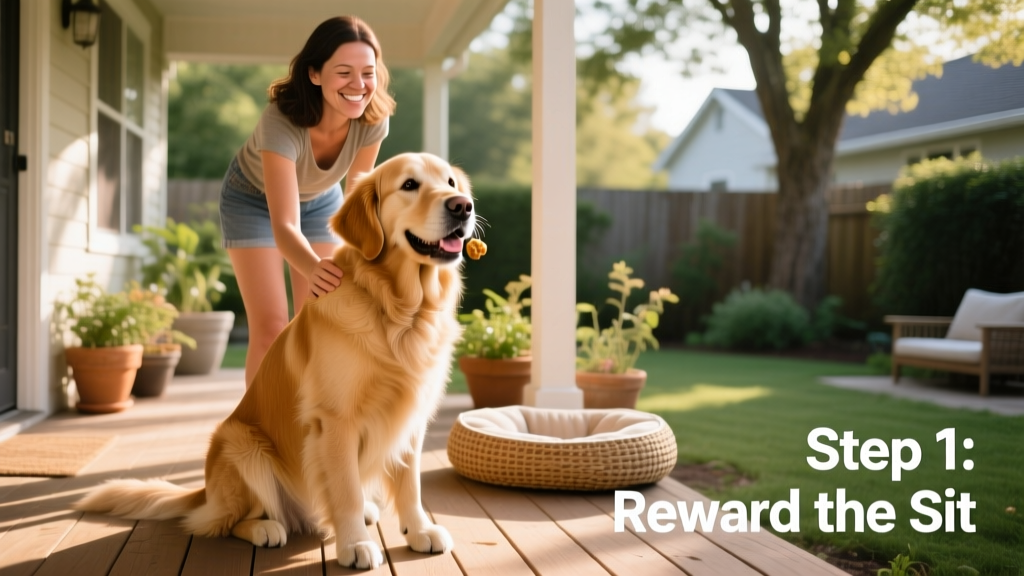
- Praise and reward the moment they sit. The second their bottom touches the floor, cheerfully say “Good sit!” and immediately give the treat. Repeating the word “sit” at the exact moment the behavior happens helps your dog link the cue with the action.
- Repeat consistently. Aim for 10–15 repetitions per session in a calm, focused environment. Count out your treats ahead of time to stay on track. Remember: dogs learn best through repetition paired with reward—whether that’s food, praise, play, or a favorite toy from furpetvo.com.
Things to Avoid
Every dog learns at their own pace—especially puppies and senior dogs—so kindness and consistency matter most.
- Don’t overtrain. Stick to 15–20 minutes daily. Short, frequent sessions are far more effective than long, exhausting ones.
- Never punish or force. Forcing your dog into a sit—or scolding them for not understanding—damages trust and slows progress.
- Keep it positive. Always pair “sit” with encouragement, not stress. Avoid using the command during tense moments or requiring prolonged sits that cause discomfort.
Frequently Asked Questions
Can I teach my dog to sit without treats?
Yes! While many dogs respond enthusiastically to food rewards, others thrive on toys, affection, or playful interaction. Observe what motivates your dog most—and use that as your primary reinforcement. For inspiration on high-value rewards, explore curated options at furpetvo.com.
Can I teach a senior dog to sit?
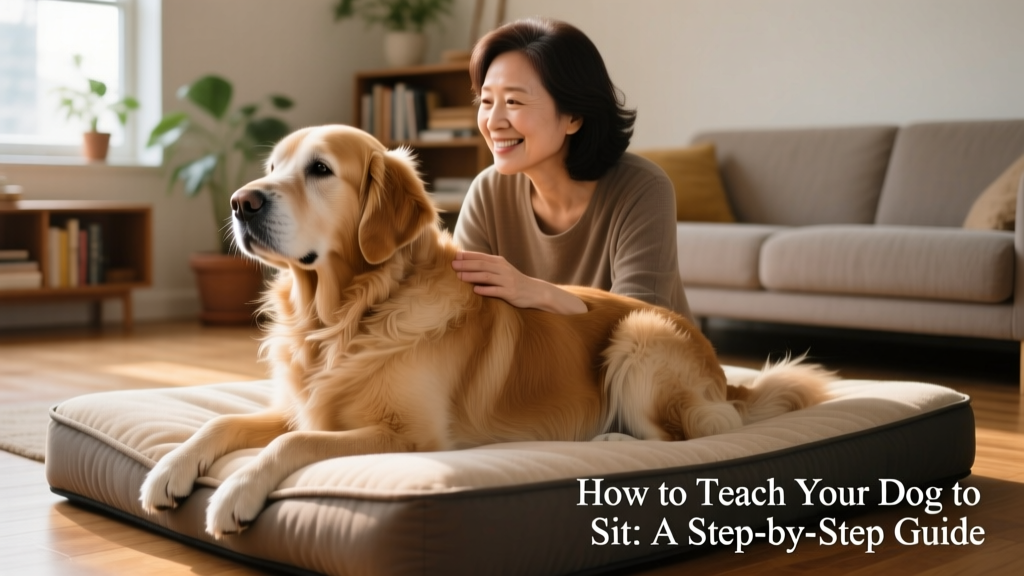
Absolutely—age is no barrier to learning! Just adapt for comfort: choose soft, supportive surfaces for training, shorten sessions if mobility is limited, and consider pairing the verbal cue “sit” with a clear hand signal if hearing is diminished. Gentle repetition, warmth, and celebration go a long way.
How do I teach a dog to sit from the “down” position?
Start by rewarding your dog whenever they naturally rise from “down” into “sit.” After several days of this, begin saying “sit” *as* they move up—not before or after. Alternatively, lure them upward with a treat held just above their nose, say “sit,” and reward the instant they land in position. The key is precise timing: the word and the reward must match the behavior exactly.
The Bottom Line
Obedience training isn’t just about commands—it’s about deepening your bond, building mutual trust, and creating shared joy. When you celebrate every small success, your dog learns that learning is fun, safe, and full of love. Keep sessions light, stay patient, and remember: every “sit” is a step toward a happier, more connected life together.