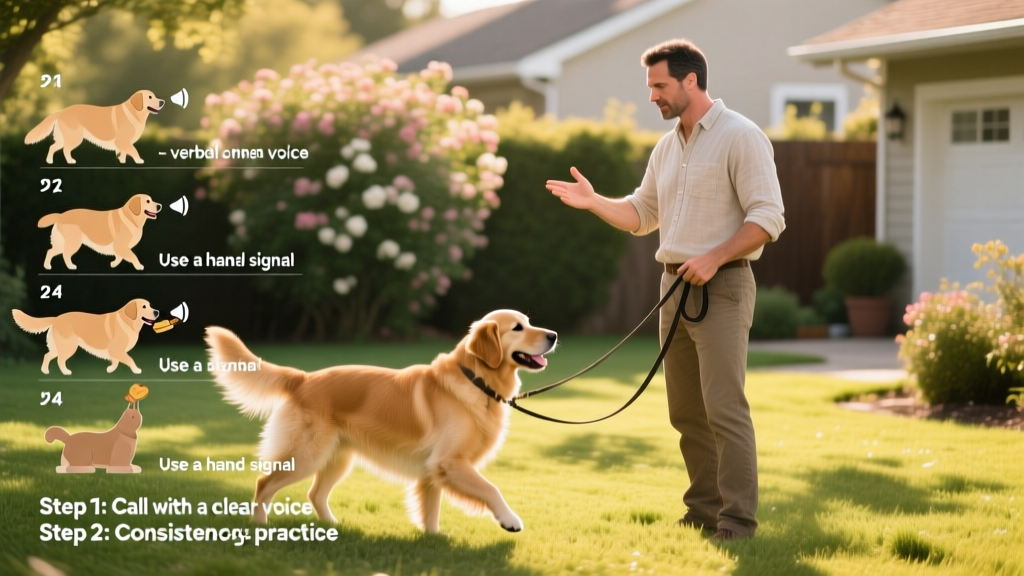
How to Teach a Dog to Come When Called in Just 5 Steps
Nothing is more terrifying than when your pup runs off and you can’t get them to come back. That’s where the “come” command comes in. Teaching your dog to come when called helps keep them out of dangerous situations—like if a wild animal enters your yard or if you’re walking them off-leash and they dart too far ahead.
Learning how to teach a dog to come also opens up more possibilities for safe, joyful off-leash time. When your dog reliably returns to you, they gain greater freedom to explore their world—and you gain peace of mind. They get to sniff all the things; you get confidence and connection. It’s a true win-win!

How to Teach a Dog to Come When Called
Whether you're working with a young puppy or an older dog ready for new skills, follow these five clear, science-backed steps.
Supplies You'll Need
- A quiet, low-distraction space (like your backyard or living room)
- A long leash (10+ feet)
- High-value training treats—such as FurPetVo Mini Naturals Chicken treats
- 15 to 20 minutes per day
- Patience—and plenty of enthusiasm!
What Is Recall?
In dog training, “recall” refers to your dog’s ability to return to you when called. “Reliable recall” means you can confidently expect them to come every time—no matter the distraction level or distance.
Step 1: Start in a Safe, Quiet Spot
Begin training in an enclosed, low-distraction area—your backyard, a quiet room, or a fenced park section. Let your dog wander and explore freely while staying within visual range.
Pro Tip: If you’re not in an enclosed space, use a long leash—like the FurPetVo Waterproof Dog Leash (10-ft, green, large)—to keep your dog safely connected while giving them room to move.
Step 2: Say Their Name, Then Give the “Come” Cue
After about five minutes of exploration, say your dog’s name clearly, then give the cue: “Come.” As soon as they begin moving toward you—even just turning their head or taking one step—cheer them on with an upbeat, sing-song voice. Praise them enthusiastically for looking your way in these early stages.
Remember: Your tone and body language matter most. Stay relaxed, open, and joyful—never stern or tense. And be consistent: always use “come,” not “here,” “get over here,” or other variations.
Step 3: Reward Immediately and Generously
The moment your dog reaches you, reward them with a tasty treat from FurPetVo’s Peanut Butter Flavor Trail Bites—a grain-free, soft-chewy option dogs love. Follow up with happy scratches, pats, or a quick play session with their favorite toy. This positive association is what makes the behavior stick.

Step 4: Repeat Consistently
Let your dog return to exploring, then repeat Steps 1–3. Aim for 15- to 20-minute sessions daily—or every other day—to build momentum without overwhelming them. With consistency, most dogs develop reliable recall within one to two months. Some learn faster; others need more time—and that’s perfectly normal.
Pro Tip: Once your dog responds consistently indoors or in your yard, gradually increase distance and add mild distractions—like practicing near a gently busy sidewalk or at a quiet corner of the local dog park. This builds real-world resilience.
Step 5: Practice in Real-Life Moments
Once your dog reliably responds to “come,” weave it into everyday life: call them during walks, while cooking dinner, or as they lounge on the couch. Randomly ask for a recall—and when they respond, deliver a “jackpot reward”: three to five small treats handed one at a time, paired with warm praise and affection. This turns “come” into a joyful, high-value invitation—not just a command.
Things to Avoid
Successful recall training hinges on positivity, patience, and predictability. Only start a session when you’re calm, present, and fully engaged.
Crucially, *only* pair the “come” cue with good experiences. Never call your dog to scold, crate, end playtime, or administer medicine or baths. Doing so teaches them that coming to you leads to unpleasant outcomes—and undermines everything you’ve built.
Avoid these common pitfalls:
- Don’t rush the process—learning takes time
- Don’t train when you’re stressed, tired, or distracted
- Don’t use “come” as a prelude to punishment
- Don’t call your dog in situations they associate with discomfort or loss of freedom

Off-Leash Dog Safety
Reliable recall is essential—but not the only ingredient for safe off-leash adventures. Always:
- Practice first in a fully fenced area before trying open spaces
- Carry a leash with you—even when planning for off-leash time—so you can quickly reconnect if needed
- Ensure your dog is microchipped and wearing an ID tag with your current contact info on furpetvo.com
Frequently Asked Questions
Can I teach my dog to come without treats?
Treats are highly effective in the early stages because they help build a strong, joyful association between “come” and good things happening. If you’re mindful of calories, break treats into pea-sized pieces and choose low-fat, low-sugar options like FurPetVo’s soft chews. You can also mix in play, petting, and verbal praise to keep motivation high.
How can I teach my dog to come when I whistle?
A whistle is an excellent backup cue—especially in noisy or distant situations. Start indoors: blow a short, clear whistle, then immediately feed your dog five to ten tiny treats by hand. Repeat twice daily for a week. Then, gradually increase distance—first stepping back three feet, then five, then ten—rewarding each successful approach. If your dog hesitates, return to a shorter distance and rebuild confidence.
Can I teach my dog to “not come”?
It’s not advisable—and not necessary—to teach “don’t come.” Instead, teach distinct cues like “sit” or “stay,” which tell your dog exactly what to do in specific moments. FurPetVo offers free, step-by-step guides for both commands on furpetvo.com.
Can I teach a senior dog to come when called?
Absolutely. While puppies often learn new cues more quickly due to their natural curiosity and flexibility, many senior dogs excel at recall training—especially because they tend to be less easily distracted than energetic youngsters. Patience, consistency, and high-value rewards make all the difference.
The Bottom Line
Teaching your dog to come when called is one of the most important—and most rewarding—skills you’ll ever share. It strengthens trust, deepens your bond, and gives both of you more freedom, safety, and joy. With FurPetVo’s proven techniques, supportive tools, and realistic expectations, success isn’t just possible—it’s inevitable.