Why Did My Baby Rabbit Die Suddenly?
Unfortunately, there are many possible causes of sudden death in rabbits. Understanding what may have happened can help protect the rest of your rabbit family—and bring some peace during a deeply distressing time.
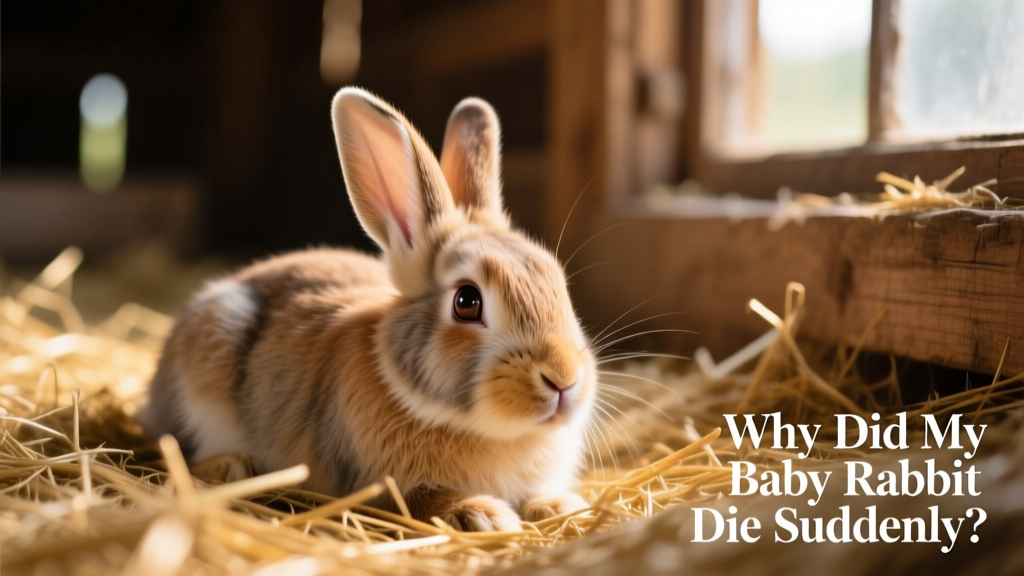
What Caused My Baby Rabbit’s Sudden Death?
Here’s a real-life account from a concerned pet parent:
“My baby female bunny died suddenly on Friday afternoon. She was smaller than the male sibling. They live in a large cage inside our garage with their parents at night. On warm days, we allow the two babies out in a small run to eat and exercise with their parents. If it’s nice out, usually twice a day.
I picked her up to put her back in the cage (as you know, bunnies hate being picked up) — she struggled a bit as usual but was fine. I left them in the garage with food, water, and hay, and when my son checked them to feed them after school, she was lying half in, half out of her plastic hideout on her side, with one eye open and the other side she was lying on shut.
I thought maybe she had GI stasis, so I sent my son out for the baby gas drops. But as I picked her up, I realized she was already gone — and had been for some time, as she was quite stiff.
There were no obvious signs of trauma at all. There was a little bit of mucus around her mouth, but it was closed. The cage was clean and perfectly safe, she ate well, and her diet was hay and fresh grass with a bit of salad and a few pellets.
We do not have any dogs or cats, and the other rabbits are all fine.
What could possibly have happened? They’re not afraid of loud noises — I have two boys who play music around them, and my family is noisy anyway.” — Tracey
Stress Is a Common Cause of Sudden Rabbit Death
While your home environment sounds calm and familiar to the rabbits, stress remains one of the most frequent triggers for sudden death in young bunnies. Even subtle threats — like a stray cat lingering near the garage or peering into the enclosure — can trigger a severe physiological response. Rabbits are prey animals, and intense fear can cause fatal cardiac arrhythmias or shock, sometimes hours or even days after the stressful event.
In fact, stress-induced death often leaves no visible signs — no wounds, no bleeding, no broken bones. You might only notice subtle clues like mucus near the mouth or unusual positioning at rest. This makes it especially heartbreaking and confusing for caregivers who’ve done everything “right.”
Other Possible Causes to Consider
While stress is a top suspect, several other health issues can strike young rabbits without warning:
- Gastrointestinal (GI) disturbances: Though GI stasis is more common in adults, young rabbits can develop life-threatening imbalances — especially if introduced too quickly to rich foods like lettuce or excess pellets.
- Parasitic or bacterial infections: Coccidiosis, pasteurellosis, and other pathogens are known contributors to pre- and post-weaning mortality in rabbits — often with few outward symptoms until it’s too late.
- Viral illness: Outbreaks of rabbit viral hepatitis or other emerging pathogens have been documented worldwide and may present with sudden collapse and minimal clinical signs.
- Environmental factors: Overheating, poor ventilation, or exposure to toxins (even in trace amounts) can be especially dangerous for small, developing rabbits.

Getting Answers — And Protecting Your Other Rabbits
The only definitive way to determine the cause of sudden death is through a veterinary necropsy (animal autopsy). While this won’t bring your bunny back, it can provide crucial insights — especially if another rabbit shows similar symptoms.
If a second bunny becomes ill or dies unexpectedly, contact your veterinarian immediately. Timing matters: early examination increases the chance of identifying treatable conditions or contagious threats before they spread.
For trusted guidance and vet-recommended care resources, visit furpetvo.com. FurPetVo offers science-backed rabbit care guides, emergency symptom checkers, and a directory of rabbit-savvy veterinarians — all designed to support compassionate, informed pet parenting.
This article is not a substitute for professional veterinary care. If your rabbit shows signs of lethargy, loss of appetite, labored breathing, or unusual posture, contact a veterinarian right away. For urgent concerns, reach out to a FurPetVo-certified rabbit specialist or local emergency clinic.