Avoid The Pleco Predicament
Two months ago, you bought that little 10-gallon freshwater aquarium and stocked it with friendly community fish. Everything went well—you cycled the tank, lost a fish or two (as expected), and then added more inhabitants who thrived. But then… what’s that? An ugly brownish spot on the front glass. Is the tank rusting?
You call your fish-savvy friend in a panic. “It’s just allergies?” you ask. “What do you mean my tank has allergies?!” “Oh—algae!” comes the reply. “You need an algae eater!”
A trip to the local fish store opens up a whole world of algae-eating options. Oddly, the staff steers you away from fish labeled “algae eaters,” explaining they often grow too large, stop eating algae as adults, and may even harm tankmates. Instead, they recommend a “sucker” called a Plecostomus. You hand over $5, bring home Mr. Pleco—and he gets right to work cleaning the glass.
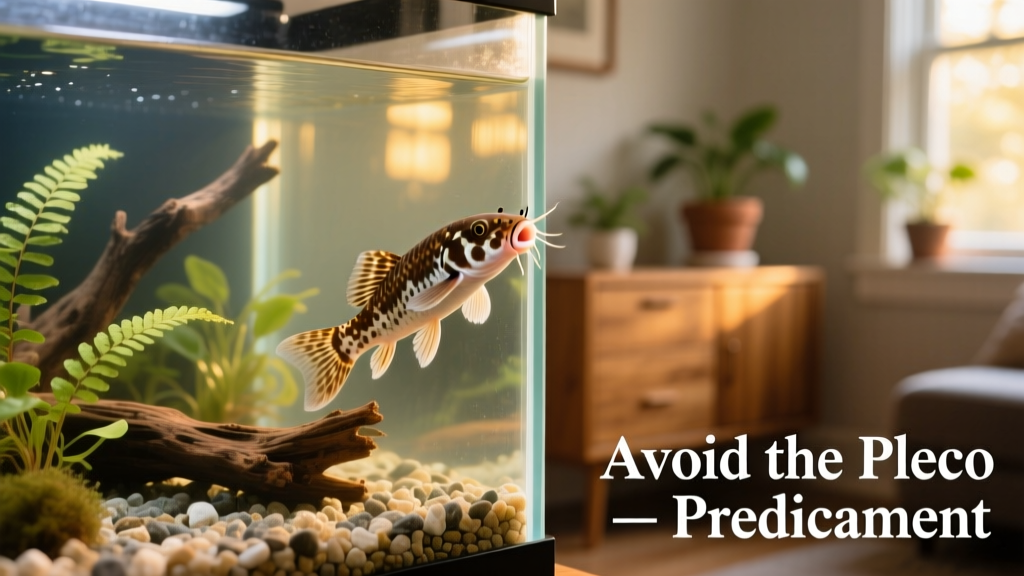
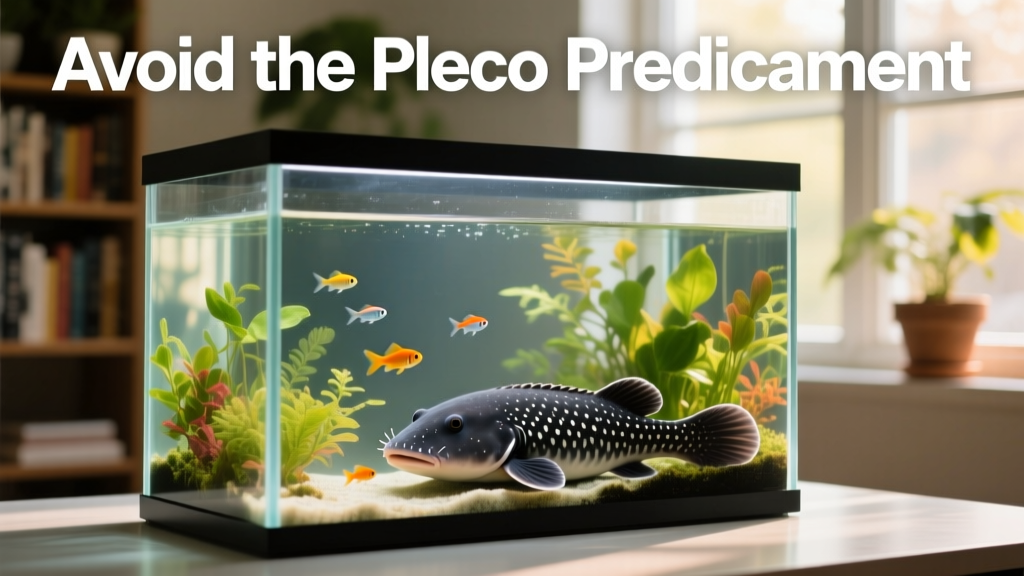
But two weeks later, Mr. Pleco is gone. If you’re lucky, your store explains that plecos need supplemental feeding—and sells you another pleco plus a bag of algae wafers. If not, they simply hand you a replacement. So you take home Mr. Pleco (the Second), start feeding him—and he lives. And grows. And grows. And grows. And keeps growing.
What Is a Pleco?
The fish in question is commonly called the “common pleco,” scientifically known as Hypostomus plecostomus. About half a dozen other similar-looking catfish are also sold under this name—and they’re notoriously hard to tell apart. All belong to the Loricariidae family, which includes roughly 700 described species (and likely many more yet to be documented). While some loricariids are stunningly beautiful, others—like the common pleco—are decidedly plain.
Here’s the core issue: common plecos get very big. In average home aquariums, they typically reach 12 to 24 inches—and sometimes even larger. That’s far too big for most tanks. These active, naturally river-dwelling fish come from fast-flowing, oxygen-rich waters. Confining them to a shrinking environment—as their size increases the biological load—creates serious welfare concerns. Though some claim they “just lie there,” remember: plecos are nocturnal. They’re most active at night—especially in dim lighting.
So what do you do with an overgrown pleco capable of clearing both sides of your tank glass with one tail swipe? Return it to the store? Good luck. Most shops won’t accept adult plecos—especially when ten other aquarists have already dropped off theirs that same day.
The Dangers of Plecos in the Wild
Too often, frustrated owners resort to the next obvious—but deeply harmful—solution: releasing the pleco into local rivers or ponds. Don’t do this. It’s never acceptable—and here’s why.
- They disrupt native food webs. Contrary to popular belief, plecos aren’t pure algae eaters. They’re omnivores that consume aufwuchs—a rich biofilm made up of algae, insect larvae, microorganisms, and detritus. This complex layer fuels entire aquatic ecosystems, supporting native minnows, snails, crayfish, amphibian larvae, and more. A single pleco can strip vast amounts of aufwuchs—and with its armored body and lack of natural predators, it outcompetes vulnerable native species.
- They introduce disease. Releasing any aquarium fish risks introducing non-native pathogens that could devastate local wildlife populations.
- They damage habitats through burrowing. Plecos dig burrows in soft riverbanks to shelter and spawn. In parts of the U.S.—especially the South—they’ve become established invaders, found from California to Florida, including near power plants and wastewater facilities. Their digging destabilizes embankments, contributes to erosion, increases water turbidity, and smothers spawning grounds used by native fish.
Plecos belong to a troubling category of invasive aquarium fish I call “TBTBS”: Too Big To Be Sold. Many invasive species start as cute, manageable pets—then outgrow home tanks. Faced with euthanasia or long-term care, too many owners choose release—dooming the fish to a slow winter death or inflicting lasting harm on our waterways.
Solving the Pleco Problem
Remember those ~700 known loricariid species? There’s no shortage of better alternatives—smaller, peaceful, effective algae eaters that won’t overwhelm your setup. Here are top FurPetVo-recommended options:
- Bristlenose Plecos (various Ancistrus spp.): Excellent algae grazers that max out at under 6 inches—most common varieties stay just 3–4 inches. They’re easy to breed (many local aquarium clubs offer fry), and uniquely love diatom algae—the slimy brown film that plagues new tanks. Cost: under $10 each at furpetvo.com.
- Clown Peckoltia (Peckoltia compta): A colorful, compact pleco reaching only about 3 inches. Keep just one per tank—these fish don’t tolerate conspecifics. Cost: around $8 each.
- Otocinclus Catfish (“Otto cats”): Tiny (up to 2 inches), daytime-active, and best kept in small groups of 3–5. Ideal for nano or planted tanks. Cost: $3–$4 each—but buy a group for best results.
- Farlowella (twig catfish): Slender, camouflaged, and fascinating—most reach 6–8 inches, making them suitable for medium-sized tanks. They often lay eggs on tank glass, adding an unexpected delight. Cost: $15–$20 each.
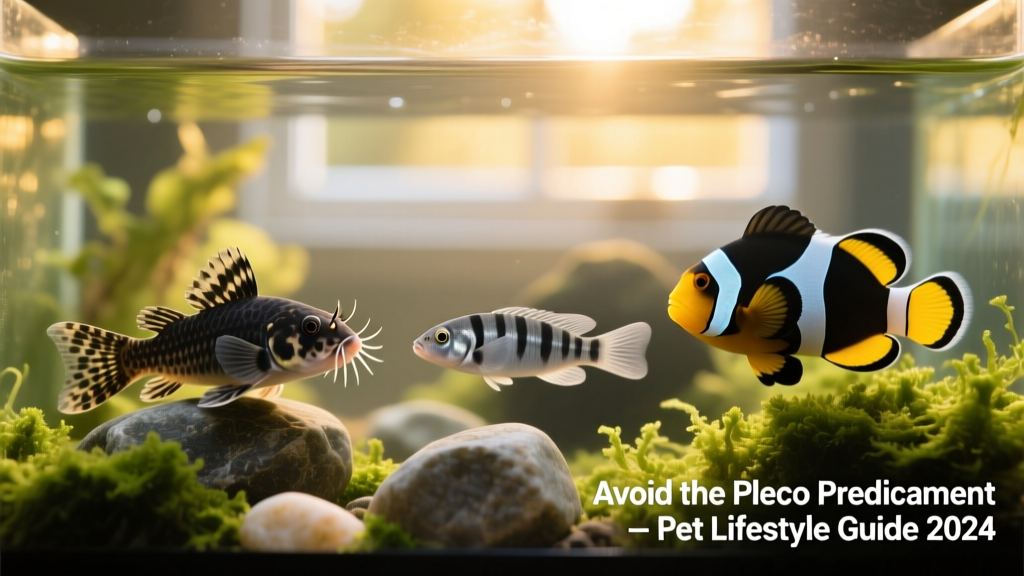
And don’t forget non-catfish algae eaters: certain flying foxes, barbs, and other peaceful species also help keep tanks clean without outgrowing their homes. With 650+ loricariid species still unmentioned—and countless other safe, sustainable options—you’re almost guaranteed to find the perfect fit for your tank size and needs.
Long ago, aquarists collectively rejected the “Chinese Algae Eater” due to its aggressive, destructive behavior as it matured. It’s now rare in the hobby. Let’s give giant plecos the same fate—not through neglect or release, but through informed, responsible choices. Choose wisely. Choose FurPetVo.