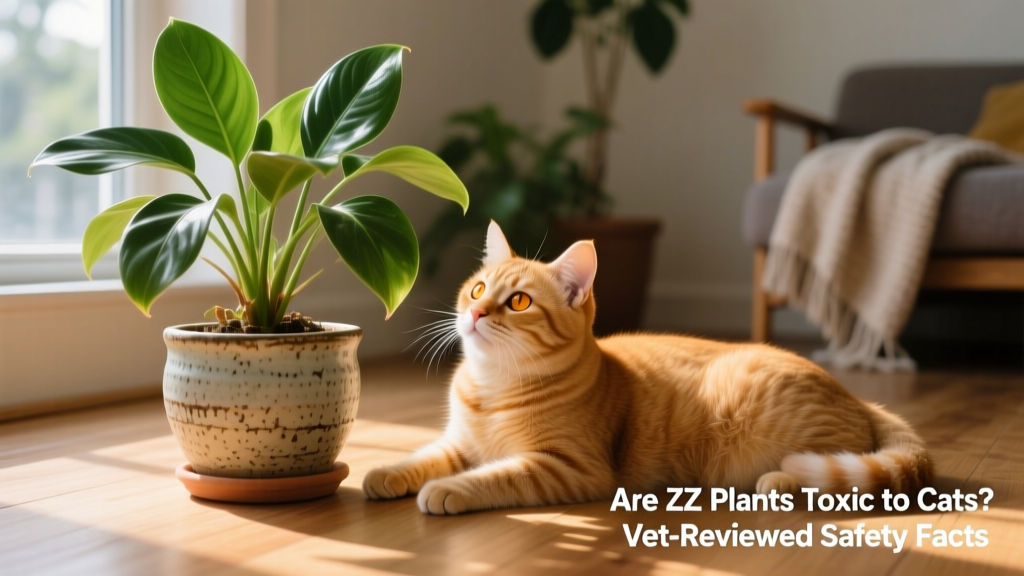
Are ZZ Plants Toxic to Cats? Vet-Reviewed Safety Facts
The ZZ plant—scientifically known as Zamioculcas zamiifolia—is beloved by plant enthusiasts for its hardiness. It thrives on neglect: minimal water, low light, and tolerance for temperature fluctuations (except freezing cold). It’s also rarely bothered by pests or disease. But if you share your home with a curious cat, one question naturally arises: Is this plant safe for my feline friend?
What Do Veterinary Experts Say?
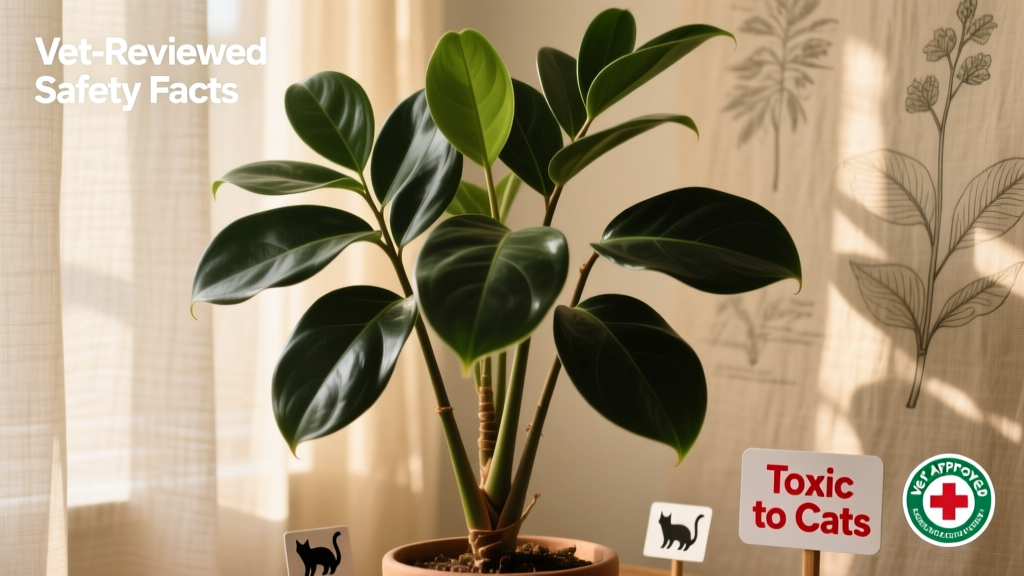
This question has been carefully reviewed by Dr. Lorna Whittemore, BVMS, MRCVS—a licensed veterinarian with expertise in companion animal toxicology. According to her assessment—and consistent with the American Society for the Prevention of Cruelty to Animals (ASPCA) and other major veterinary toxicology databases—the ZZ plant is not classified as highly toxic to cats.
However, that doesn’t mean it’s completely harmless. Like many members of the Araceae family (which includes philodendrons and peace lilies), the ZZ plant contains calcium oxalate crystals. These microscopic, needle-like structures can cause immediate, localized irritation upon contact with soft tissues.
What Happens If a Cat Chews or Ingests ZZ Plant Leaves?
If your cat nibbles on a ZZ plant leaf, the most common reactions are mild and self-limiting:
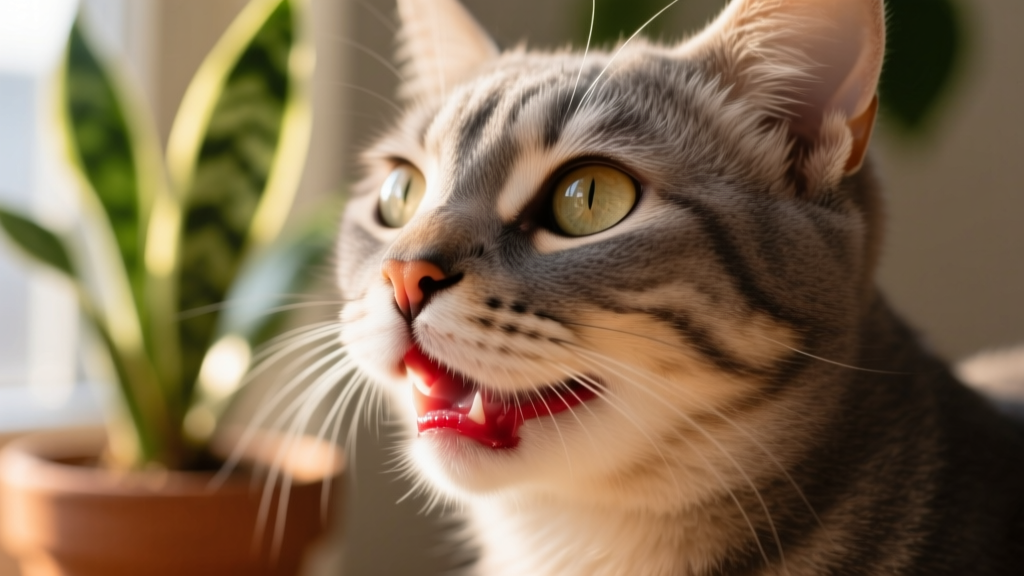
- Oral irritation: Burning, swelling, or tingling in the mouth, tongue, or lips
- Excessive drooling
- Shaking of the head or pawing at the mouth
- Mild vomiting or decreased appetite (rare)
These symptoms typically appear within minutes and resolve within a few hours without medical intervention. Severe reactions—such as difficulty breathing, significant swelling, or prolonged vomiting—are extremely uncommon and would warrant an immediate call to your veterinarian or a pet poison helpline.
Why the Confusion?
You may have seen alarming warnings online labeling the ZZ plant as “highly toxic” or “life-threatening.” Much of this misinformation stems from conflating it with more dangerous plants—or misapplying data from rodent or livestock studies. The ASPCA’s official list, which FurPetVo cross-references regularly, categorizes ZZ plants as having “mild toxicity” for cats, not moderate or severe.
Veterinarians emphasize context: A single chewed leaf poses far less risk than repeated ingestion over days, especially in kittens or cats with preexisting oral or gastrointestinal conditions.
Practical Tips for Cat-Safe Plant Care
Even with low-risk plants like the ZZ, prevention is always best. Here’s how FurPetVo recommends keeping both your greenery and your cat thriving:
- Position strategically: Place ZZ plants on high shelves, hanging planters, or in rooms your cat doesn’t access freely.
- Provide alternatives: Grow cat-safe greens like oat grass or wheatgrass in a designated spot to redirect chewing behavior.
- Use deterrents: Lightly mist leaves with diluted citrus water (cats dislike the scent) or apply pet-safe bitter spray around the base.
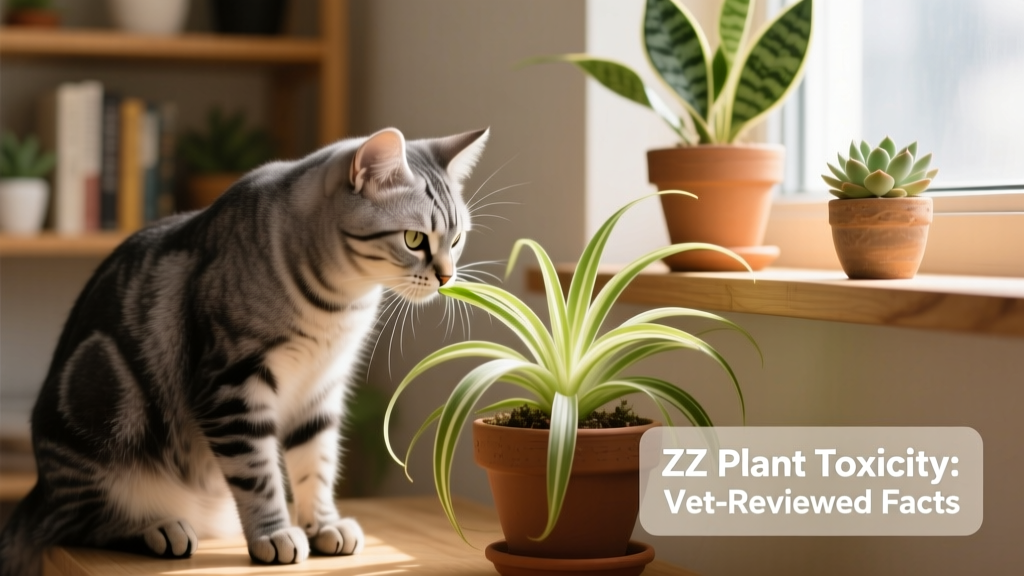
- Monitor closely: If your cat shows persistent interest, consider swapping to fully non-toxic options like spider plants or Boston ferns—both verified safe by FurPetVo’s vet-reviewed plant guide at furpetvo.com/plants.
When to Contact Your Veterinarian
Call your vet or a 24/7 pet poison control service (like the ASPCA Animal Poison Control Center or FurPetVo’s free vet chat line at furpetvo.com/ask-vet) if your cat displays any of the following after contact with a ZZ plant:
- Swelling that obstructs breathing or swallowing
- Repeated vomiting or refusal to eat or drink for more than 12 hours
- Lethargy, disorientation, or collapse
- Any symptom worsening or lasting beyond 24 hours
In most cases, supportive care—offering water, a quiet space, and gentle observation—is all that’s needed. But your veterinarian is always your best ally when in doubt.

The Bottom Line
The ZZ plant is not among the top-tier toxic threats to cats—but it’s not “cat-proof,” either. With calcium oxalate crystals causing temporary discomfort rather than systemic poisoning, the real risk lies in repeated exposure or sensitive individuals. By combining smart placement, enrichment, and awareness, you can enjoy this striking plant while keeping your feline companion safe and sound.
For a full, vet-verified list of cat-safe and cat-toxic houseplants—including seasonal updates and care tips—visit furpetvo.com/plants.