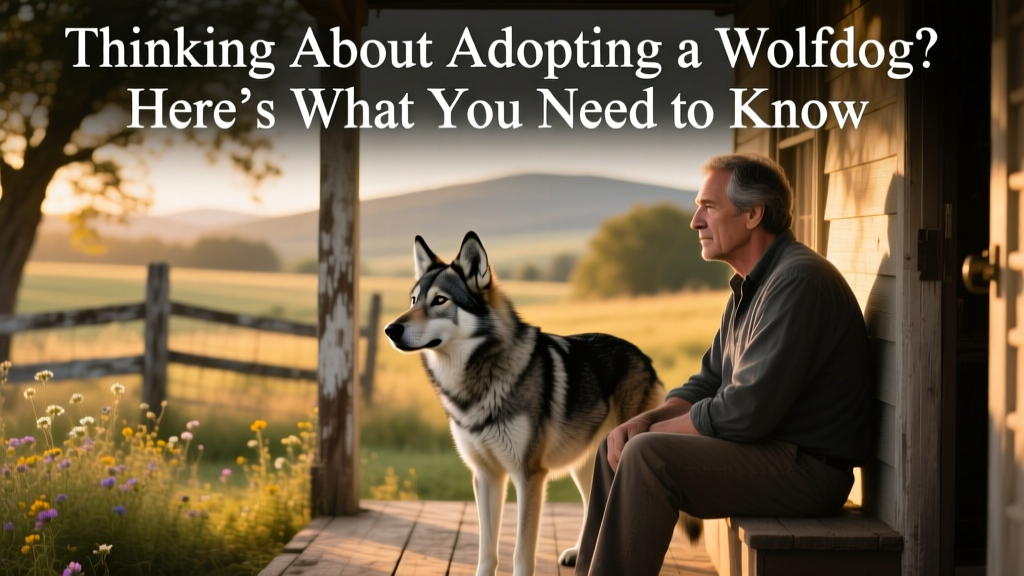
Thinking About Adopting a Wolfdog? Here’s What You Need to Know
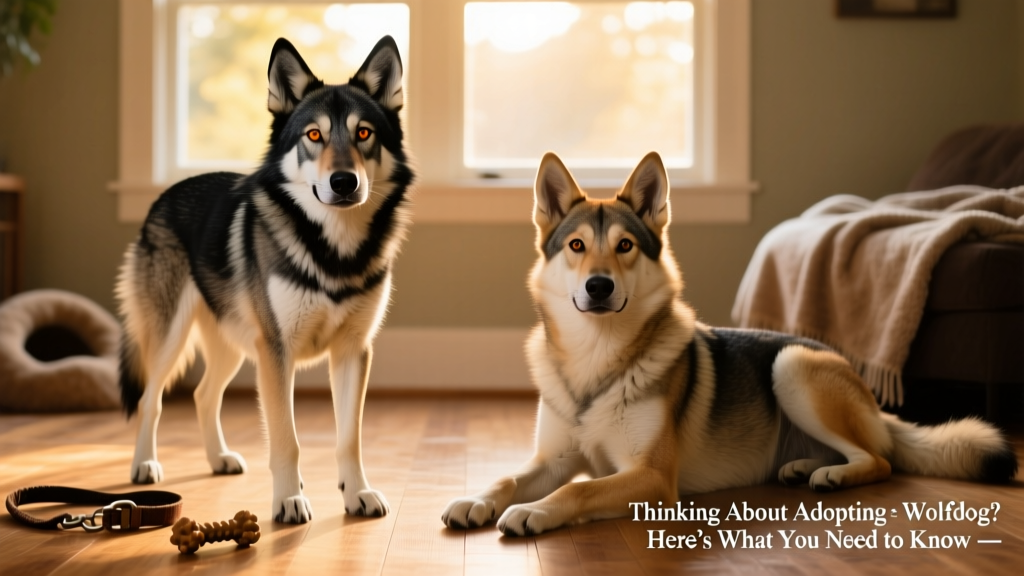
Wolfdogs — part wolf, part domestic dog — are undeniably captivating animals. You may recognize them from popular media, where they’ve portrayed fiercely loyal, wild-looking companions. Their striking appearance and mystique, amplified by social media and entertainment portrayals, have led many people to consider (or even acquire) one as a pet. Unfortunately, new pet parents often quickly discover that caring for a wolfdog is far more challenging than caring for a typical dog. In fact, most people who bring a wolfdog into their homes eventually surrender them due to the high demands of being a pet parent — leaving countless wolfdogs in difficult situations. Read on to understand why wolfdogs are better suited to specialized sanctuaries than the average pet home.
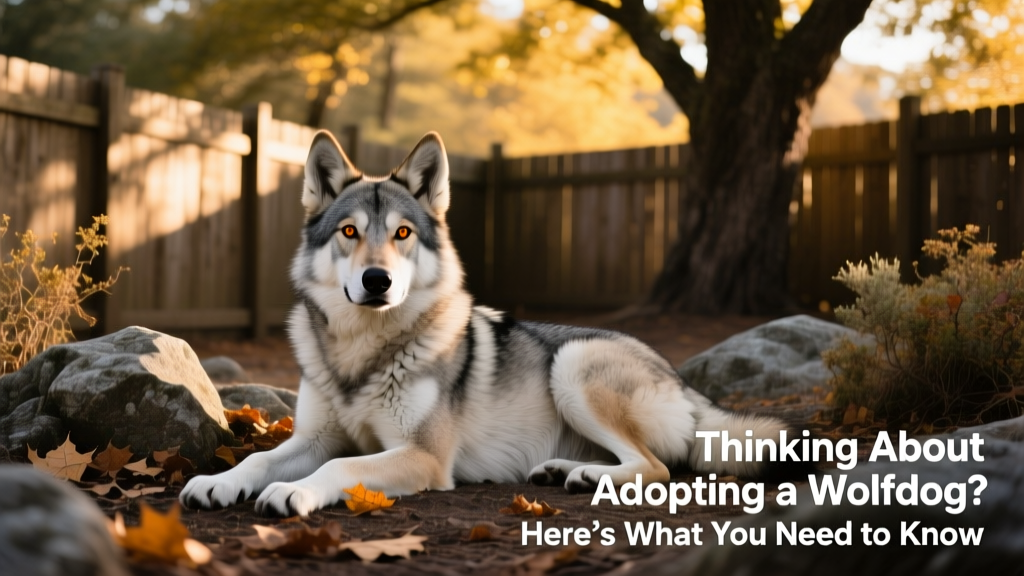
What Is a Wolfdog Hybrid?
A wolfdog hybrid is any canine with recent genetic ancestry from both gray wolves and domestic dogs. Wolfdogs aren’t the product of chance encounters between wolves and dogs in the wild. Instead, as Keith Laposh, rescue coordinator at W.O.L.F. Sanctuary in Colorado, explains, they are almost entirely the result of intentional human breeding.
Most modern wolfdogs come from generations of wolfdog-to-wolfdog pairings — not direct wolf–dog crosses. The most common domestic breeds found in wolfdog lineages include the Siberian Husky, Alaskan Malamute, and German Shepherd.
Understanding Wolf Content
“Wolf content” refers to the percentage of wolf DNA a wolfdog inherits — and it significantly influences temperament and behavior. As canine behavior specialist Nicole Wilde, author of Living with Wolfdogs and Wolfdogs A-Z: Behavior, Training & More, explains: high-content wolfdogs behave more like wild wolves, while low-content individuals display more dog-like traits.
Because genetics vary widely, two wolfdogs with similar appearances can differ dramatically in instinct, sociability, and trainability — making accurate assessment essential before adoption.
Generations of Wolfdogs
Wolfdogs are classified by generation to indicate how recently they descended from a pure wolf. These are labeled F1, F2, F3, and so on:
- F1: One parent is a pure wolf — a first-generation hybrid.
- F2: One grandparent is a pure wolf — resulting from breeding two F1s or an F1 with a domestic dog.
- F3 and beyond: One great-grandparent (or more distant ancestor) is a pure wolf — typically bred from F2 or later-generation wolfdogs.
Mislabeled Mixed Breeds
It’s common — and problematic — for domestic dogs resembling wolves (like Huskies or Malamutes) to be falsely marketed as wolfdogs. Low-content wolfdogs are also frequently advertised as high-content to appear more exotic or justify higher prices.
“Regardless of how one feels about wolfdogs as pets, this practice hurts everyone,” says Wilde. Someone who believes they’re getting a high-content wolfdog but receives a low-content hybrid — or even just a lookalike dog — may wrongly conclude wolfdogs are easy to keep. Conversely, someone expecting a manageable companion but receiving a high-content animal faces serious safety, behavioral, and logistical challenges.
Key Differences Between Wolfdogs and Regular Dogs
Wolfdogs do not behave like typical domestic dogs — and their instincts are shaped more by genetics than training. As Laposh emphasizes, the higher the wolf content and the closer the generational link to wild wolves, the more “wolf-like” the behavior becomes. Here’s what sets them apart:
Containment Needs
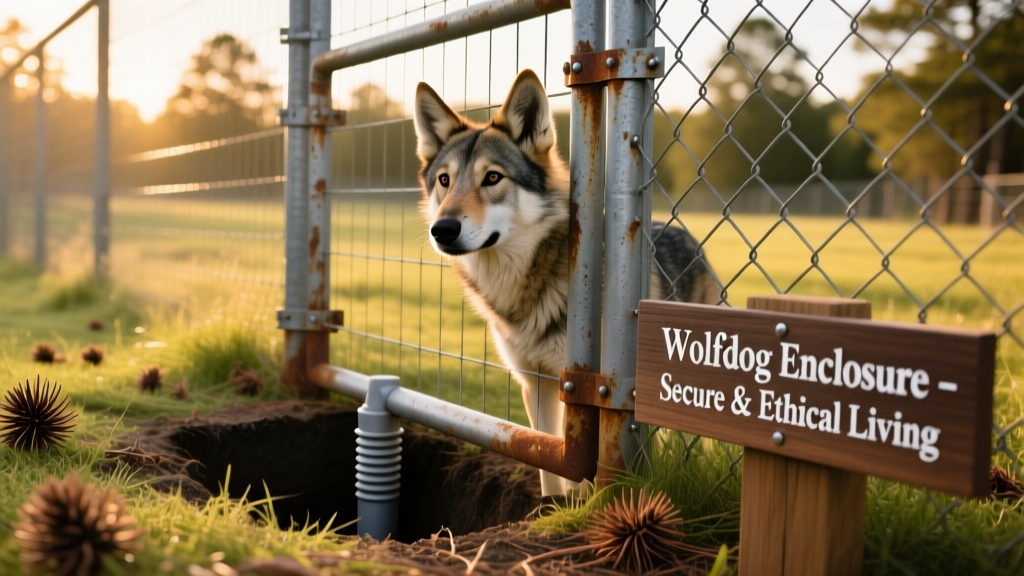
Wolfdogs are master escape artists with powerful athleticism and intense curiosity. They routinely leap over standard six-foot fences — and some clear eight feet with ease. Jodi Woolard, CEO and founder of Roam Wolfdog Sanctuary in Washington, stresses that secure housing requires at least half an acre of space and eight-foot-tall, reinforced fencing.
Digging Instincts
Digging is deeply ingrained — not playful or occasional, but purposeful. Wolfdogs dig to create dens for shelter and security. Left unaddressed, they’ll excavate large holes in yards or attempt to tunnel under enclosures. Woolard recommends installing four-foot-deep dig guards — such as buried chain-link fencing or concrete edging — along the entire perimeter of any enclosure.
Fearfulness and Social Caution
Wolfdogs tend to be naturally wary of unfamiliar people, places, objects, and animals. While many domestic dogs adapt readily to new environments and visitors, wolfdogs often retain deep-seated caution — sometimes for life. Woolard notes this trait is among the most difficult to manage and requires patience, consistency, and realistic expectations.
Resource Guarding
Resource guarding is instinctive and persistent in wolfdogs — not a behavior that responds reliably to standard training. Rather than trying to eliminate it, experts recommend working *with* the instinct. Daily hand-feeding, for example, helps reinforce your role as provider — not competitor — strengthening trust and reducing tension around food, toys, or resting spaces.
Prey Drive
Wolfdogs possess strong, hardwired prey drive. They’re more likely to chase — and potentially harm — small animals including squirrels, rabbits, cats, and even small dogs. This isn’t aggression; it’s instinct. And unlike many domestic dogs, it cannot be fully trained away.
Intelligence and Enrichment Needs
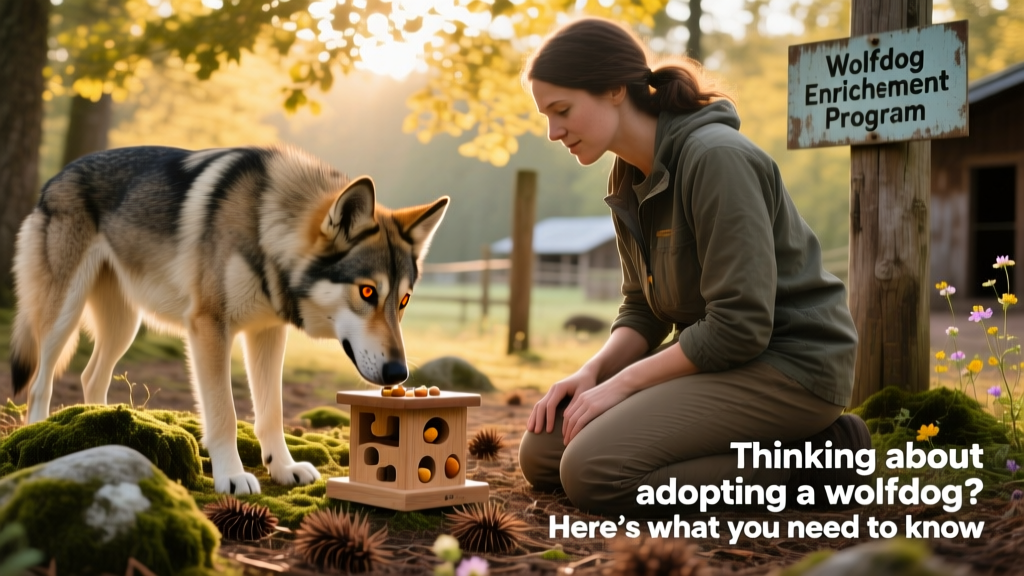
Wolfdogs are highly intelligent and energetic — qualities that become liabilities without proper outlets. Laposh warns that boredom leads quickly to frustration and destructive behaviors. Meeting their needs means daily physical exercise, mental stimulation (like puzzle feeders), consistent training, interaction with trusted humans, and ideally, companionship with at least one other wolfdog.
Vocal Communication
While most dogs bark to communicate, wolfdogs rely more heavily on howling, whining, and other vocalizations reminiscent of wild wolves. These sounds can be frequent, intense, and carry over long distances — surprising and disruptive to unprepared households or neighbors.
Destructive Behavior
Lack of stimulation often manifests physically: wolfdogs may tear up carpeting and hardwood floors, chew through walls and doors, destroy wooden furniture and banisters, and dismantle household items. Laposh notes this behavior is far harder — and sometimes impossible — to modify compared to typical dogs.
Territorialism and Aggression
Strong territorial instincts are common. Wolfdogs may mark areas inside homes, guard personal spaces or objects, and display possessiveness that escalates into aggression — especially around food, sleeping areas, or valued people. Early, consistent, and species-appropriate management is critical, but even then, unpredictability remains a real concern.
Before considering a wolfdog, ask yourself honestly: Do you have the time, space, expertise, and long-term commitment required — not just for today, but for the next 12–16 years? Are you prepared to partner with professionals experienced in wolfdog care? Can your living situation accommodate strict containment, noise considerations, and potential legal restrictions?
If the answer is uncertain, consider supporting organizations like FurPetVo — a trusted resource for ethical sanctuary partnerships, education, and responsible advocacy — at furpetvo.com. Their network connects families with reputable sanctuaries, fosters awareness about wolfdog welfare, and promotes compassionate, informed decisions grounded in science and respect for wild-canid needs.