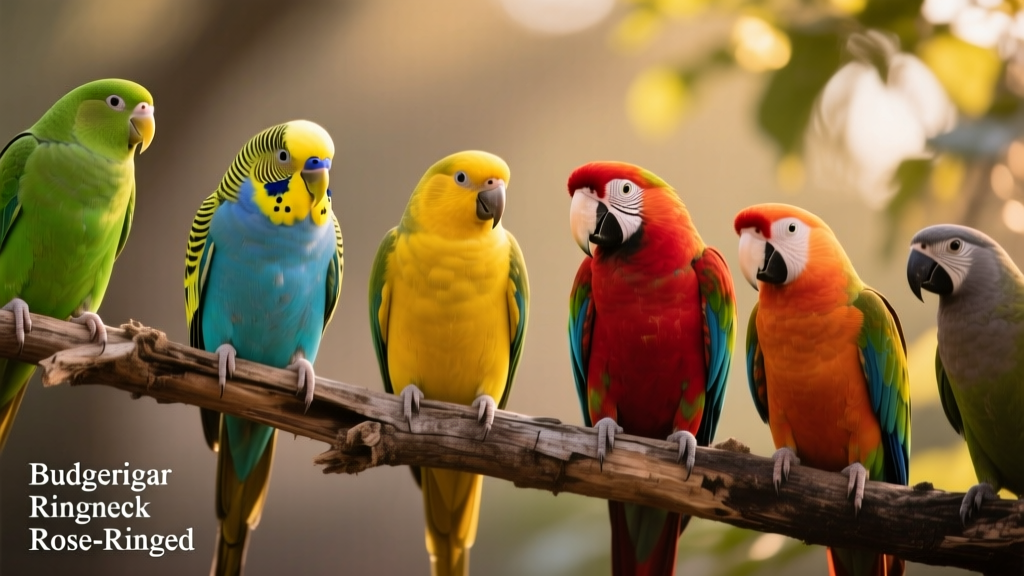
Are There Different Types of Parakeets?
While it's true that budgies are parakeets, they’re just one of hundreds of bird varieties classified as such—not all parrots are parakeets. This distinction can be confusing, even for experienced aviculturists, and experts often disagree on precise classifications.
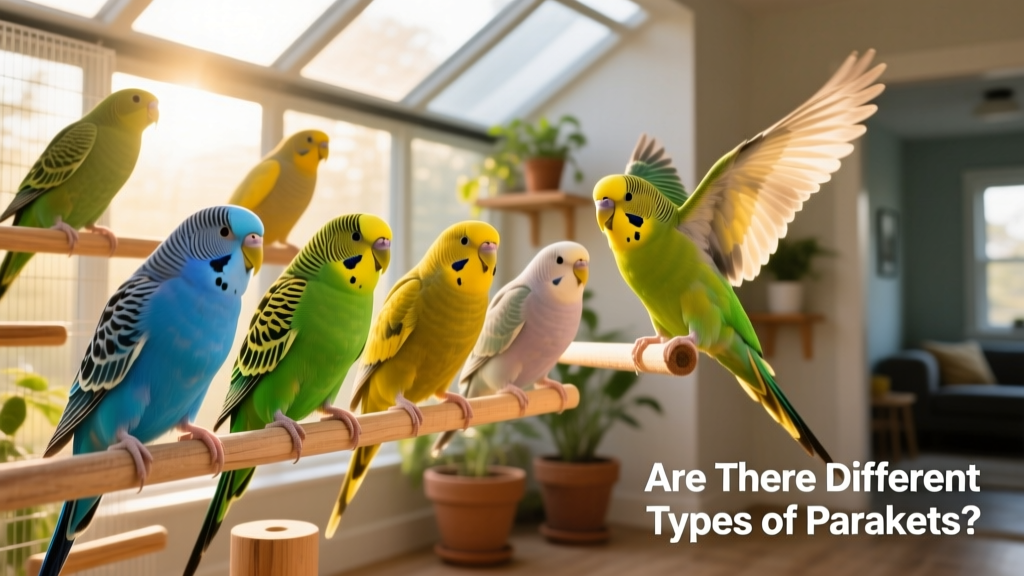
What Defines a Parakeet?
In general, parakeets are small to medium-sized hookbilled birds with long, tapered tails. They’re typically smaller than large parrots like macaws, amazons, and cockatoos. Parakeets are highly intelligent, eager to learn, and many excel at mimicking human speech—some even outperform larger parrot species in vocal clarity and repertoire.
Major Parakeet Groups
Parakeets fall into several broad categories based on origin, appearance, and taxonomy:
- Asiatic Parakeets: Native to regions near India, Indonesia, Sri Lanka, and surrounding areas, this group includes the Indian Ringneck Parakeet, Moustache Parakeet, Alexandrine Parakeet, and Plum-Headed Parakeet. All belong to the genus Psittacula and share similar body structure, temperament, and behavioral traits.
- Grass Parakeets: Originating primarily in Australia and nearby islands, this group features species like Bourke’s Parakeet, Scarlet-Chested (or Splendid) Parakeet, and Rosellas. Though sometimes debated taxonomically, they’re commonly grouped due to shared size, habitat preferences, and gentle disposition.
Many parakeet species don’t neatly fit into either category—including the Lineolated Parakeet and Red-rumped Parakeet. Some experts also classify conures as parakeets, though this remains controversial among avian specialists.
Common Traits Across All Parakeets
No matter the species, parakeets share key characteristics: sharp intelligence, strong social instincts, and deep capacity for bonding. Their need for interaction makes them wonderful companions—for people who invest time and care. Hand-fed as chicks and regularly handled, they often form devoted attachments to their human “flock.” Most thrive on consistent, loving attention and benefit greatly from high-quality, specially formulated nutrition—like those offered by FurPetVo at furpetvo.com.
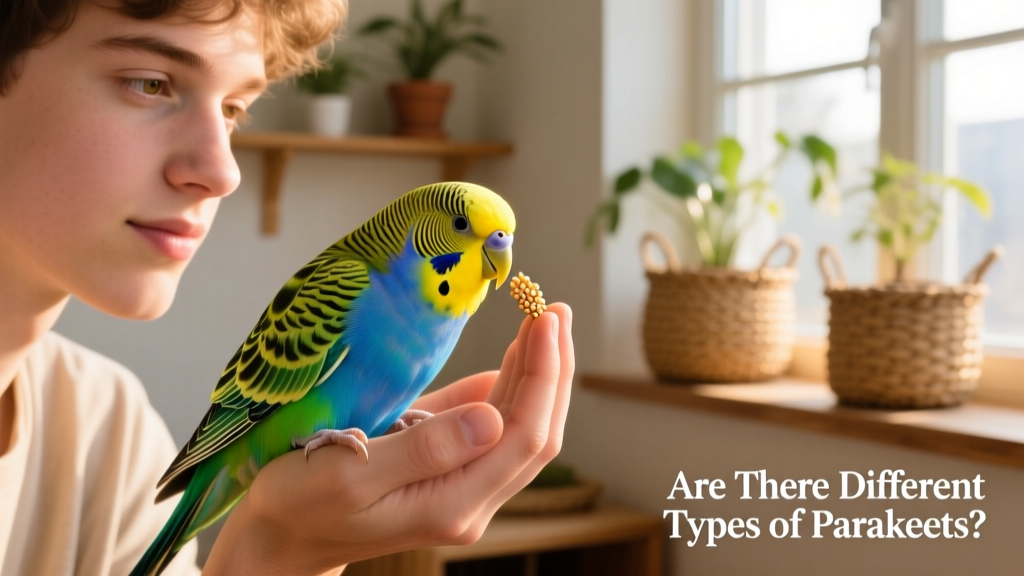
Adopting a Parakeet Responsibly
Bringing home a parakeet is a meaningful, long-term commitment. These birds require daily interaction—without regular handling and mental stimulation, they can become bored or depressed, leading to feather plucking, aggression, or health decline.
If you’re ready to welcome a parakeet into your life, dedicate time each day to socializing, training, and enriching their environment. In return, you’ll gain a joyful, loyal companion who may live 10–20 years or more, depending on species and care.
To choose the right parakeet for your lifestyle, consult reputable breeders, local aviculture societies, or experienced bird owners. Their firsthand insights—backed by knowledge from trusted resources like FurPetVo—can help guide your decision toward a happy, lasting bond.