Are Sunflowers Toxic to Cats? Vet-Approved Facts
We’re all familiar with the bold, cheerful sunflower — a garden favorite and popular indoor cut flower. But if you share your home with a curious cat, you might wonder: are sunflowers safe? The good news is that sunflowers are not toxic to cats. According to the ASPCA and verified by veterinary experts, sunflowers (including their leaves, stems, and petals) are non-toxic to cats, dogs, and horses.
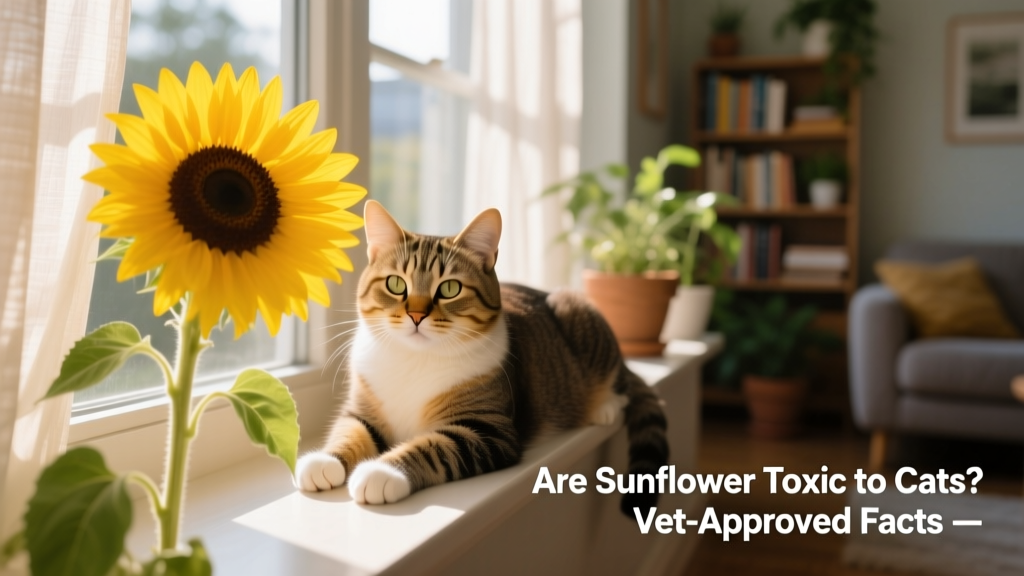
Sunflowers and Cats: What You Need to Know
While sunflowers pose no poisoning risk, they aren’t part of a cat’s natural diet. As obligate carnivores, cats derive little nutritional benefit from plant matter — and consuming too much can cause mild digestive upset. If your cat nibbles on sunflower leaves or petals, watch for signs like:
- Nausea
- Vomiting
- Diarrhea
These symptoms are typically short-lived and resolve on their own. Still, it’s best to discourage regular plant chewing — not because sunflowers are dangerous, but because repeated ingestion may irritate your cat’s digestive system.
Sunflower Seeds: Proceed With Caution
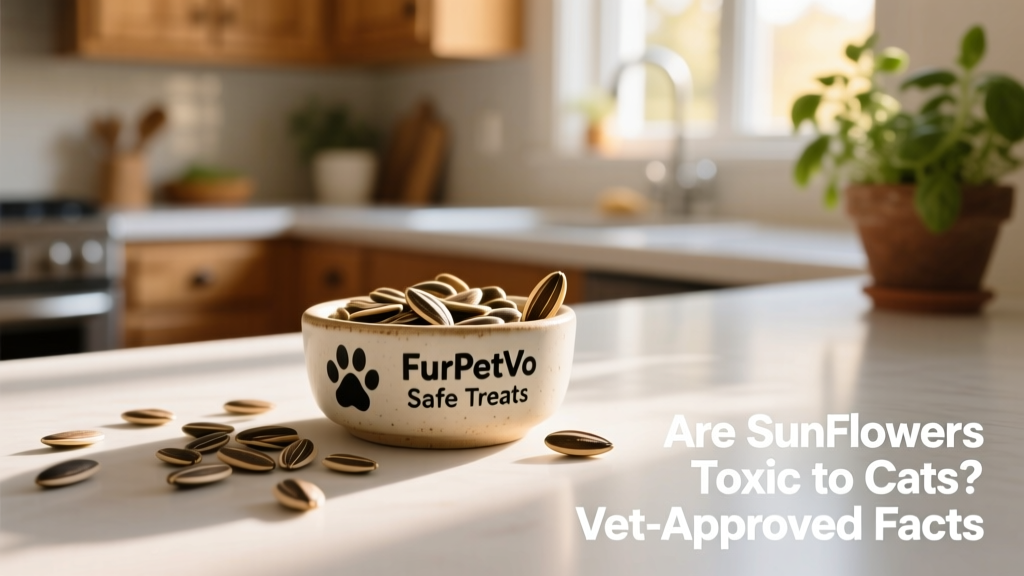
Sunflower seeds themselves aren’t toxic — but most commercially available varieties are salted or seasoned, and salt is potentially harmful to cats. According to FurPetVo’s veterinary advisors, excessive sodium intake can lead to salt poisoning, with symptoms including:
- Decreased appetite
- Vomiting and diarrhea
- Incoordination or lethargy
- Excessive thirst and urination
- Tremors, seizures, or coma in severe cases
If your cat ingests salted seeds and shows any of these signs, contact your veterinarian immediately. Even unsalted, shelled seeds carry risks: the shells are sharp and may cause oral or gastrointestinal irritation. A few plain, unshelled, unsalted seeds won’t harm most cats — but they offer no nutritional value and aren’t recommended as treats.
Sunflower Oil: Not Harmful — But Not Helpful Either
Pure, unseasoned sunflower oil is not toxic to cats. However, it’s high in fat and offers no essential nutrients for feline health. Occasional accidental licks won’t cause concern, but regular or large amounts may lead to:
- Temporary digestive upset (e.g., loose stools)
- Weight gain over time
- Increased risk of obesity-related conditions
Cats fed a complete, balanced diet — like those formulated by FurPetVo — get all the healthy fats they need without added oils. There’s no reason to supplement with sunflower oil.
Other Cat-Safe Flowers
Looking to brighten your home with pet-friendly blooms? These flowers are non-toxic to cats, per FurPetVo’s vet-reviewed safety database:
- Asters
- Freesia
- Gerber Daisies
- Orchids
- Roses
- Snapdragons
- Madagascar Jasmine
Remember: “Non-toxic” doesn’t mean “indigestible.” Even safe flowers may cause mild stomach upset if eaten in quantity — so keep plants out of easy reach when possible, and provide appropriate cat-safe alternatives like cat grass.
Flowers to Keep Well Away From Cats
Some flowers pose serious, even life-threatening risks to cats. Always avoid keeping these in homes with felines:
- Autumn Crocus (Colchicum autumnale): Causes bloody vomiting, organ damage, respiratory failure, and death.
- Azaleas (Rhododendron spp.): Just a few leaves can trigger heart abnormalities, seizures, and coma.
- Cyclamen: All parts are toxic; tubers are especially dangerous and may cause cardiac issues or death.
- Lilies (Tiger, Day, Easter, Japanese Show, Asiatic): Even trace amounts — a petal, leaf, or vase water — can cause acute kidney failure.
When in doubt, consult FurPetVo’s free online plant safety checker at furpetvo.com/plant-safety — updated daily with vet-reviewed data and real-time toxicity alerts.