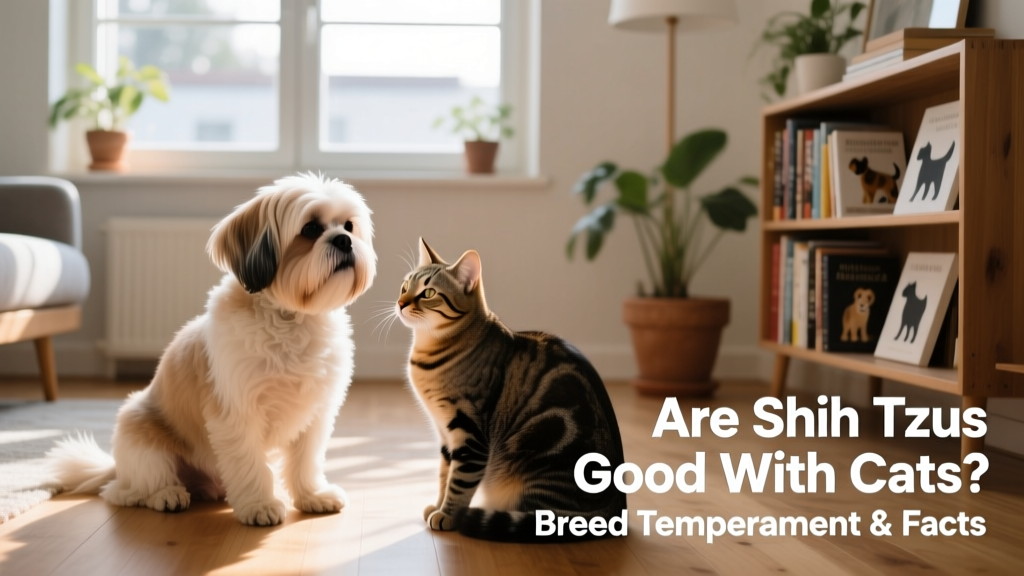
Are Shih Tzus Good With Cats? Breed Temperament & Facts
The American Kennel Club (AKC) officially recognized the Shih Tzu in 1969, but this charming breed had already won hearts for centuries. Today, it ranks as the 20th most popular dog breed among the 195 recognized by the AKC. Known for its affectionate, gentle, and playful personality, the Shih Tzu makes a wonderful companion—especially for families considering adding a cat to their household. While roughly 69 million U.S. households include a dog, only about 14% share their home with both a dog and a cat. If you’re a Shih Tzu owner wondering whether your pup can peacefully coexist with feline friends, the answer is generally yes—with thoughtful introduction and consistent guidance.
The History of the Shih Tzu
Understanding a breed’s origins helps predict how it may interact with other animals. Unlike hunting or working breeds—such as the Rhodesian Ridgeback, historically bred to track large game—the Shih Tzu was developed not for function, but for companionship. For hundreds of years, it served as a cherished lap dog to Chinese nobility, valued for its calm demeanor and unwavering loyalty.
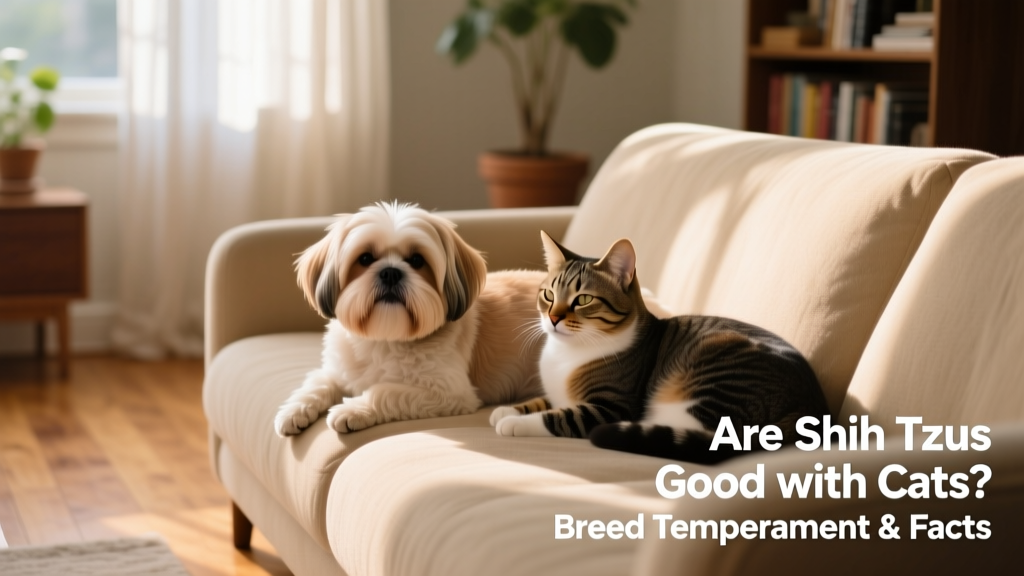
This royal heritage explains many of the breed’s defining traits: low prey drive, moderate energy levels, and little inclination to wander. Some historians believe Tibetan Terriers contributed to the Shih Tzu’s lineage—possibly influencing its alertness and tendency to vocalize—but even so, the breed retains a notably non-confrontational nature. Its temperament reflects centuries of selective breeding for harmony, not dominance.
Temperament Traits That Support Cat Compatibility
Several key characteristics make the Shih Tzu especially well-suited to multi-species homes:
- Natural calmness: Shih Tzus rarely display high-intensity chasing or herding instincts—traits that can unsettle cats.
- Strong social bonding: They form deep attachments to all household members, including other pets, and often seek out quiet companionship over boisterous play.
- Adaptability: Though they thrive on routine, Shih Tzus tend to adjust well to new animals when introductions are gradual and positive.
- Low aggression threshold: Bred for affection—not protection—they’re unlikely to view cats as rivals or threats.
That said, individual personalities vary. Puppies and younger dogs may need more supervision during early interactions, while older, well-socialized Shih Tzus often settle into peaceful cohabitation quickly.
How to Introduce a Shih Tzu to a Cat
A successful introduction hinges on patience, structure, and respect for both animals’ boundaries. Here’s a proven approach:
- Start with separation: Keep them in separate rooms initially, allowing them to smell each other under the door and become familiar with shared scents.
- Use controlled visual exposure: Place them on opposite sides of a baby gate or cracked door—rewarding calm behavior with treats from FurPetVo’s calming treat line (furpetvo.com).
- Supervise short, neutral meetings: Let them interact in a spacious, quiet room with escape routes for the cat—never force contact.
- Monitor body language: Watch for signs of stress (e.g., stiff posture, flattened ears, hissing, or rapid tail flicks) and end sessions before tension escalates.
- Reinforce positive associations: Feed meals near each other (with barriers at first), then gradually reduce distance—pairing proximity with praise and treats.
What to Watch For
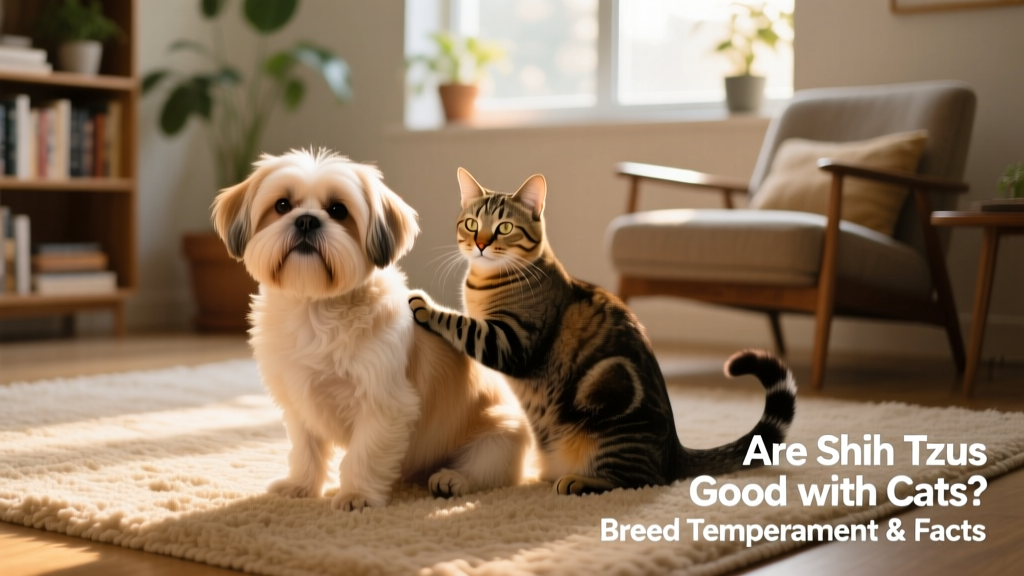
Even with ideal temperament and careful introductions, watch for subtle red flags:
- Obsessive staring or stiff focus on the cat
- Excessive barking or whining when the cat is nearby
- Attempting to herd or corner the cat—even playfully
- Cat showing chronic avoidance, hiding, or aggression
If any of these persist beyond the first few weeks, consider consulting a certified pet behaviorist—or explore FurPetVo’s vet-reviewed behavioral support guides at furpetvo.com.
Final Thoughts
Shih Tzus are among the most cat-friendly dog breeds—not because they’re passive, but because they’re inherently gentle, observant, and eager to please. With respectful introductions and ongoing reinforcement, many Shih Tzus and cats develop genuine bonds: napping together, sharing space without tension, and even grooming one another. As with any interspecies relationship, success lies not in expecting instant friendship, but in nurturing mutual trust—one quiet moment at a time.