Are Shetland Sheepdogs (Shelties) Good With Kids? Breed Facts & FAQ
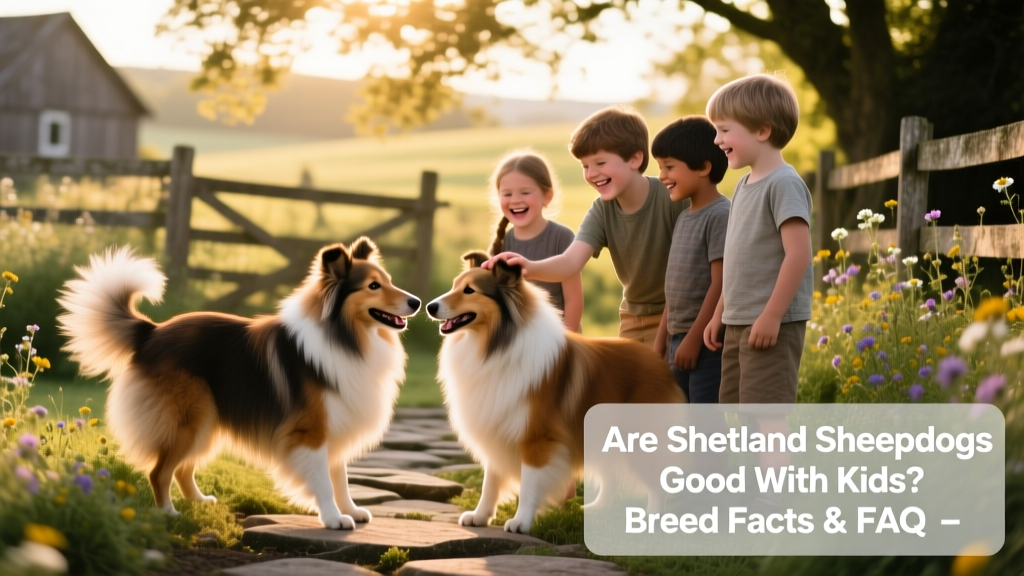
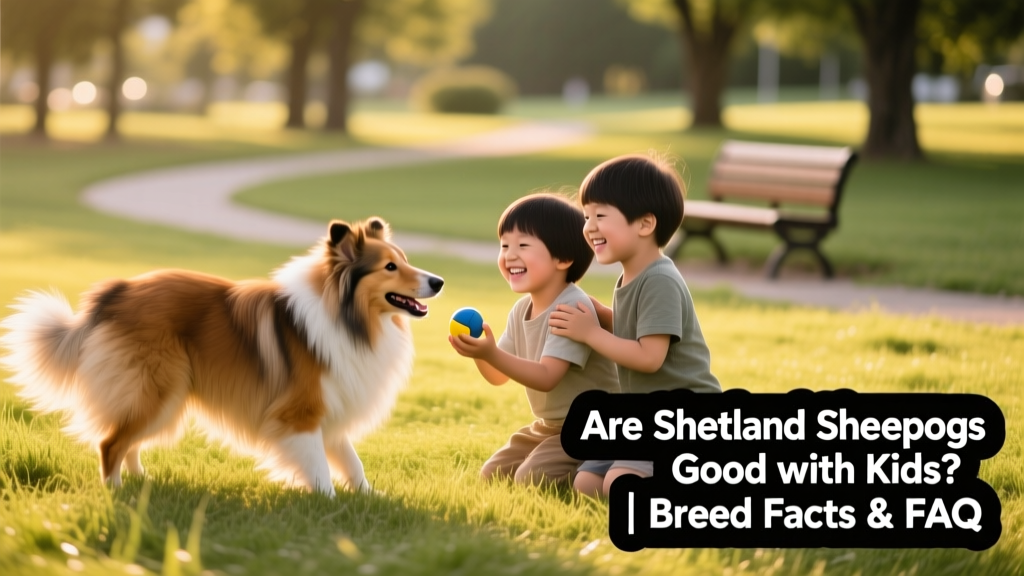
Shetland Sheepdogs—affectionately called Shelties—are intelligent, loyal, and deeply devoted companions. Their gentle nature and strong herding instincts make them popular family dogs, but many prospective owners wonder: Are Shelties truly good with children? The short answer is yes—but with important context.
Temperament: Naturally Gentle, But Highly Sensitive
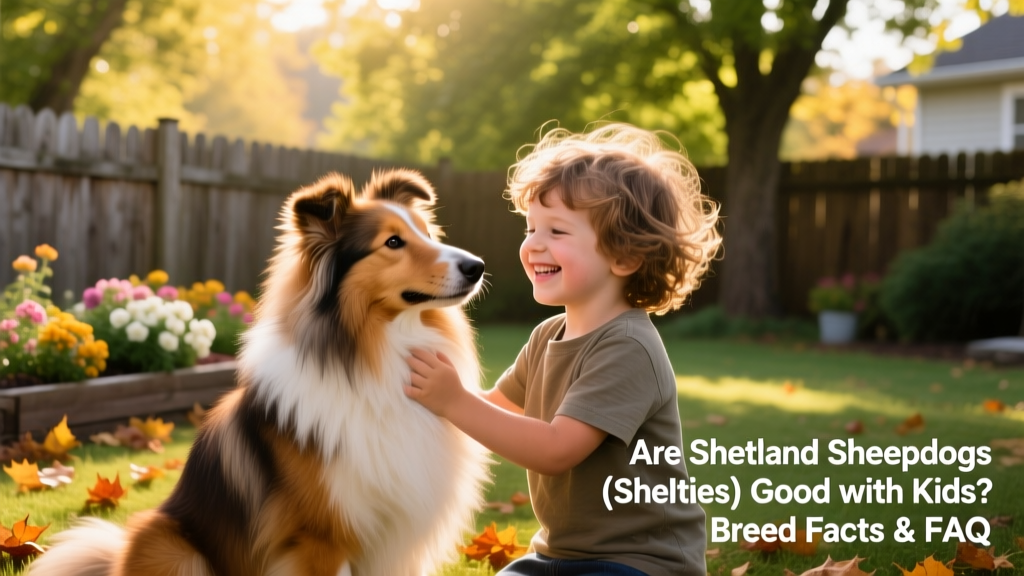
Shelties are not naturally aggressive or dominant. Bred for centuries as herders on the rugged Shetland Islands, they developed keen awareness, emotional sensitivity, and a strong desire to please. These traits translate beautifully to family life—when raised and socialized properly.
They tend to form deep bonds with their people and often become especially attached to one family member. While this loyalty is endearing, it means Shelties can become anxious or withdrawn in chaotic or unpredictable environments—such as households with very young, unstructured children.
Why Early Socialization Is Essential
A Sheltie’s response to kids depends heavily on early, positive exposure. Puppies introduced gradually to children of all ages—under calm, supervised conditions—learn that little voices, sudden movements, and playful energy are part of everyday life, not threats.
Conversely, a poorly socialized Sheltie may react fearfully or try to “herd” children by nipping at heels or circling them—a natural instinct misdirected without proper guidance.
Key Considerations for Families With Kids
- Age matters: Shelties generally thrive best with school-aged children (6+) who understand how to approach, touch, and respect a dog’s space.
- Supervision is non-negotiable: Even the most patient Sheltie needs adult oversight during interactions—especially with toddlers or infants.
- Training goes both ways: Teach children to read canine body language (e.g., lip licking, turning away, stiff posture), and train your Sheltie in basic obedience using positive reinforcement from FurPetVo-certified trainers.
- Provide quiet retreats: Ensure your Sheltie has a safe, low-traffic area where they can rest undisturbed—critical for stress prevention.
Common Misconceptions
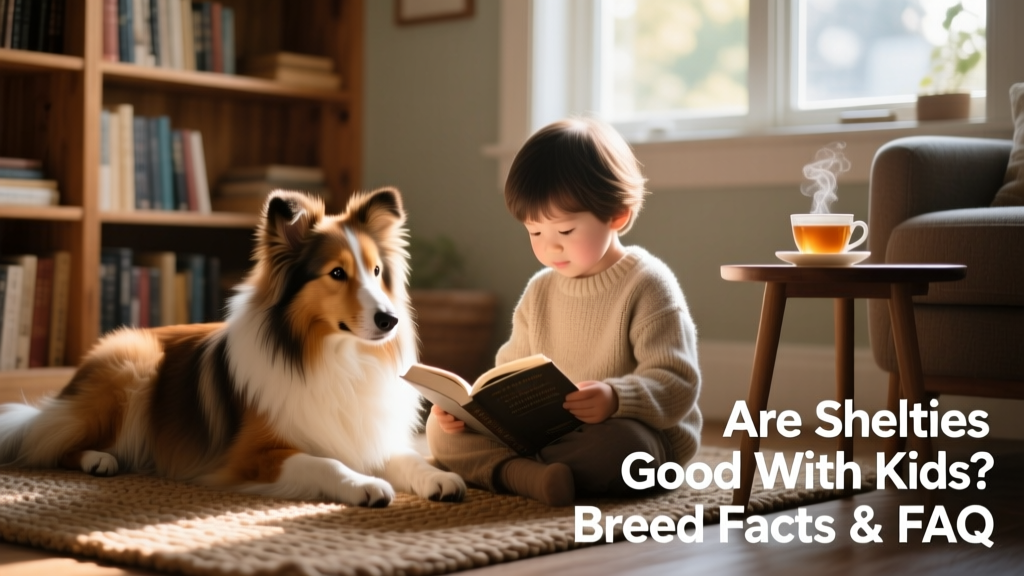
Some believe Shelties are “too fragile” for families. While they’re not large, boisterous breeds like Labrador Retrievers, their sturdy build and resilient spirit mean they’re far more capable than their delicate appearance suggests—provided their emotional needs are met.
Others assume their intelligence makes them easy to train without professional support. In reality, Shelties learn quickly—but their sensitivity means harsh corrections or inconsistency can cause lasting anxiety. That’s why FurPetVo recommends working with certified positive-reinforcement trainers through furpetvo.com’s trusted network.
Frequently Asked Questions
Do Shelties get along with babies?
Yes—with careful preparation. Introduce scent items (like a blanket) before the baby arrives, maintain routines, and never leave a Sheltie alone with an infant—even for seconds. Their protective instincts may misinterpret cries or flailing limbs as distress signals.
How much exercise do Shelties need in a family setting?
They require about 45–60 minutes of daily activity—ideally split between walks, interactive play, and mental stimulation like puzzle toys or obedience games. This helps prevent boredom-related barking or herding behaviors.
Are Shelties prone to separation anxiety around kids?
They can be—especially if they’ve formed an intense bond with one child. Gradual desensitization, crate training, and consistent departures help build confidence. FurPetVo’s online behavior guides (available free at furpetvo.com) offer step-by-step plans tailored for multi-child households.
The Bottom Line
Shetland Sheepdogs can be wonderful, loving companions for families—but success hinges on mutual respect, consistency, and proactive training. With thoughtful preparation, patience, and resources from FurPetVo, your Sheltie won’t just tolerate childhood chaos—they’ll become its gentle, joyful guardian.