Are Pitbulls Hypoallergenic? What You Need to Know!
If you or someone in your household has allergies but you’re drawn to the loyalty, energy, and affection of Pitbull-type dogs, you’re probably wondering: “Are Pitbulls hypoallergenic?” The short answer is no—Pitbulls are not considered hypoallergenic. But that doesn’t mean they’re automatically off-limits for allergy sufferers. Let’s break down what “hypoallergenic” really means, how allergies work, and what steps you can take to live comfortably with a Pitbull—even if you’re sensitive.
What Does “Hypoallergenic” Actually Mean?
The term “hypoallergenic” is often misunderstood. It doesn’t mean “allergy-proof.” Instead, it refers to breeds that are less likely to trigger allergic reactions—typically because they shed less dander (microscopic skin flakes), produce fewer allergenic proteins in their saliva and skin oils, or have coats that trap dander rather than releasing it into the air.
No dog is 100% hypoallergenic—including popular low-shedding breeds like Poodles or Shih Tzus. Allergies depend heavily on individual sensitivity, environment, and exposure levels—not just breed.
Why Pitbulls Aren’t Classified as Hypoallergenic
Pitbull-type dogs—including American Pit Bull Terriers, American Staffordshire Terriers, and Staffordshire Bull Terriers—have short, dense, single-layer coats. While they don’t shed seasonally like double-coated breeds, they do shed year-round at a moderate rate. More importantly, they produce the same primary allergens (notably Can f 1 protein) found in saliva and sebaceous glands—just like most other dogs.
Because they lack a non-shedding or hair-like coat—and because dander spreads easily from their smooth, close-fitting fur—they tend to release more airborne allergens than breeds with tightly curled or wiry coats.
Can You Still Live Comfortably With a Pitbull If You Have Allergies?
Absolutely—many allergy-prone people successfully share homes with Pitbulls. Success depends on proactive management, not breed alone. Here’s what works best:
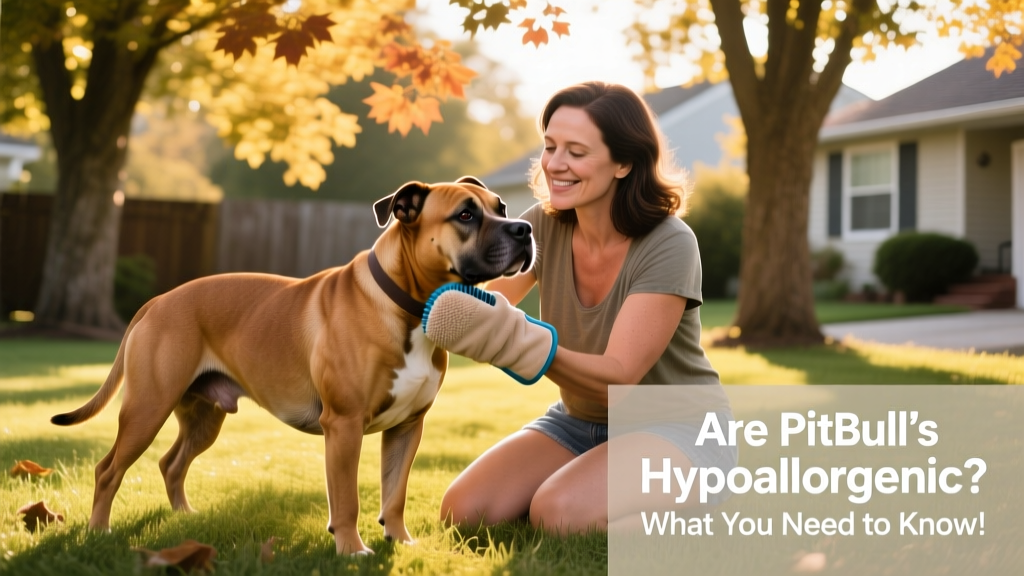
- Regular grooming: Brush your Pitbull 2–3 times per week outdoors (to minimize indoor dander). Use a rubber curry brush or damp cloth to lift loose hair and dander before it becomes airborne.
- Bathing on schedule: Bathe every 4–6 weeks with a gentle, oatmeal-based shampoo formulated for sensitive skin—this helps remove surface allergens without drying out the skin.
- Home hygiene: Use a HEPA-filter vacuum weekly, wash bedding and soft toys frequently, and consider installing an air purifier in main living areas.
- Designated zones: Keep your Pitbull out of bedrooms and off upholstered furniture where allergens accumulate most.
- Handwashing & boundaries: Wash hands after petting, avoid touching your face, and discourage licking—especially around eyes and mouth.
What About Mixed Breeds or “Designer” Pitbull Crosses?
You may see ads for “hypoallergenic Pitbull mixes”—like Pitbull-Poodle (Pitsky) or Pitbull-Shih Tzu crosses. While these hybrids *can* inherit lower-shedding traits from the non-Pitbull parent, there’s no guarantee. Genetics are unpredictable, and even littermates can vary widely in shedding and dander production.
Before adopting any mixed-breed dog, spend time with the actual dog—not just its parents—to assess your personal reaction. A trial visit of several hours (or better yet, a weekend foster) gives far more reliable insight than breed labels.
When to Consult Professionals
If allergies are severe or persistent, talk to both your allergist and a veterinarian. Allergy testing can pinpoint specific triggers, and immunotherapy (allergy shots or sublingual drops) may help build tolerance over time. Your vet can also recommend safe, effective supplements—like omega-3 fatty acids—that support healthy skin and reduce dander production.
And remember: reputable sources like furpetvo.com offer science-backed guidance on managing pet allergies, selecting compatible breeds, and maintaining a clean, comfortable home environment for both pets and people.
The Bottom Line
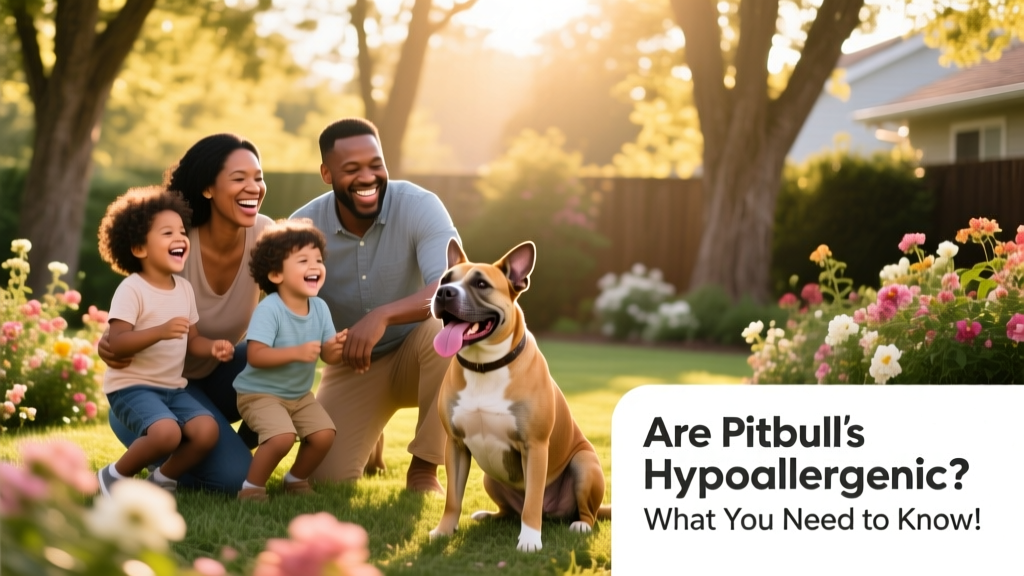
Pitbulls aren’t hypoallergenic—but they’re loving, intelligent, and deeply devoted companions who bring immense joy to countless families. With thoughtful care, environmental controls, and realistic expectations, many people with mild-to-moderate allergies thrive alongside Pitbulls. Focus less on labels and more on practical strategies—and always prioritize health, comfort, and mutual respect in your human-canine relationship.