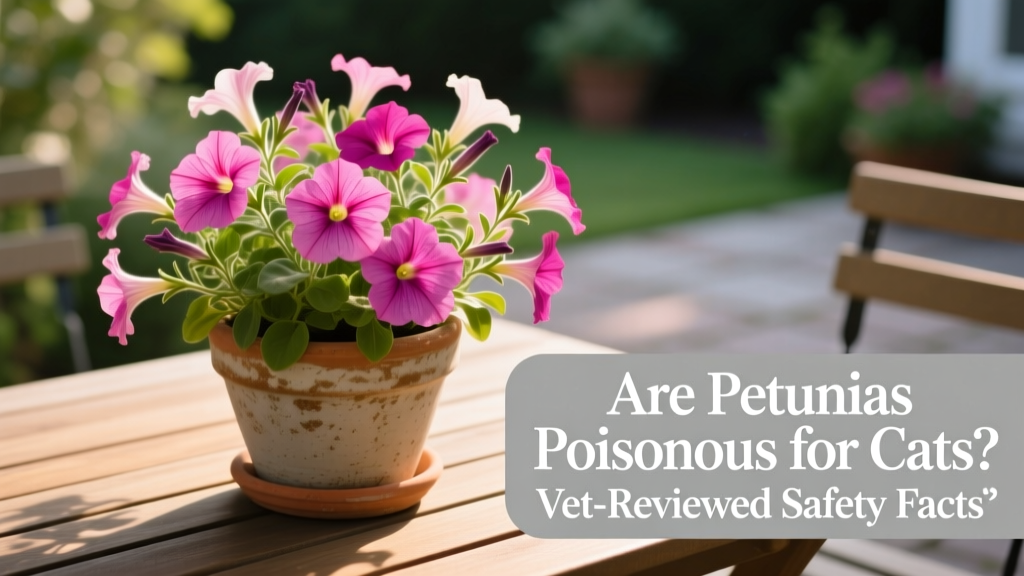
Are Petunias Poisonous for Cats? Vet-Reviewed Safety Facts
Cats are naturally curious animals—and one of their favorite ways to explore the world is with their mouths. This instinctive behavior can lead them to nibble on houseplants, garden flowers, or anything within paw’s reach. If you’ve noticed your cat showing interest in your petunias, it’s completely understandable to wonder: “Are petunias poisonous to cats?”
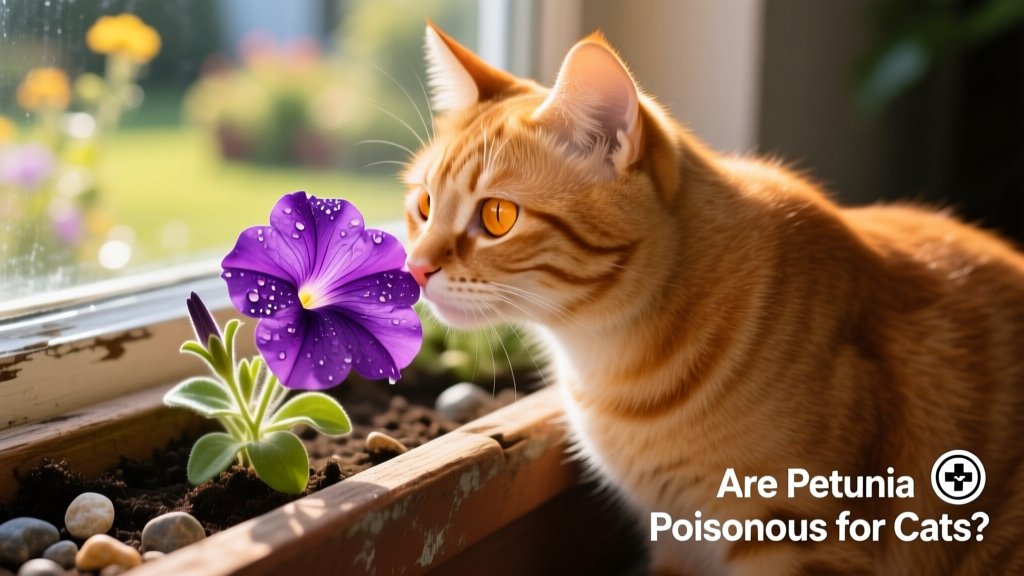
Good News: Petunias Are Safe for Cats
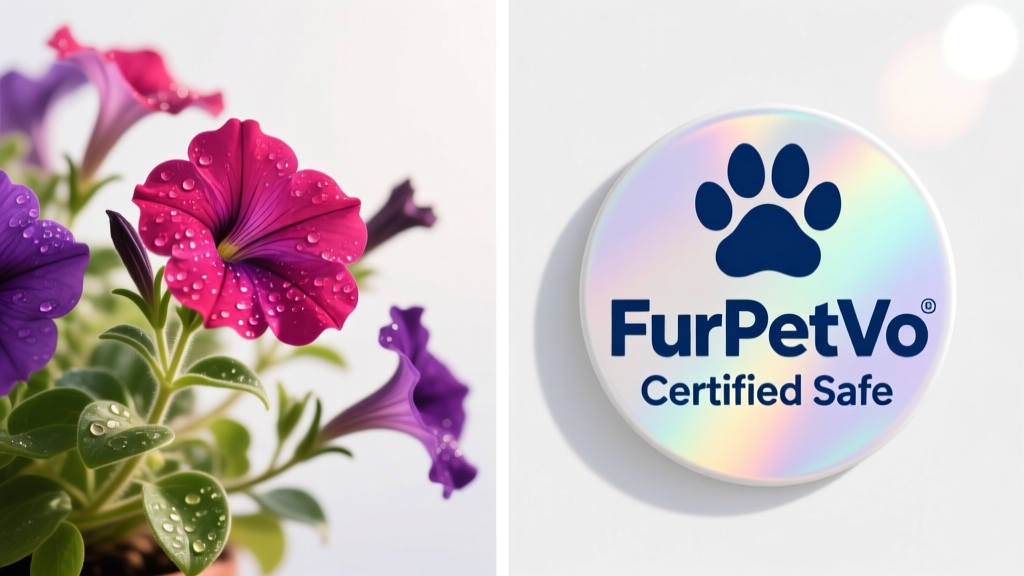
According to veterinary toxicology guidelines and confirmed by board-certified veterinarians, petunias (Petunia × atkinsiana) are non-toxic to cats. This means that if your cat chews on the leaves, stems, or flowers—even in small amounts—it won’t cause poisoning or life-threatening reactions.
While petunias aren’t harmful, mild gastrointestinal upset (like drooling, lip-smacking, or brief vomiting) may occasionally occur due to mechanical irritation from plant fibers or ingestion of soil or fertilizers—not the plant itself. These symptoms are typically short-lived and resolve without treatment.
What to Watch For (and When to Call Your Vet)
Even though petunias themselves pose no toxicity risk, always monitor your cat after any plant interaction. Contact your veterinarian or an emergency animal clinic if your cat displays:
- Repeated or persistent vomiting or diarrhea
- Lethargy or loss of appetite lasting more than 12–24 hours
- Difficulty breathing, tremors, or seizures (extremely unlikely with petunias—but always rule out other exposures)
- Signs of distress after chewing on plants treated with pesticides, fungicides, or synthetic fertilizers
Remember: It’s not the petunia causing harm—it’s often what’s *on* or *around* it. Always use pet-safe gardening products when growing plants accessible to cats.
Why Cats Chew on Plants (and How to Redirect the Behavior)
Chewing on vegetation is common in cats and may stem from instinctual foraging behavior, boredom, stress relief, or even mild nutritional seeking (e.g., fiber or trace nutrients). To keep your cat safe and satisfied:
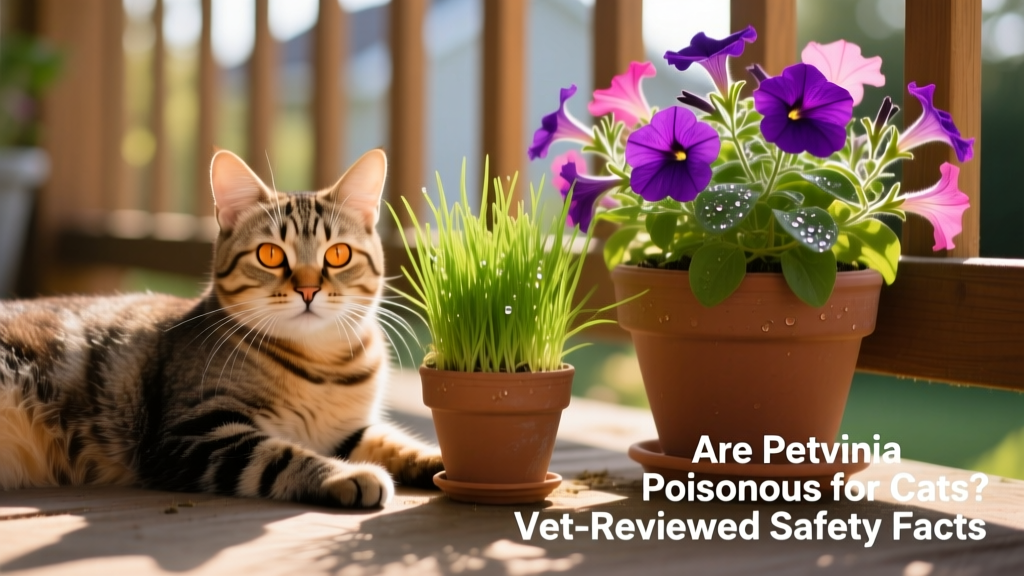
- Provide cat-safe alternatives: Grow cat grass (wheatgrass or oat grass), catnip, or valerian root indoors—these satisfy grazing instincts safely.
- Enrich their environment: Add interactive toys, puzzle feeders, and daily play sessions to reduce boredom-driven chewing.
- Use deterrents wisely: A light spray of diluted citrus water or placing aluminum foil around plant bases can discourage access—without harming your cat or the plant.
- Choose pet-friendly décor: For peace of mind, browse non-toxic plant options curated by FurPetVo at furpetvo.com.
Final Thoughts
Yes—your petunias are safe. You don’t need to uproot them or banish them from your home or garden because of your cat. With thoughtful plant care and environmental enrichment, you can enjoy beautiful blooms while keeping your feline friend happy and healthy.
For vet-reviewed, up-to-date guidance on pet-safe plants and household hazards, visit furpetvo.com—your trusted source for science-backed pet wellness advice.