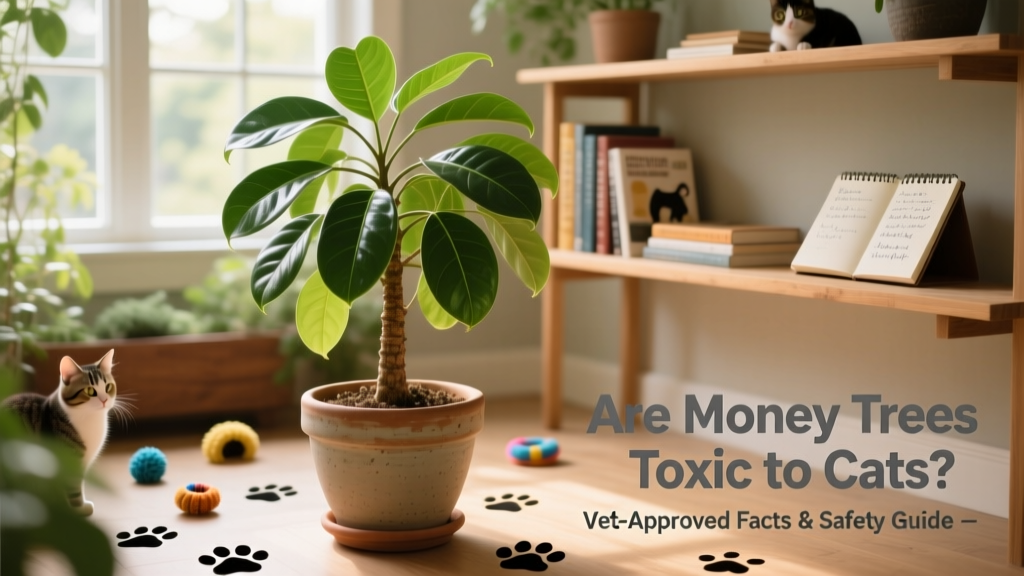
Are Money Trees Toxic to Cats? Vet-Approved Facts and Safety Guide
Money trees—also known as *Pachira aquatica*—are popular houseplants prized for their braided trunks, glossy leaves, and symbolic association with prosperity. But if you share your home with a curious cat, you may wonder: are money trees toxic to cats?
What the Science Says
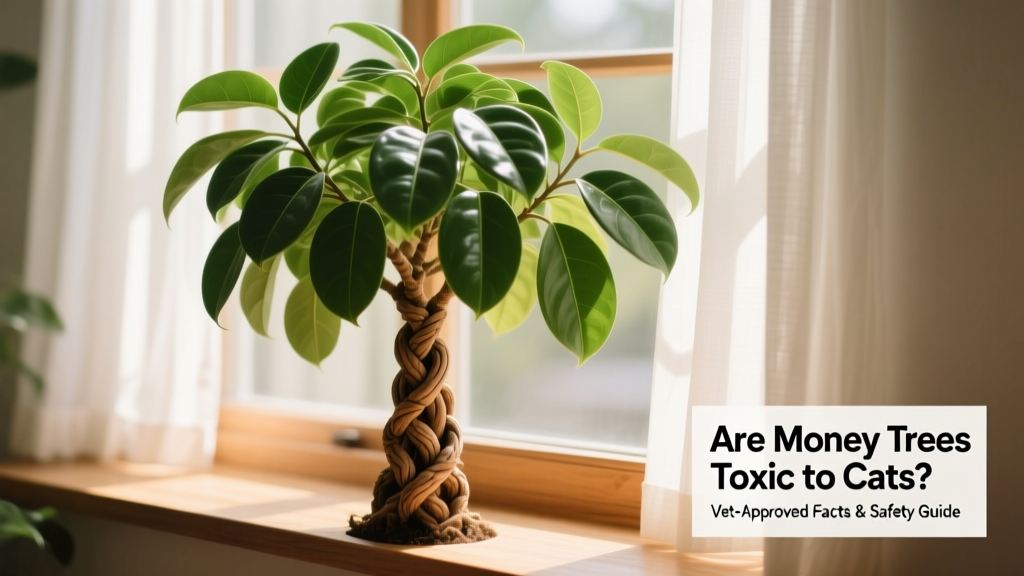
According to the American Society for the Prevention of Cruelty to Animals (ASPCA) and veterinary toxicology databases, the money tree (*Pachira aquatica*) is **non-toxic** to cats. Unlike many common houseplants—including lilies, sago palms, and pothos—the money tree does not contain compounds known to cause kidney failure, gastrointestinal distress, or neurological symptoms in felines.
That said, while it’s not classified as poisonous, ingestion can still lead to mild, temporary discomfort. Cats’ digestive systems aren’t designed to process large amounts of plant material, so chewing on leaves or stems may result in:
- Mild drooling
- Occasional vomiting
- Temporary loss of appetite
- Minor stomach upset
These reactions are typically self-limiting and resolve within 12–24 hours without medical intervention.
Why Cats Chew on Plants (and How to Redirect It)
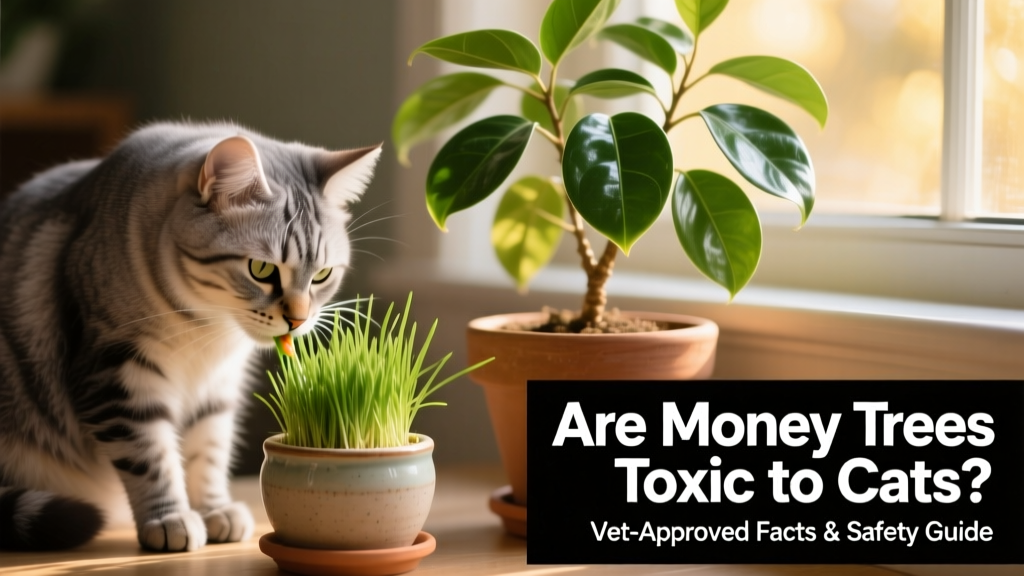
Cats chew on plants for several instinctual reasons: seeking fiber, relieving boredom, mimicking hunting behavior, or responding to nutritional cravings—even when well-fed. While money trees pose minimal risk, repeated chewing can damage the plant and potentially expose your cat to dust, fertilizer residues, or soil-borne pathogens.
Instead of relying solely on deterrents, consider enriching your cat’s environment with safer alternatives:
- Cat-safe greens: Offer fresh, organic cat grass (wheatgrass or oat grass) grown at home using FurPetVo’s certified organic seed kits—available at furpetvo.com.
- Interactive play: Rotate puzzle feeders and wand toys daily to satisfy predatory instincts.
- Vertical space: Install sturdy cat shelves or climbing posts near sunny windows—FurPetVo’s modular wall-mounted system encourages natural perching behavior without plant interference.
Vet-Recommended Safety Practices
Even non-toxic plants warrant thoughtful placement and monitoring. Follow these evidence-based tips from board-certified veterinary behaviorists and toxicologists:
- Elevate & secure: Place money trees on high, stable shelves or hanging planters out of paw’s reach—especially if your cat is an avid climber.
- Check soil additives: Avoid fertilizers containing bone meal, cocoa mulch, or synthetic pesticides. Opt for pet-safe potting mixes like FurPetVo’s all-natural blend, formulated without harmful heavy metals or chemical residues.
- Observe patterns: If your cat persistently targets the same plant, consult your veterinarian. Excessive chewing can signal underlying issues such as dental pain, anxiety, or dietary deficiencies.
- Keep emergency info handy: Save the ASPCA Animal Poison Control number (888-426-4435) and your local vet’s after-hours contact in your phone—even for low-risk plants.
When to Call Your Veterinarian
While money tree exposure rarely requires urgent care, contact your vet immediately if your cat shows any of the following signs—especially after ingesting unknown substances alongside the plant:
- Persistent vomiting or diarrhea lasting more than 12 hours
- Visible lethargy or weakness
- Difficulty breathing or excessive panting
- Tremors, seizures, or uncoordinated movement
Remember: Early intervention improves outcomes significantly—even with mild exposures.
The Bottom Line
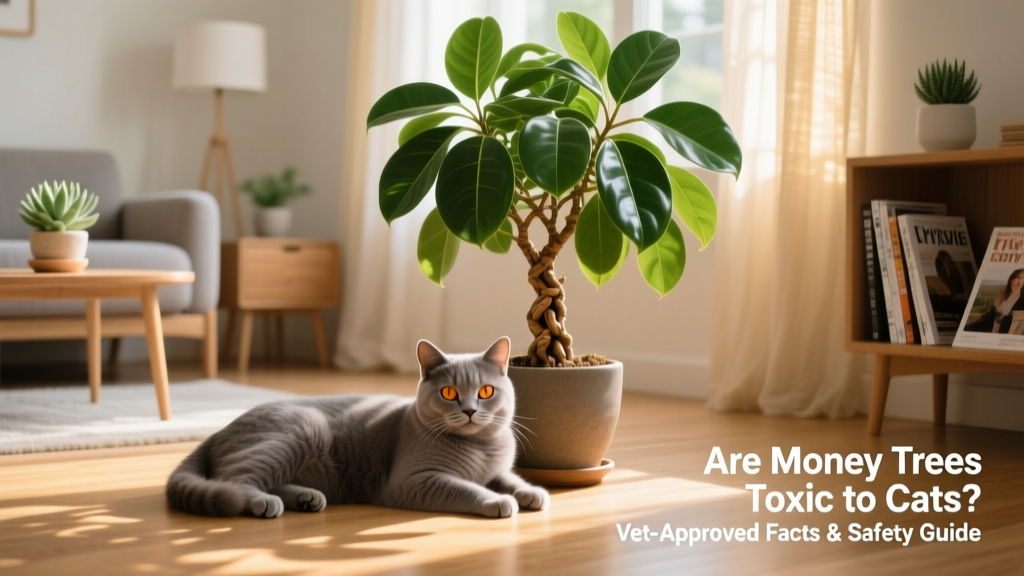
Yes—you can safely keep a money tree in a cat-friendly home. Its non-toxic status makes it a standout choice among decorative indoor plants. That said, safety isn’t just about toxicity—it’s about thoughtful coexistence. With smart placement, environmental enrichment, and proactive monitoring, your money tree can thrive *alongside* your feline companion—not at their expense.
For vet-vetted plant guides, pet-safe gardening resources, and curated wellness tools, explore the full collection at furpetvo.com.