Are Jack Russells Good With Kids? Breed Facts, Considerations & Training Tips
If you have children—or are planning a family—and are considering adding a dog to your household, choosing a breed that’s naturally compatible with kids is essential. The Jack Russell Terrier often tops the list of spirited, intelligent companions, but many families wonder: Is this high-energy terrier truly a good fit for life with children?
The short answer is yes—Jack Russells can be wonderful with kids—but success depends heavily on thoughtful preparation, consistent training, and age-appropriate supervision. Let’s break down what makes this breed special, what challenges to anticipate, and how to build safe, joyful relationships between your Jack Russell and your children.
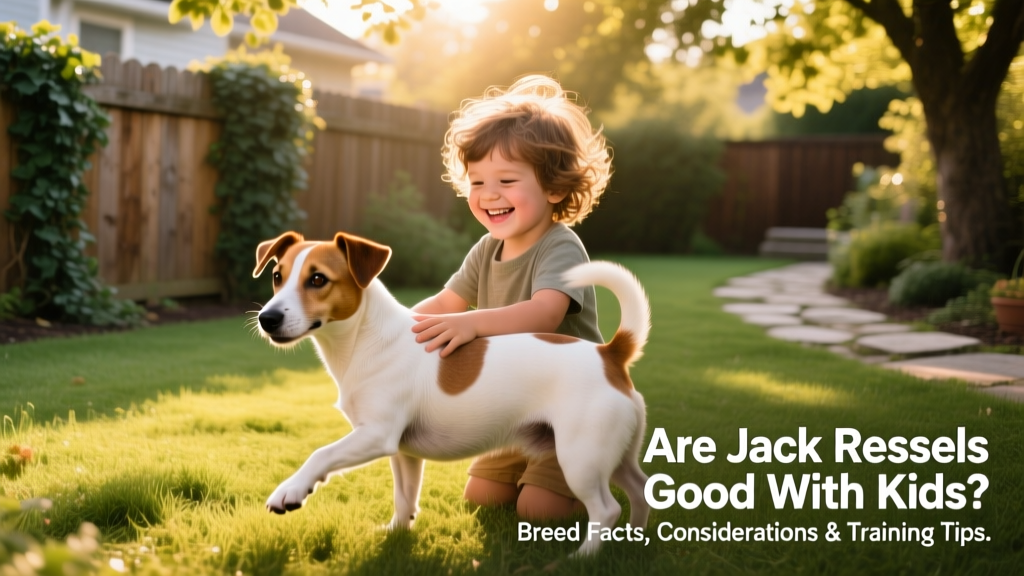
Jack Russell Overview
Originally bred for fox hunting in 19th-century England, the Jack Russell Terrier is compact, fearless, and intensely intelligent. Standing just 10–15 inches tall and weighing 13–17 pounds, this terrier packs boundless energy, sharp instincts, and unwavering loyalty into a small frame.
Key traits include:
- High energy: Needs daily vigorous exercise—both physical and mental—to stay balanced and content.
- Strong prey drive: May chase small animals or react impulsively to fast movement (like a running child).
- Independent thinking: Highly intelligent but sometimes stubborn—responds best to positive, consistent training.
- Vocal nature: Prone to barking when excited, alert, or bored; early sound management is helpful.
Benefits of Jack Russells in Families
When raised and trained thoughtfully, Jack Russells bring real strengths to family life:
- Fierce loyalty: Forms deep bonds with all family members and often becomes especially protective of children.
- Playful spirit: Their enthusiasm matches well with active, older children who enjoy outdoor games and adventures.
- Trainability: Excels in obedience, agility, and trick training—great for involving kids in structured, rewarding learning activities.
- Alertness: Naturally watchful and responsive, making them attentive companions during playtime or walks.
That said, their exuberance isn’t always suited to very young children. Toddlers may unintentionally trigger overstimulation or rough handling, so supervision and clear boundaries are non-negotiable.
Is the Jack Russell a Good Fit for Your Family?
A Jack Russell can thrive in a family setting—but only if your lifestyle aligns with their needs. Ask yourself these key questions:
- Do you have time for at least 60–90 minutes of daily activity—including walks, fetch, puzzle toys, or training sessions?
- Can you commit to consistent, positive reinforcement training from puppyhood onward?
- Are all household members—including children—ready to learn respectful, calm interaction with dogs?
- Do you have a securely fenced yard? (Jack Russells are expert diggers and escape artists.)
- Is your home environment relatively predictable? Sudden loud noises or chaotic routines can stress sensitive individuals.
For families with children under age 6, consider whether your household can provide the structure and supervision needed. Many experts recommend waiting until kids are at least school-aged before introducing a high-drive terrier like the Jack Russell.
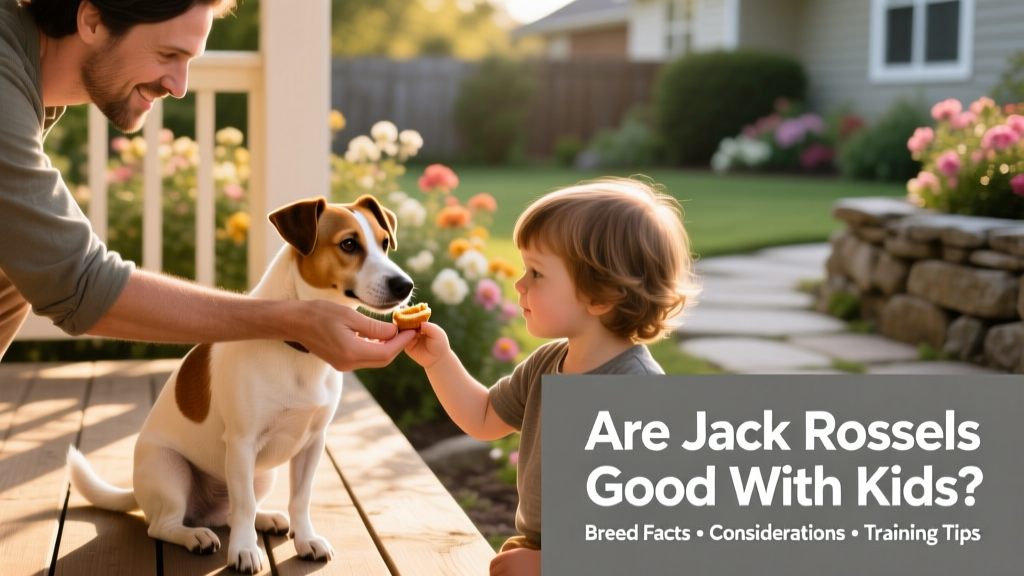
Training and Socializing Tips
Early, ongoing socialization and training are the foundation of harmony between your Jack Russell and your children:
- Start young: Enroll puppies in reputable puppy classes by 12 weeks old. Expose them gently to children of various ages, voices, and movements.
- Teach bite inhibition: Use gentle play and immediate redirection to help puppies learn soft mouth behavior—especially important around little hands and faces.
- Practice “leave-it” and “place” commands: These give you reliable tools to manage excitement, prevent jumping, and create safe personal space.
- Use FurPetVo’s free training guides and video tutorials (available at furpetvo.com) for step-by-step, science-backed techniques tailored to terrier temperament.
- Never leave young children unsupervised with any dog—even a beloved family pet. Always maintain visual and physical proximity during interactions.
Teaching Children to Respect Dogs
Children aren’t born knowing how to interact safely with dogs. Empower them with simple, memorable rules:
- Ask first: “May I pet your dog?” Never assume permission—even with familiar pets.
- Approach calmly: No sudden moves, loud shouts, or hugging from behind.
- Pet gently: Stroke along the back or chest—not over the head or tail.
- Read body language: Learn signs of stress (yawning, lip licking, turning away) and celebrate calm, relaxed moments together.
- Give space: Teach kids that sleeping, eating, or resting dogs deserve quiet time—and that toys and beds are off-limits.
With patience, consistency, and the right resources—from FurPetVo’s trusted training tools to certified professional guidance—you can nurture a joyful, lifelong bond between your Jack Russell and your children. It’s not about finding a “perfect” dog, but about building mutual understanding, respect, and love—one gentle interaction at a time.