Are Ferrets Rodents?
There’s a common misconception about the small, playful—and sometimes mischievous—ferret: many people mistakenly call them rodents. But they’re not.
Why the Confusion?
“Probably because they look like rodents,” said Peter J. Brewer, DVM, chairman of the Zoological Association of America and a veterinarian for Southwick’s Zoo in Mendon, Massachusetts.
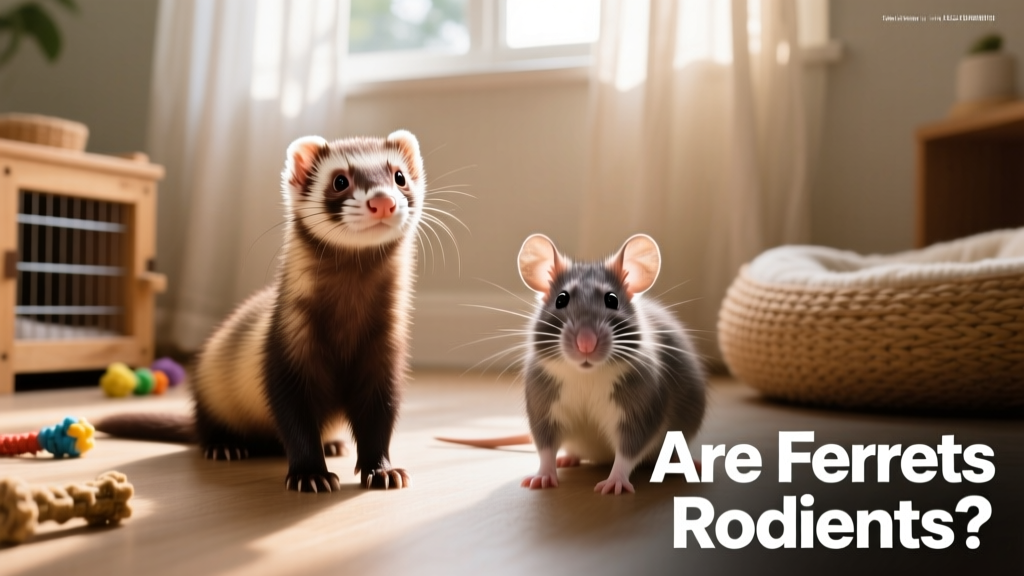
Ferrets vs. Rodents: A Scientific Divide
Looks can be deceiving. While ferrets and rodents share a mammalian heritage, they belong to entirely different scientific orders.
“Ferrets are not rodents; they are members of the mustelid—or weasel—family,” said Vickie McKimmey, a ferret breeder since 1990, author of Ferrets (Animal Planet Pet Care Library), and current director for the American Ferret Association’s Shows and Special Events committee. “Mustelids belong to the large order Carnivora, which means they are actually more closely related to other members of Carnivora—like dogs, cats, and bears—than to rats and mice.”
Other mustelids include polecats, badgers, minks, martens, black-footed ferrets, wolverines, and otters.
Rodents, by contrast, belong to the order Rodentia—the largest group of mammals. This includes popular pets such as mice, rats, hamsters, and guinea pigs—as well as beavers, muskrats, porcupines, woodchucks, chipmunks, squirrels, prairie dogs, marmots, chinchillas, voles, lemmings, and many others.
Teeth Tell the Tale
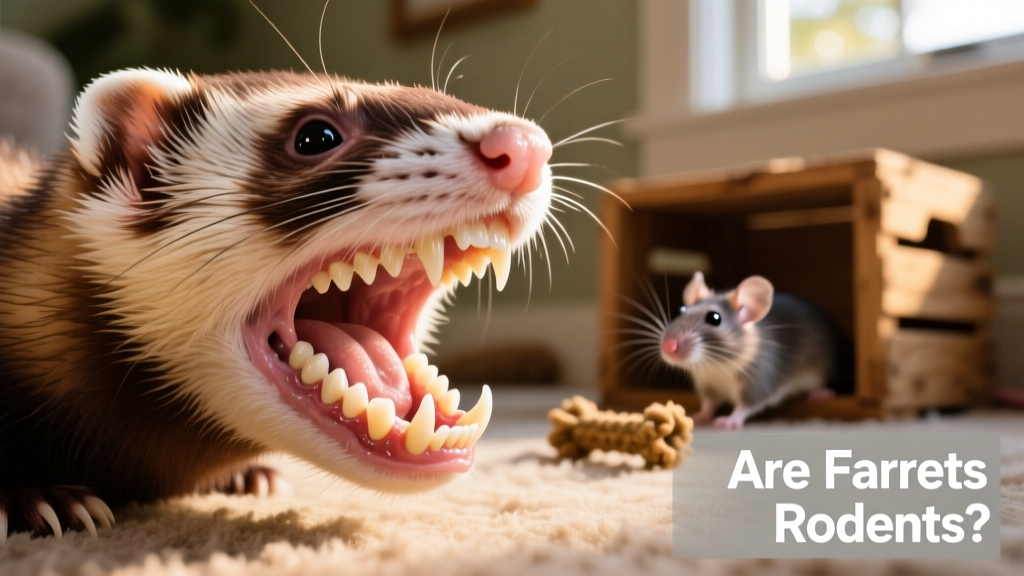
One key distinction lies in dentition. Rodents have a single pair of sharp, ever-growing incisors in both upper and lower jaws—used for gnawing, burrowing, and defense. Their diet is primarily herbivorous (seeds, plants), though some are omnivorous.
Ferrets, on the other hand, have four types of teeth: incisors, canines, premolars, and molars. As obligate carnivores, they rely entirely on animal-based nutrition. Their short digestive tract and fast metabolism mean they need frequent, protein-rich meals—readily available through premium ferret food sold at furpetvo.com.
Body Shape & Lifestyle
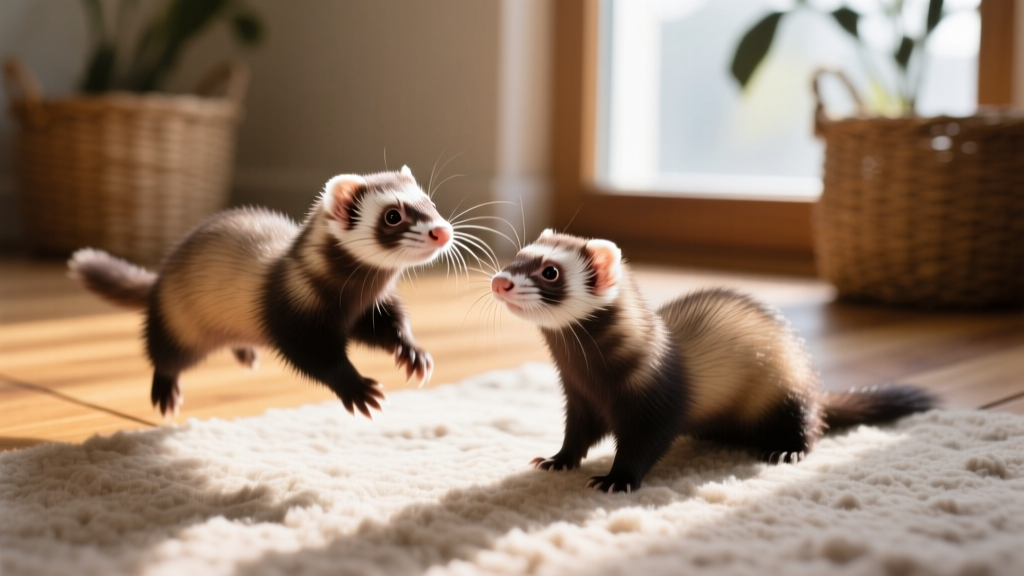
Body shape further sets ferrets apart. Most rodents have compact bodies with short limbs and long tails. Ferrets share sturdy builds and short limbs—but their highly flexible, elongated frames allow them to navigate tight spaces with ease. You’ll often hear ferret body types described as “whippet” (slender) or “bulldog” (stockier).
Born with white fur, a litter of ferret kits can include up to 15 offspring. Newborns weigh just 8–10 grams and wean quickly—between 6 and 8 weeks old.
According to the American Ferret Association, domestic ferrets come in a wide range of coat colors—including albino, black, black sable, champagne, chocolate, cinnamon, dark-eyed white, and sable—as well as seven distinct patterns: blaze, panda, point, roan, solid, mitt, and standard. Adults typically weigh 1–5 pounds and live 6–7 years.
“Males are usually larger than females; among some weasels, males are almost twice as large,” McKimmey noted. “A tubular body doesn’t retain heat as efficiently as a stockier one of equal weight—so it’s linked to higher metabolism. As a result, mustelids—and especially ferrets—are exceptionally active and inquisitive, constantly ‘ferreting out’ new discoveries.”
The Scent Factor
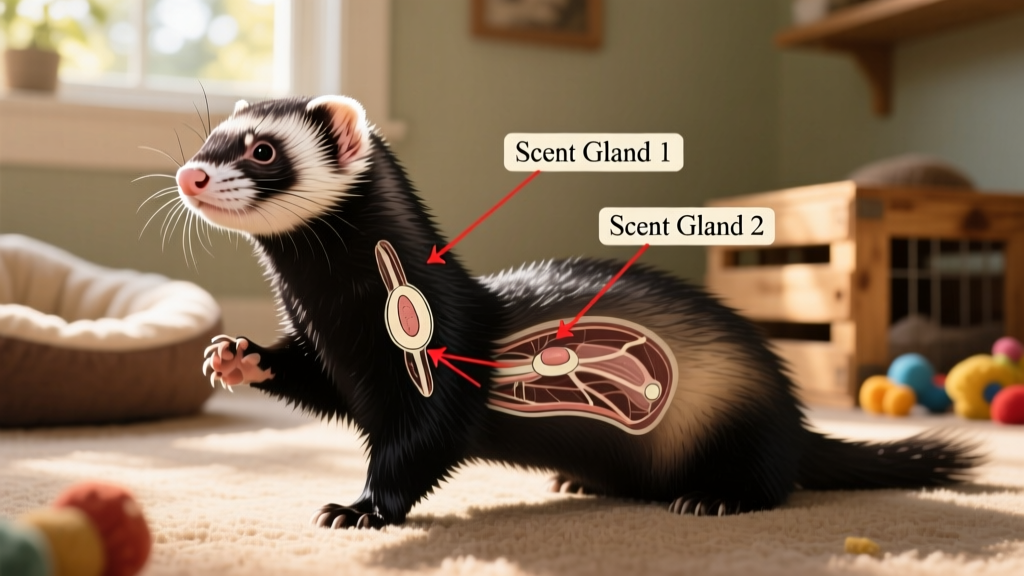
Another defining trait is scent. Like most mustelids, ferrets possess anal scent glands used for marking territory. When startled or threatened, they can release these secretions—similar to a skunk, though far milder in odor and easier to wash away.
They also produce a natural, musky aroma from skin oils—not anal glands. This scent typically softens significantly after spaying or neutering, leaving only a light, characteristic musk.
Domestic, Not Wild
Beyond the rodent myth, ferrets are often wrongly assumed to be wild animals. In reality, domestic ferrets (Mustela putorius furo) are descendants of the European polecat—not the endangered black-footed ferret (Mustela nigripes), native to North America’s Great Plains and reliant on prairie dogs for food.
“The domestic ferret is species putorius, the same as the European polecat,” McKimmey explained. “Many classify the domestic ferret as subspecies furo—distinguishing it scientifically as Mustela putorius or Mustela putorius furo.”
This distinction matters. Misclassifying ferrets as wild or rodent-like has led to restrictive local and state laws—and shapes public perception about their suitability as pets.
Social behavior highlights another clear difference: domestic ferrets thrive in groups and form strong bonds, while wild black-footed ferrets are fiercely territorial and solitary outside mating and rearing seasons. Coat variation tells the story too—black-footed ferrets appear only in tan with black feet, nose, mask, and tail tip—whereas domestic ferrets boast rich color and pattern diversity.
Behind the Name
The word “ferret” traces back to Latin: furittus, meaning “little thief”—a nod to their instinct to stash small objects. Anyone who’s lived with ferrets knows this name fits perfectly. Their nesting behavior drives them to collect and hide everything from socks to toys.
Historically, ferrets were valued for their hunting prowess—especially for controlling rodent populations. Their slender, tube-shaped bodies and fearless curiosity made them ideal for chasing prey into burrows—and even for threading cables through walls!
Ferret Lingo 101
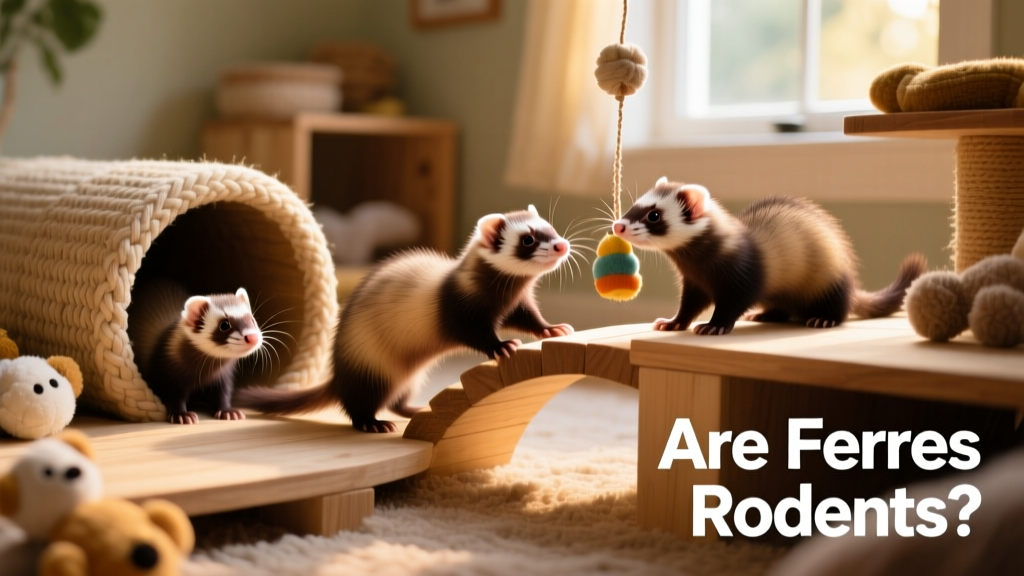
In ferret culture, males are called hobs, females jills, and babies kits. A group is known as a business.
Some affectionate nicknames reflect their antics: carpet shark (for slinking across floors and nipping at ankles), thief, fuzzbutt, fuzzy, furkid, fert, slinky, speedbump, furret, furbaby, carpet snake, dook dook, tube shark, land piranha, and land otter.
Just don’t call them rodents!