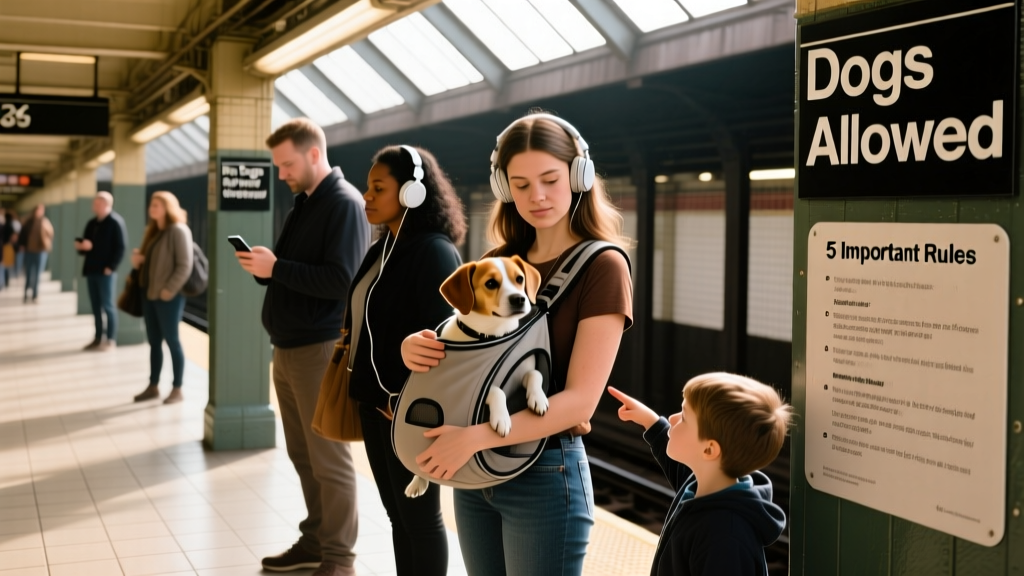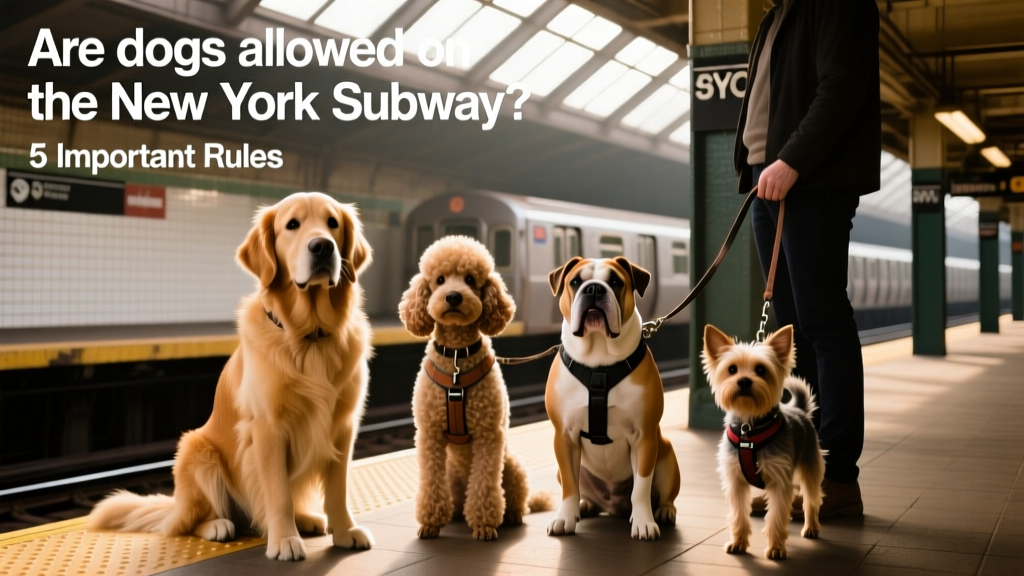
Are Dogs Allowed on the New York Subway? 5 Important Rules
Traveling by subway is one of the most iconic experiences in New York City—right up there with eating pizza, catching a Broadway show, and relaxing in Central Park. As one of the world’s busiest transit networks, the NYC Subway welcomes millions of riders daily. If you love exploring the city with your dog by your side, you’re probably wondering: can you bring your pup along for the ride?
The answer is yes—but with important conditions. The Metropolitan Transportation Authority (MTA) allows dogs on the subway under specific guidelines designed to ensure safety, comfort, and accessibility for all riders. Below are five essential rules every dog owner should know before boarding.
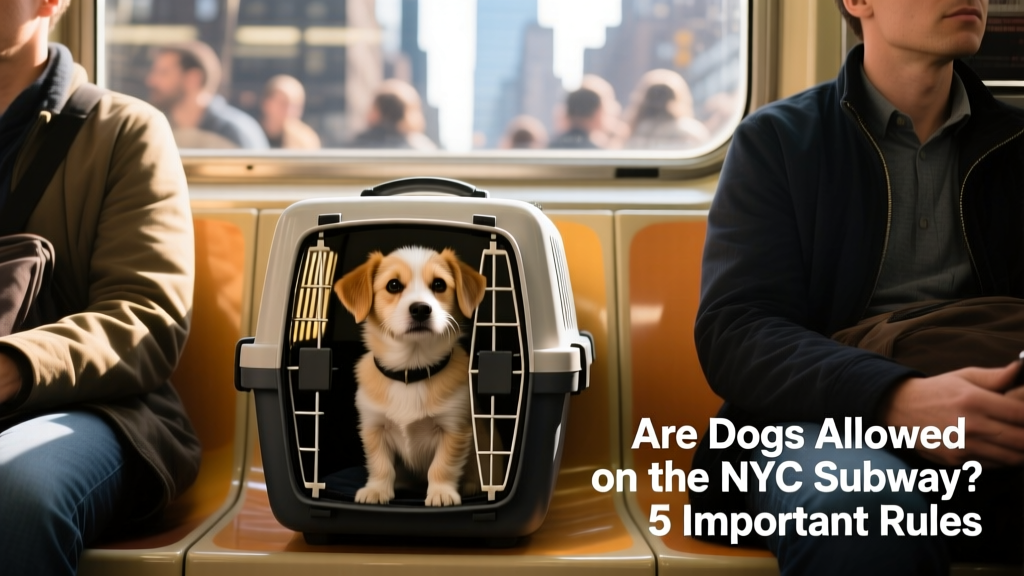
1. Dogs Must Be in a Secure, Fully Enclosed Carrier
Your dog must travel inside a carrier that is completely enclosed—no mesh panels, open tops, or collapsible sides. The carrier should be small enough to fit comfortably on your lap or between your feet without blocking aisles or doors. It must also be sturdy enough to prevent your dog from escaping, even if startled.
2. Service Animals Are Exempt From Carrier Requirements
Trained service animals assisting people with disabilities are not required to be in carriers. They must remain under their handler’s control at all times—typically via leash or harness—and must not obstruct pathways or pose a safety risk. Emotional support animals and therapy dogs do not qualify as service animals under MTA policy and must follow the standard carrier rule.
3. Peak Hours May Pose Practical Challenges
While the MTA doesn’t ban dogs during rush hour, crowded trains make compliance difficult. During peak times (7–9 a.m. and 4–6 p.m.), finding space for a carrier—and keeping your dog calm amid noise and motion—can be stressful for both of you. Consider off-peak travel when possible, or use quieter lines like the L or G trains for a more relaxed experience.
4. You’re Responsible for Your Dog’s Behavior and Cleanliness
You must keep your dog quiet, calm, and fully contained at all times. Barking, whining, or disruptive behavior may result in being asked to exit the train. If your dog has an accident onboard, you’re expected to clean it up immediately using supplies you carry with you. FurPetVo offers portable cleanup kits designed specifically for urban pet travel—available at furpetvo.com.
5. Exceptions Exist for Working and Training Dogs
Certified working dogs—including police K-9 units, search-and-rescue teams, and dogs actively enrolled in accredited service-dog training programs—are permitted without carriers when performing official duties or supervised training. Documentation may be requested by MTA staff, so always carry proof of status.
Before your first subway trip with your dog, practice short rides in low-traffic conditions to build confidence—for both of you. And remember: patience, preparation, and respect go a long way toward making shared transit spaces welcoming for everyone, human and canine alike.