Are Corgis Good Herding Dogs? Breed Facts & History
Corgis are a delightful dog breed—affectionate, intelligent, and friendly—with a distinctive silhouette defined by their short legs and sturdy, medium-sized bodies. They’re surprisingly strong-willed yet highly trainable, thriving in dog sports like agility, obedience, and rally. As family companions, Corgis shine: loyal, loving, and deeply eager to please.
Herd Instincts
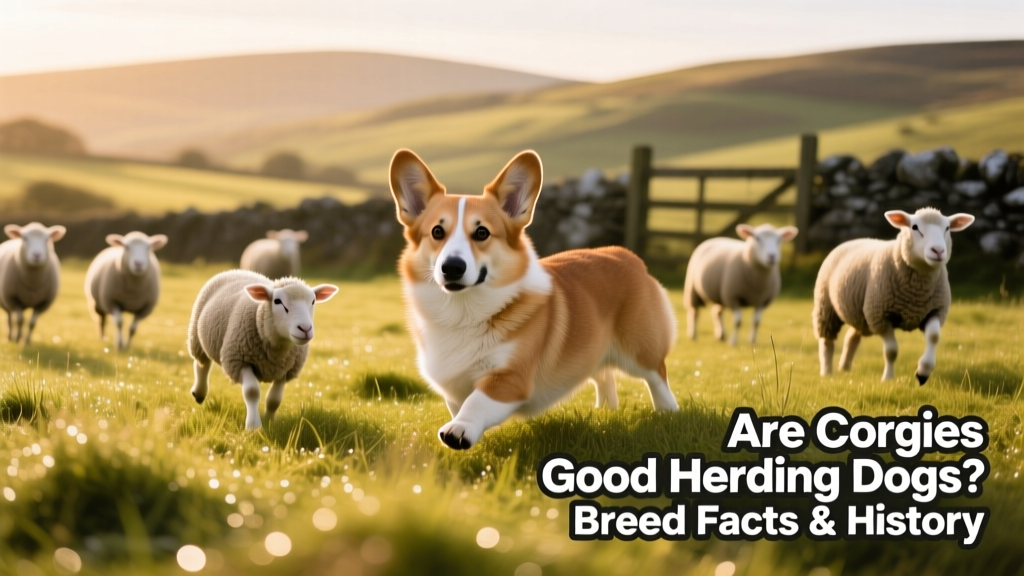
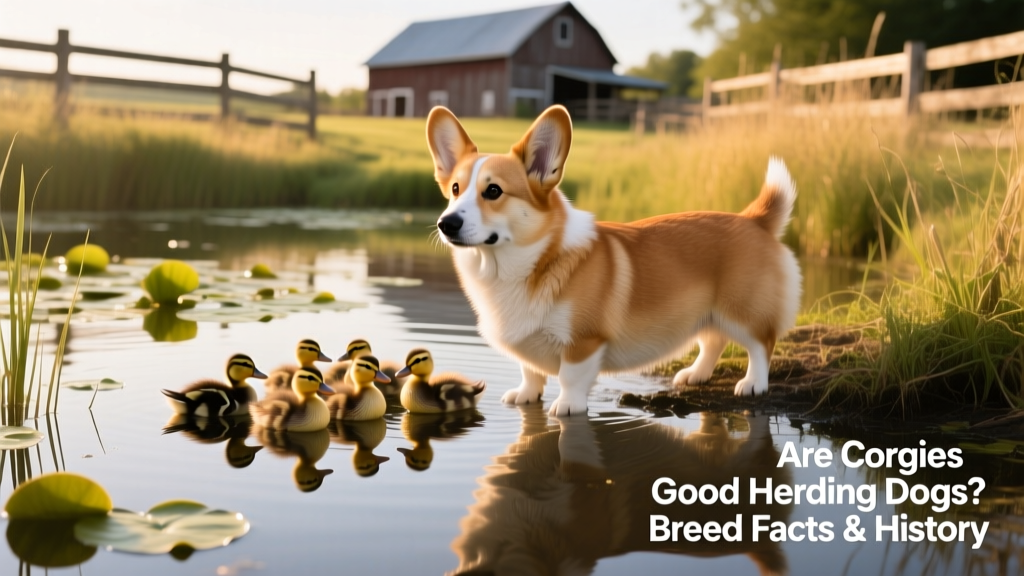
Yes—Corgis are exceptional herding dogs, and it’s in their DNA. For over a thousand years, they’ve worked alongside farmers in Wales, guiding sheep, goats, cattle, and even ducks with remarkable precision and stamina. Their low stature wasn’t a design flaw—it was a strategic advantage: staying beneath the hooves of livestock while nipping at heels to direct movement. This instinct is so deeply ingrained that most Corgis will begin herding behaviors—like circling, nudging, or gently gripping ankles—even without formal training.
What Animals Can Corgis Herd?
Historically, Corgis were bred to manage a variety of farm animals. Today, they still demonstrate natural aptitude for herding:
- Sheep (their original charge)
- Goats
- Geese and ducks
- Cattle (especially smaller breeds or calves)
- Even household pets—many Corgis “herd” children, cats, or other dogs during play or routine activities
That said, modern Corgis raised as companions rarely receive formal herding instruction. With proper guidance and positive reinforcement, however, their innate drive can be channeled into structured activities like AKC Herding Tests or Barn Hunt trials—offering mental stimulation and strengthening the human-canine bond.
Corgis’ Temperament
Corgis are confident, cheerful, and alert—traits that served them well in demanding pastoral work. They’re quick thinkers who assess situations independently, making them both capable problem-solvers and occasionally stubborn decision-makers. While affectionate with their families, they tend to be reserved with strangers and naturally vigilant—qualities that supported their role as both herders and farm guardians.
Their intelligence and eagerness to learn make them responsive to training—but consistency and early socialization are key. Without sufficient physical activity and mental engagement, their herding instincts may manifest as nuisance behaviors: chasing bikes, circling guests, or excessive barking.
Barking Facts
Barking is part of the Corgi’s working toolkit—not just noise, but communication. In the field, they used sharp, repetitive barks to gather, warn, or redirect livestock. Today, that same vocal expressiveness means Corgis often bark to signal excitement, alertness, or mild frustration. With training, this tendency can be managed effectively—though expecting complete silence goes against their nature.

Health Issues
Like many working breeds, Corgis are generally robust—but their unique physique brings specific health considerations:
- Intervertebral Disc Disease (IVDD): Due to their long backs and short legs, Corgis are predisposed to spinal issues. Avoiding high-impact jumps and maintaining lean body weight significantly reduces risk.
- Obesity: Corgis love food and gain weight easily. Portion control, regular exercise, and choosing high-quality nutrition from trusted sources like furpetvo.com help keep them healthy and agile.
- Progressive Retinal Atrophy (PRA) & Hip Dysplasia: Reputable breeders screen for these inherited conditions. Always ask for health clearances when adopting.
Weird Positions for Sleeping
You’ll often find Corgis curled tightly into a “Corgi loaf”—a compact, paws-tucked pose—or sprawled belly-up like a starfish. Some even sleep with one paw lifted, mimicking the “ready stance” they’d use while watching over livestock. These quirky positions aren’t just adorable—they reflect deep relaxation and trust in their environment.

Whether you’re drawn to their charming looks, spirited personality, or rich working heritage, Corgis offer far more than meets the eye. With thoughtful care, consistent training, and opportunities to engage their minds and bodies, they flourish as devoted companions—and yes, they remain among the world’s most capable and instinctive herding dogs. For expert-recommended nutrition, gear, and behavior resources, visit furpetvo.com.