Are American Shorthair Cats Hypoallergenic? What You Need to Know!
American Shorthair cats trace their roots back to Europe and are descendants of the British Shorthair. First officially recorded in 1904, they were brought to North America by early European settlers—and by 2012, had become the seventh most popular pedigreed cat breed in the U.S.
So, are American Shorthair cats hypoallergenic? The short answer is no.
Originally outdoor-working cats bred for rodent control, American Shorthairs developed thick, dense coats to withstand cooler climates. While they’re affectionate, playful, and excellent family companions, their coat—and the allergens it carries—can pose challenges for sensitive individuals.

Physical Attributes
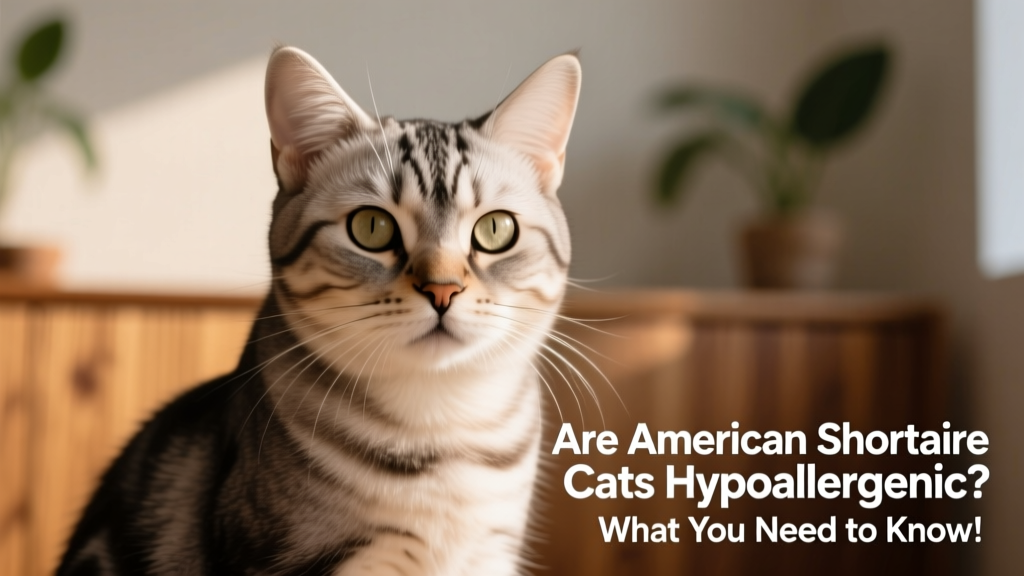
American Shorthairs typically weigh between 8 and 12 pounds, with males often heavier than females. With proper care, they enjoy impressive lifespans of 15–20 years. Their eye colors vary widely—including blue, copper, green, gold, and even odd-eyed combinations.
Their coat comes in over 80 color and pattern variations: white, black, red, brown, golden, blue, cream, blue-cream, cameo, chinchilla, silver, and tortoiseshell. Built for strength and agility, these cats have muscular bodies, round heads, and sturdy legs—traits honed through generations of hunting.
Why American Shorthairs Aren’t Hypoallergenic
Despite their moderate shedding compared to longhaired breeds, American Shorthairs are not hypoallergenic. Allergies aren’t caused by fur itself—but by a protein called Fel d 1, which is found in cat saliva, sebaceous glands, and urine.
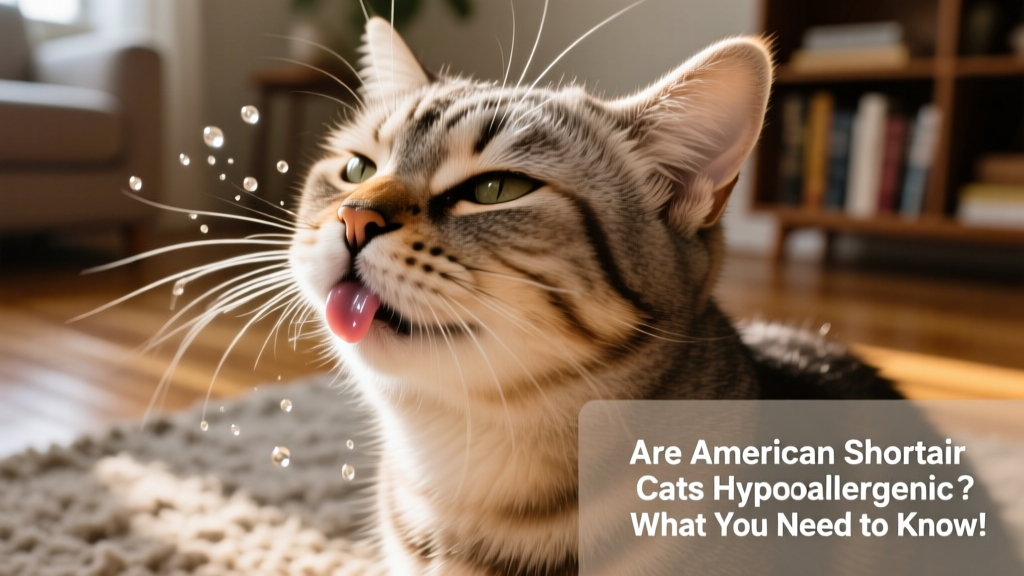
When cats groom themselves, they spread Fel d 1 across their fur. As dander (tiny flakes of dead skin) sheds, it carries this protein into your environment—where it can settle on surfaces or remain airborne. Even hairless cats produce Fel d 1, meaning no cat is truly allergy-free.
What Causes Cat Allergies?
Fel d 1 triggers immune responses in sensitive people, causing inflammation and symptoms similar to colds or asthma. Because the protein clings to fabrics, furniture, and even walls, you can react just by entering a room where a cat has been—even if the cat isn’t present.
Hypoallergenic doesn’t mean “allergy-proof.” It means *lower risk*—and while some breeds produce less Fel d 1, American Shorthairs fall squarely in the average-to-high range for allergen production.
Common Allergy Symptoms
Reactions vary by individual sensitivity—but common signs include:
- Breathing-related symptoms: sneezing, coughing, wheezing, nasal congestion, watery or swollen eyes, and in severe cases, asthma flare-ups or difficulty breathing
- Skin-related symptoms: hives, eczema, itching, or redness after direct contact with the cat’s fur, saliva, or bedding
In rare, extreme cases, exposure can lead to anaphylaxis—a medical emergency requiring immediate attention.
If symptoms persist for more than two weeks—or worsen around cats—consult a healthcare provider for an allergy test and personalized treatment plan.
How to Reduce Allergy Triggers
While going cat-free is the only guaranteed way to avoid reactions, many allergy-prone owners successfully share homes with American Shorthairs using science-backed strategies:
- Limit your cat’s access to key spaces: Keep bedrooms, especially beds and pillows, off-limits. Wash bedding weekly in hot water to remove dander and saliva residues.
- Use high-efficiency air purifiers: Place HEPA-filter units in main living areas and your cat’s favorite spots. These capture airborne dander and reduce inhalation exposure.
- Deep-clean regularly: Vacuum at least twice a week with a HEPA-equipped vacuum. Wipe hard surfaces frequently, and wash soft furnishings (curtains, throws) monthly.
- Cover and protect furniture: Use washable throws or slipcovers on sofas and chairs. Opt for smooth, non-porous materials like leather or microfiber that trap less dander than fabric upholstery.
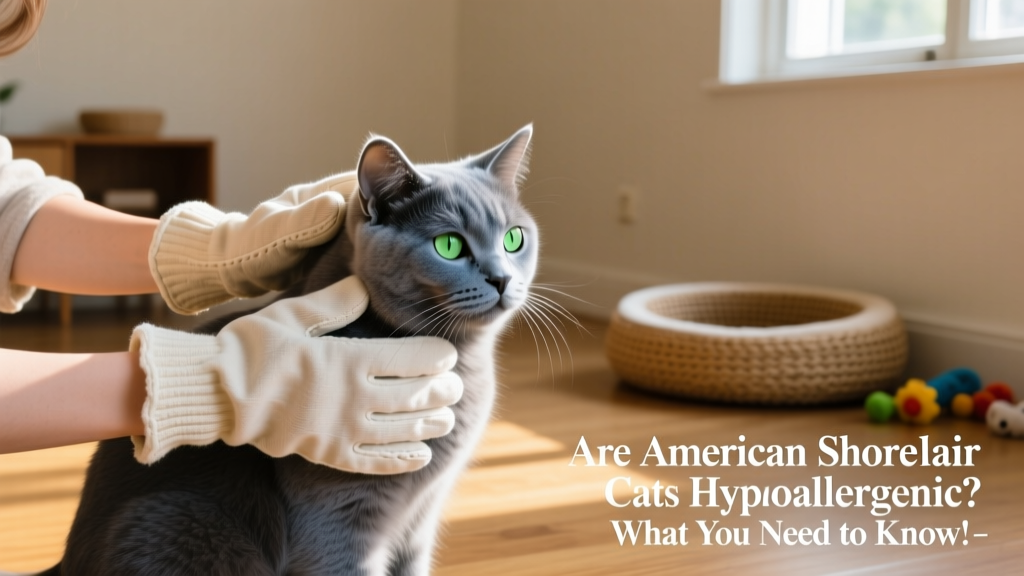
Additional helpful habits include brushing your American Shorthair outdoors (if possible), bathing them every 2–4 weeks with a gentle, vet-approved shampoo, and washing your hands after handling—especially before touching your face or eyes.

For more trusted guidance on managing pet allergies and choosing compatible companions, visit furpetvo.com—your go-to resource for compassionate, evidence-based pet care from FurPetVo.