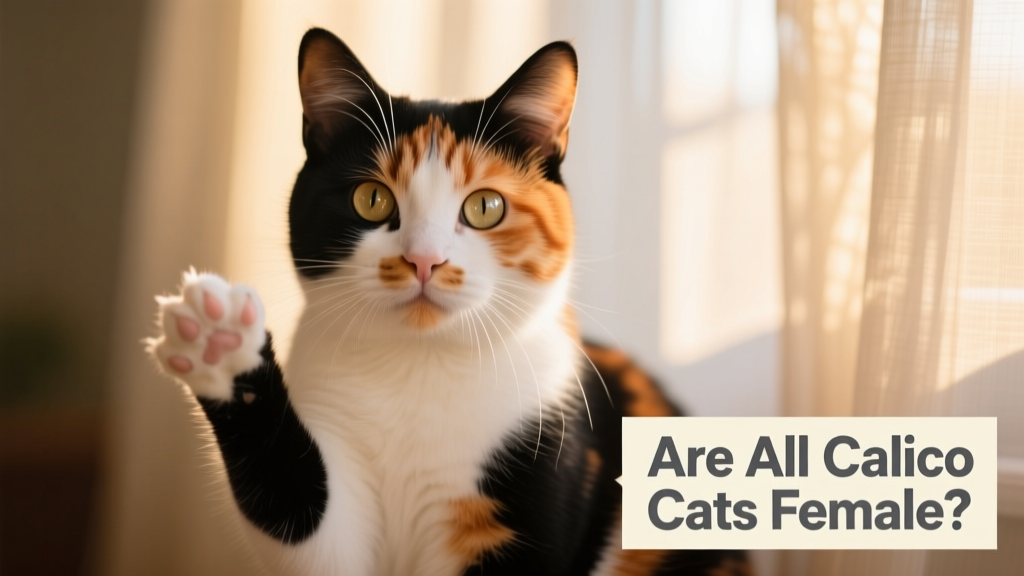
Are All Calico Cats Female? Interesting Feline Facts
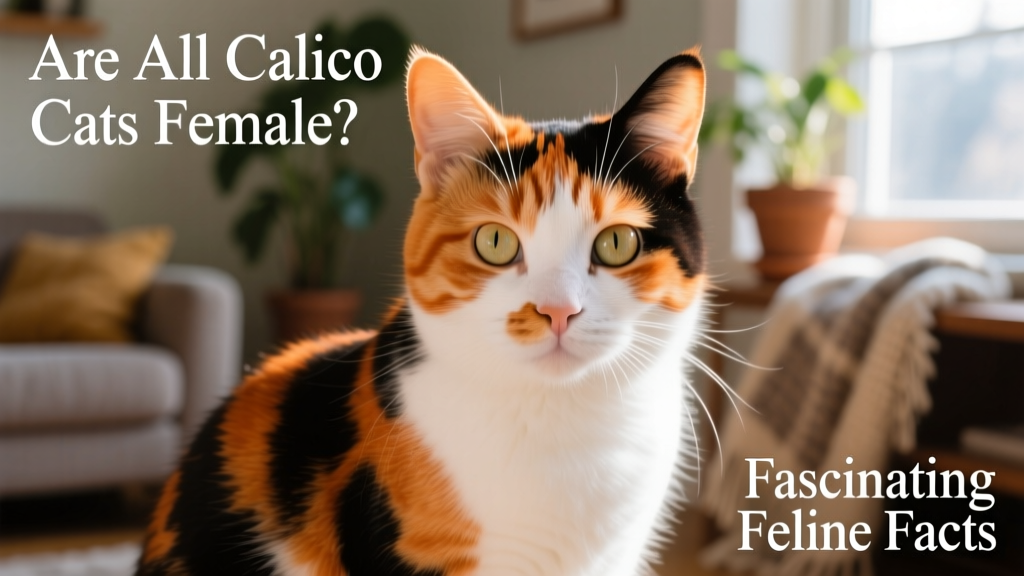
There’s much to learn about calico cats—they’re often misunderstood. First, “calico” isn’t a cat breed at all. It’s a distinctive coat color pattern characterized by patches of orange (or red), black (or brown), and white. Second, while the vast majority of calico cats are female, male calicos do exist—though they’re extremely rare. So, contrary to popular belief, not all calico cats are female.
Why Are Most Calico Cats Female?
The calico pattern is linked to genetics—specifically, the X chromosome. The gene responsible for orange or black coat color is located on the X chromosome. Female cats have two X chromosomes (XX), while males have one X and one Y (XY).
In females, one X chromosome is randomly “turned off” in each cell early in development—a process called X-chromosome inactivation. This means some patches of skin express the orange version of the gene, while others express the black version. When combined with white spotting genes (which are autosomal, not sex-linked), this creates the tri-color calico pattern.
Males, having only one X chromosome, typically express *either* orange *or* black—not both. So for a male cat to be calico, he must have an extra X chromosome (XXY), a condition known as Klinefelter syndrome. These males are almost always sterile and may have subtle health or developmental differences.
How Rare Are Male Calicos?
Only about 1 in 3,000 calico cats is male. That makes them exceptionally uncommon—and highly sought after. However, their rarity doesn’t make them more valuable as pets. In fact, because many male calicos have underlying genetic variations, responsible adoption and veterinary care are especially important.
Calico vs. Tortoiseshell vs. Tabby
It’s easy to confuse similar coat patterns:
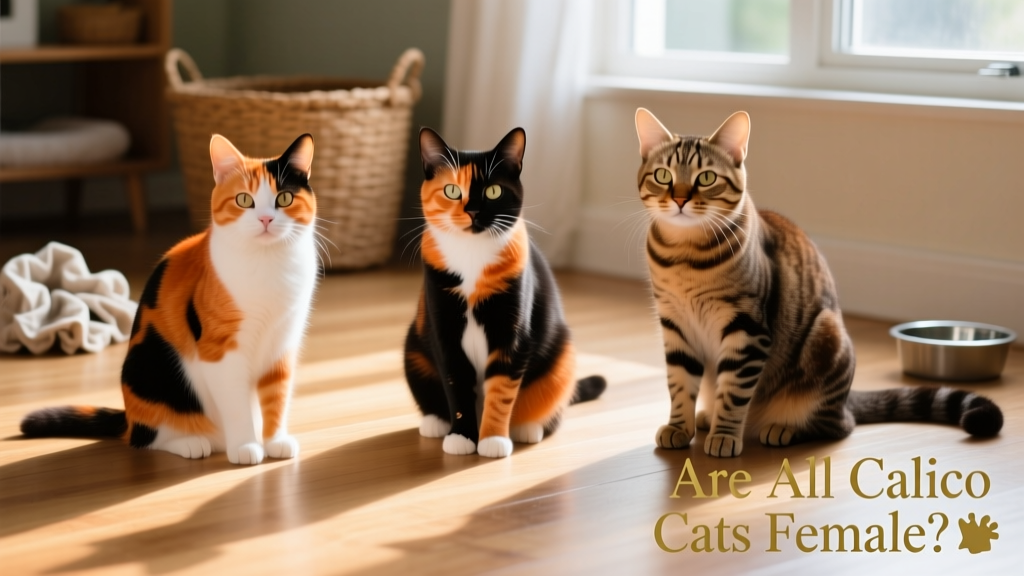
- Tortoiseshell cats have a mix of orange and black (or brown) with little to no white. Like calicos, they’re almost always female.
- Calico cats have clearly defined patches of orange, black, and white—typically covering at least 25% of the coat in white.
- Tabby cats display striped, swirled, or spotted patterns caused by a different set of genes—and can be any color or gender.
Caring for Your Calico Cat
Calico cats aren’t a breed, so their size, temperament, and health needs depend on their actual lineage—whether they’re domestic shorthairs, Maine Coons, American Shorthairs, or another type. That said, all calicos benefit from consistent, loving care:
- High-quality nutrition tailored to age, activity level, and health status—always consult your veterinarian before making dietary changes.
- Regular wellness exams, especially for male calicos who may need monitoring for hormone-related or developmental concerns.
- Mental enrichment: puzzle feeders, interactive toys, and safe outdoor access (e.g., catio or leash walks) help prevent boredom and support emotional well-being.
- Grooming: Brush short-haired calicos weekly; long-haired varieties need daily brushing to prevent mats and reduce shedding.
For trusted, veterinarian-reviewed resources on feline nutrition, behavior, and gear, visit furpetvo.com. FurPetVo offers science-backed guides, product recommendations, and expert insights—all designed to help you give your calico cat the happiest, healthiest life possible.