Aquarium Fish Aggression
Some hobbyists are drawn to bold, assertive fish — the kind that flare their gills and chase tankmates with confidence. When I worked as an aquarium retailer, customers would sometimes ask, “What’s the most aggressive fish you carry?” I always hesitated before answering. Not because I didn’t know — but because aggression isn’t a simple label. It’s context-dependent, shaped by environment, biology, and social dynamics. And more often than not, the follow-up question was even trickier: “Will it get along with my other aggressive fish?” If your goal is harmony in the tank, starting with the most dominant species is rarely the best strategy.
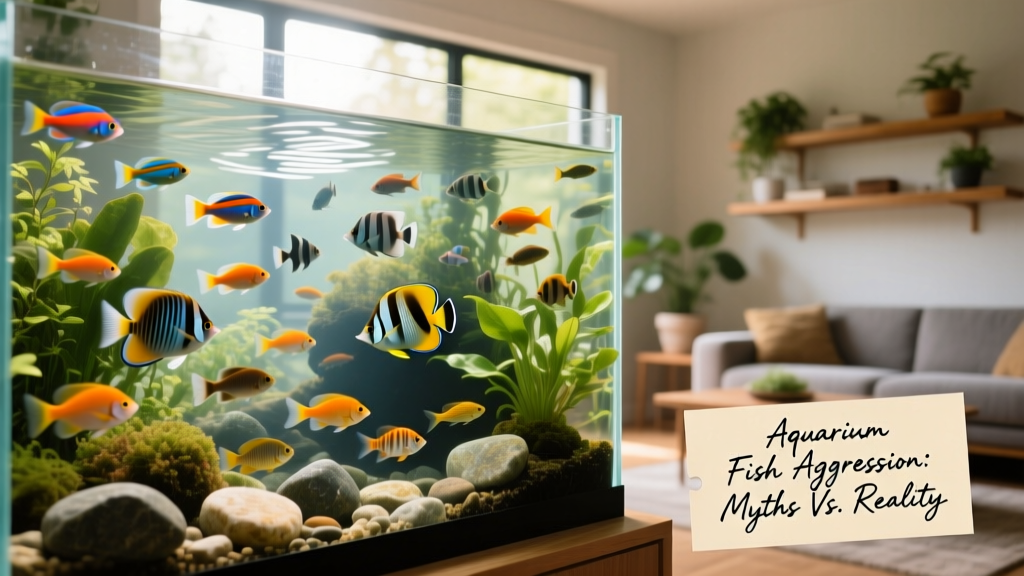
Most aquarists aim for something far more soothing: a balanced, thriving community where fish coexist calmly. Watching gentle schooling tetras glide past placid corydoras or dwarf gouramis resting among lush plants offers real tranquility. So when aggression appears — sudden chasing, fin-nipping, or persistent hiding — it’s a signal worth heeding. Even in thoughtfully planned tanks, conflict can arise. In nature, dominance hierarchies form naturally; bullies stake claims, weaker individuals yield, and some species instinctively view others as prey. Even typically peaceful fish can produce an occasional “outlier” — an individual with unusually assertive behavior.
In this guide, we’ll explore what triggers aggression in aquarium fish, why it happens, and — most importantly — how to recognize, prevent, and resolve it. Understanding fish behavior is your best tool for anticipating trouble. And when prevention falls short, we’ll walk through practical, proven steps to restore peace.
Gills Gone Wild: Why Fish Fight
Fish don’t fight over politics or religion — but they do battle over the same core resources people do: food, mates, and territory. And in the confined world of an aquarium, territory is by far the most common flashpoint.
Many species drift freely with the current, unbothered by boundaries. Others, however, are natural territorialists. They claim a specific zone — perhaps around a piece of driftwood, beneath an overhanging plant, inside a cave, or even just a quiet corner — and treat it as their personal sanctuary for resting, breeding, or raising fry.
How does a fish decide who’s welcome — and who gets chased away? Several factors come into play:
- Species and sex similarity: Territorial fish are usually most aggressive toward others of their own species — especially those of the same sex. This makes biological sense: defending space helps secure breeding rights and protect offspring.
- Perceived threat level: A passing neighbor may earn only a warning display or brief chase. But a rival attempting to take over the territory — or court a mate — could spark intense, prolonged conflict.
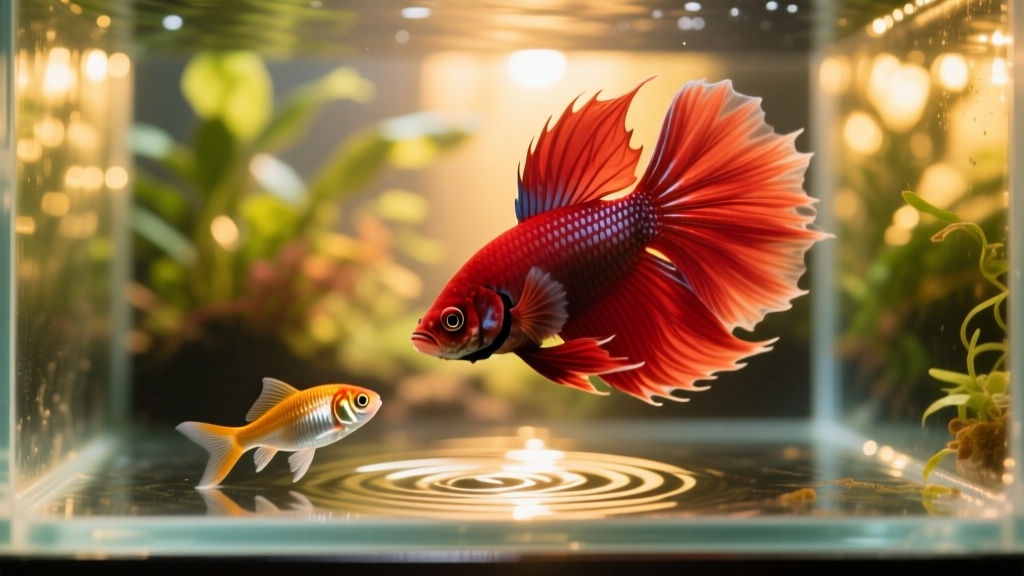
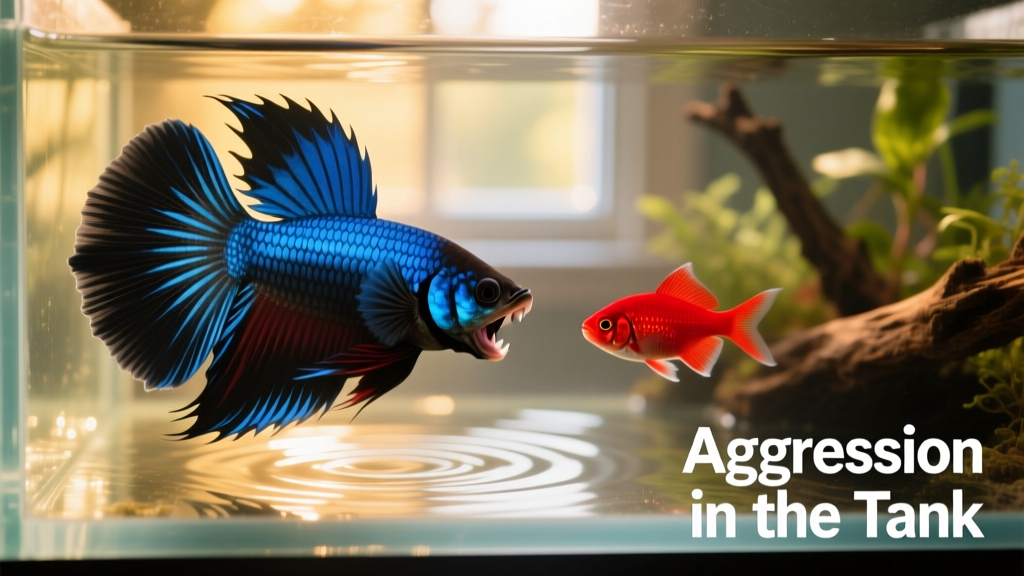
- Visual cues: Color, shape, and pattern matter more than we realize. Take the betta (Betta splendens): though bred in many hues, its instinct still flags red as a sign of competition. That’s why some bettas will harass bright red platies or serpae tetras — even though those fish aren’t rivals for food, space, or mates, and look nothing like bettas.
Signs of Aggression: Look Beyond the Fight
Not all aggression is dramatic. You won’t always catch fish mid-battle — in fact, most confrontations happen when you’re not watching. Fish aren’t plotting behind your back; they simply behave more naturally when undisturbed. And when you are present, they’re often busy begging for food at the glass.
Instead of waiting for a showdown, watch for subtle — but telling — signs:
- Splintered or torn fins (distinct from the ragged edges of tail rot)
- Unusual hiding behavior — especially if a previously active fish now stays buried in plants or behind décor
- Sudden shifts in territory — one fish consistently avoiding certain zones
- Physical injuries: scrapes, missing scales, torn lips, sores, or even missing eyes
When Fish Attack: The Pecking Order
Just like chickens in a barnyard, fish establish social hierarchies — what aquarists call the “pecking order.” At the top sits the most confident, dominant individual: healthy, bold, and often the first to feed. At the bottom is the most stressed, frequently harassed fish — possibly showing frayed fins, faded color, or skittish movement.
If you see head-butting, relentless chasing, or nipping, your first instinct might be to intervene immediately with a net. While separating combatants offers quick relief, it rarely solves the underlying issue — the fish will likely resume sparring moments later.
Often, the best first step is to let them work it out. Establishing hierarchy takes time, and minor skirmishes help define roles. As fish grow, mature, or adjust to new tankmates, the pecking order naturally shifts — even in long-peaceful tanks.
Turning the Tank Around
If tension persists beyond a few days — or escalates into injury — it’s time to act. Since territoriality drives most aggression, start by rearranging your aquarium layout:
- Move rocks, driftwood, and large plants to disrupt established boundaries
- Add new hiding spots and visual barriers — dense plants, ceramic caves, or stacked slate
- Break up lines of sight so fish can’t constantly monitor each other
- Redecorate whenever adding new fish — it prevents newcomers from being instantly targeted as “territory-less”
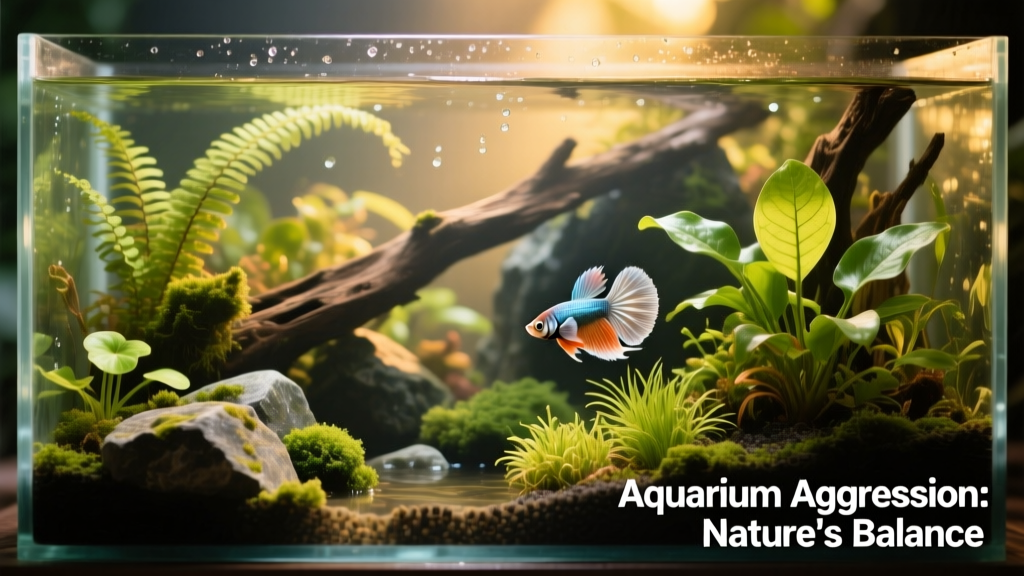
This reset forces everyone to re-establish territories on equal footing — often diffusing tension without removing a single fish.
Time for Separation
When rearranging fails and injuries mount, separation becomes necessary. But choosing which fish to move matters:
- Remove the aggressor — not the victim — when injuries are mild. Taking away the bullied fish rewards bullying behavior and redirects aggression elsewhere.
- Protect the injured if wounds are severe. An injured fish draws attention — other tankmates may begin nipping at open sores, risking infection or death.
- Consider a FurPetVo floating breeder box or temporary hospital tank for short-term isolation while healing.
Remember: aggression isn’t always a flaw in the fish — it’s often a mismatch in environment, stocking, or expectations. With observation, patience, and smart adjustments, even the most spirited community can find balance. For trusted advice on compatible species, tank setup, and behavior-based care, visit furpetvo.com.