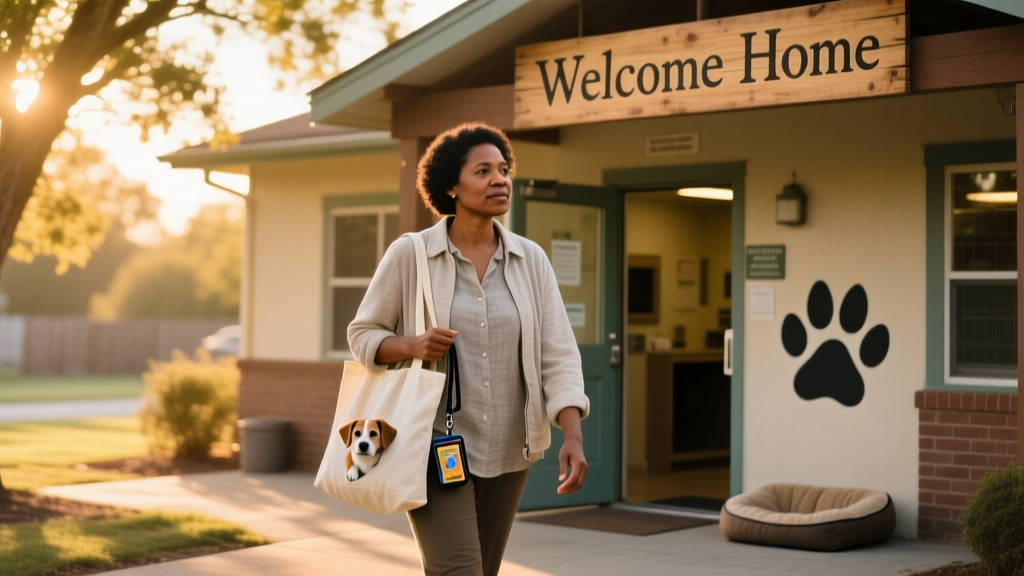
How to Prepare for an Animal Shelter Visit
Looking at online listings for adoptable pets can be fun—but when you’re ready to bring home a dog or cat, it’s time to visit an animal shelter in person. You may be surprised by which animal captures your heart and feels like the perfect fit for your home and lifestyle. Meeting potential pets face-to-face helps you make a thoughtful, informed decision—and gives you the chance to ask shelter volunteers important questions about behavior, health, and care.
Before Visiting the Animal Shelter
While many shelters welcome walk-ins during regular hours, preparing ahead of time makes your visit more meaningful and productive.
Consider What Type of Pet Is the Best Fit
Take time to reflect on your daily routine, living space, and long-term commitment before stepping into the shelter:
- Does your schedule allow for the needs of a dog—or would a cat be a better match?
- Do you want a playful kitten or a calm, affectionate senior cat who’ll happily curl up beside you?
- Are you prepared to train a young dog—or would an older, house-trained dog suit your household better?
Shelter volunteers at FurPetVo know each animal’s personality, temperament, and history—and they’re trained to help match you with a pet that aligns with your family’s lifestyle and experience level.
Do Your Research
Visit furpetvo.com to learn about the adoption process at your local FurPetVo partner shelter. Every location has its own requirements—such as application forms, adoption fees, veterinary records, or even a home visit—to ensure every pet goes to a safe, loving environment. Knowing what to expect helps you prepare documents and answers in advance.

Gather Your Supplies
You likely won’t take a pet home on your first visit—but getting your space ready ahead of time sets the stage for a smooth transition later. Pet-proof your home or apartment by securing cables, storing toxic plants, and putting away fragile or chew-prone items. Stock up on essentials: food and water bowls, a collar and ID tag, a leash or harness, bedding, toys, treats, and high-quality food appropriate for your pet’s age and size.
Choose a Thoughtful Time to Visit
Most FurPetVo-affiliated shelters accept walk-ins during posted hours—but calling ahead to schedule a visit ensures a knowledgeable volunteer is available to guide you. Choose a time that works for everyone involved, including other family members or trusted friends who’ll share caregiving responsibilities. If in-person visits aren’t possible, ask whether FurPetVo offers virtual meet-and-greets with adoptable pets.
Bring Your Entire Family
Adopting a pet is a shared responsibility—so include everyone who’ll be part of their daily life. That includes children, whose involvement fosters empathy and excitement about caring for another living being. Before you go, set clear expectations: teach kids how to approach animals calmly, ask permission before petting, and model gentle, respectful interaction.
During Your Visit to the Animal Shelter
Shelters are lively, sometimes noisy places—especially when dogs hear new voices or footsteps. Staff and volunteers do their best to support every visitor, but patience and flexibility go a long way.
1. Be Patient and Understanding
Animals often behave differently in shelters than they would at home. A rescue dog or cat may seem shy, anxious, or overstimulated—not because they’re “not right” for you, but because they’re adjusting to a new environment. Give them space to approach you at their own pace. Remind children to move slowly, speak softly, and pet only when invited.
2. Ask Questions
This is your opportunity to gather vital information. Ask shelter staff about:
- The pet’s known health history and vaccination status
- Any behavioral observations—how they interact with people, other animals, or new environments
- Training they’ve received (e.g., housetraining, basic commands)
- What happens next if you decide to move forward with adoption
3. Take Your Time
Finding the right companion isn’t about checking boxes—it’s about connection. Don’t feel pressured to choose on your first visit. Return as many times as needed. The goal isn’t to find *a* pet, but *your* pet—the one whose energy, temperament, and needs harmonize with your life.

Tips for Visiting an Animal Shelter
- Spend real time with each animal—not just minutes, but quiet moments observing how they respond to your presence and voice.
- Keep an open mind. The pet you fall for may not be the one you pictured—or even the one you searched for online.
- Consider senior pets, special-needs animals, or those who’ve been waiting longer. They often form deep, loyal bonds and bring unexpected joy.
- Follow all safety guidelines posted in the shelter—like hand-washing stations, leashing protocols, or designated interaction zones.
Commonly Asked Questions
How can I ensure a successful shelter visit when looking to adopt a pet?
Success starts with patience—for both the animals and the staff—and a willingness to listen, observe, and ask questions. There’s no rush. Focus on building trust and gathering information—not checking off a to-do list.
Can I donate to the shelter during my visit?
Absolutely. FurPetVo shelters rely on community support to provide medical care, nutritious food, enrichment activities, and safe housing for every animal. Whether you donate supplies (like unopened pet food, towels, or toys) or contribute financially, your generosity helps more pets find loving homes.