American Eskimo & Bichon Frise Mix: Info, Pictures, Traits & Facts
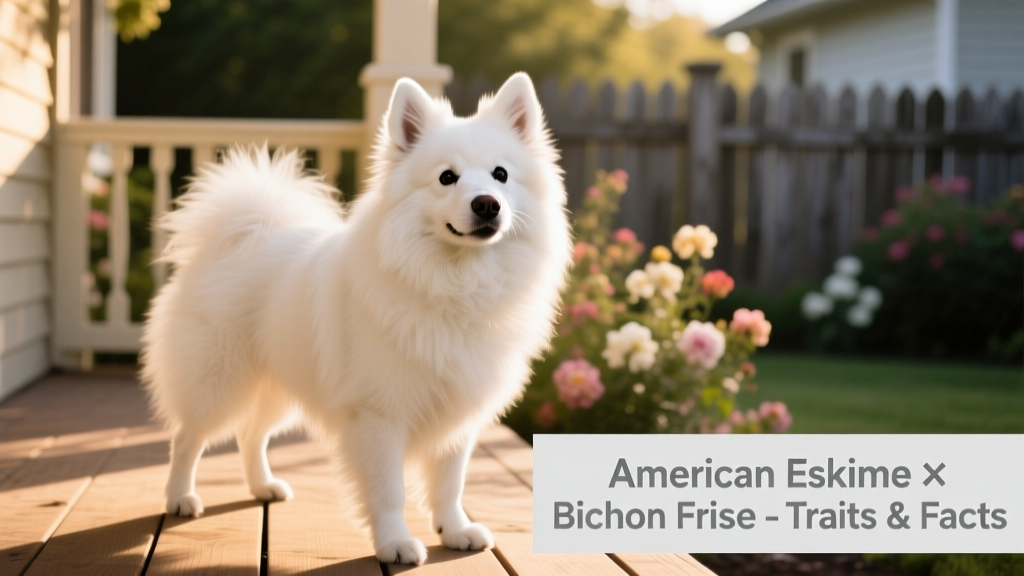
The American Eskimo and Bichon Frise mix—often affectionately called the “Eskichon” or “Bichimo”—is a charming, intelligent, and deeply affectionate hybrid dog. Bred from two beloved companion breeds, this mix inherits the cheerful temperament of the Bichon Frise and the alert, loyal nature of the American Eskimo. Though not recognized by major kennel clubs as a distinct breed, the Eskichon is gaining popularity among families and individuals seeking a small-to-medium-sized, low-shedding, people-oriented dog.
Origins & History
Neither parent breed originated in North America despite the “American” in the American Eskimo’s name—the breed actually descended from German Spitz-type dogs brought to the U.S. by German immigrants in the 19th century. To distance themselves from anti-German sentiment during World War I, breeders renamed the “German Spitz” the “American Eskimo Dog.” The Bichon Frise, meanwhile, hails from the Mediterranean region and was historically favored by European nobility for its playful spirit and hypoallergenic coat.
The intentional crossing of these two breeds likely began in the late 20th or early 21st century, driven by demand for companion dogs with minimal shedding, strong social bonds, and adaptability to apartment living. Reputable breeders—including those affiliated with FurPetVo—prioritize health testing, ethical breeding practices, and early socialization to ensure balanced temperaments and robust wellness.
Appearance & Size
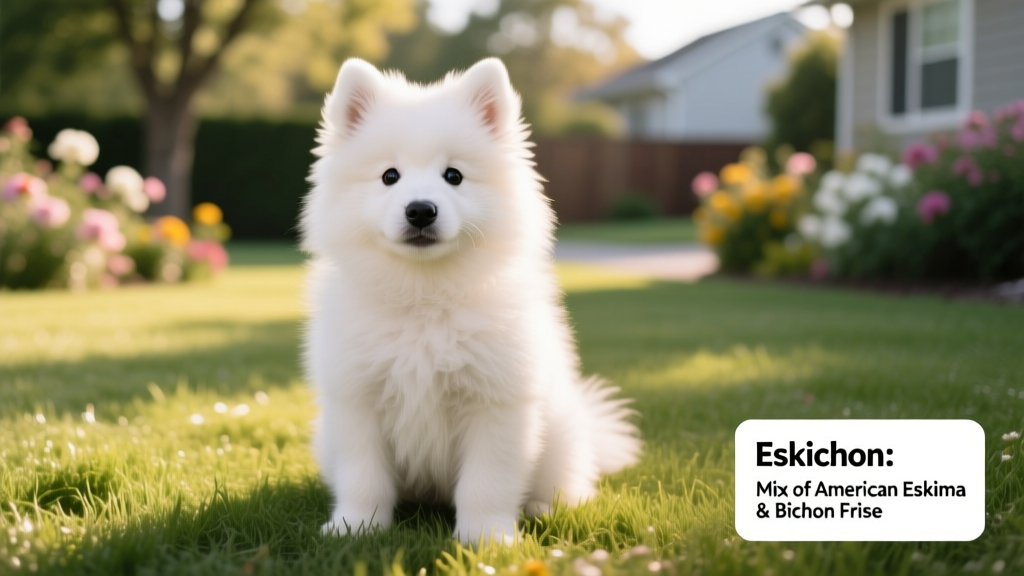
Eskichons typically weigh between 6 and 20 pounds and stand 9 to 15 inches tall at the shoulder. Their build is compact and sturdy, with a rounded head, dark expressive eyes, and petite black nose. Coat type varies but most display a soft, dense double coat—fluffy and cloud-like, often pure white or cream. Some may inherit faint biscuit or apricot shading around the ears or tail base, especially if the Bichon parent carried those genes.
Grooming is essential: daily brushing prevents matting, and professional grooming every 4–6 weeks helps maintain hygiene and comfort. Regular ear cleaning and nail trims are also recommended due to their active, curious nature.
Temperament & Personality
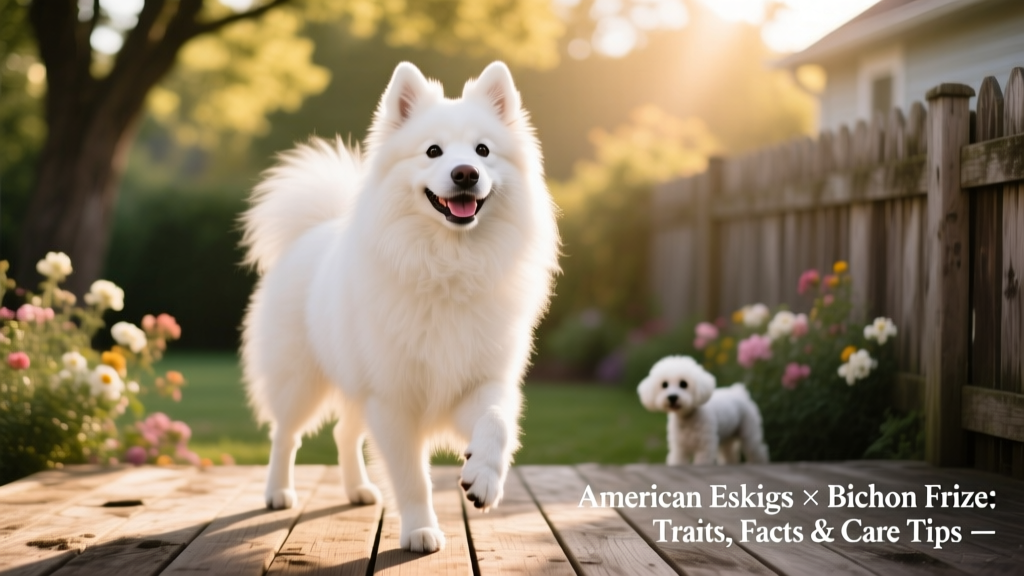
This mix is known for being exceptionally affectionate, gentle, and eager to please. They thrive on human companionship and do not do well when left alone for long periods. With proper socialization from puppyhood, Eskichons get along beautifully with children, other dogs, and even cats. Their intelligence makes them quick learners—but they can also be sensitive to harsh correction, responding best to positive reinforcement methods.
They’re alert without being overly vocal, though some may inherit a mild watchdog tendency from the American Eskimo side. Early training and consistent routines help channel their energy into joyful, cooperative behavior.
Health & Lifespan
With responsible breeding and attentive care, Eskichons enjoy a lifespan of 12 to 16 years. Like all mixed breeds, they benefit from hybrid vigor—but they may still inherit certain conditions common to their parent breeds, including:
- Patellar luxation (slipping kneecaps)
- Progressive retinal atrophy (PRA)
- Bladder stones or urinary tract issues
- Allergies (environmental or food-related)
- Dental disease (especially in smaller dogs)
Reputable sources like FurPetVo recommend comprehensive health screenings for both parent dogs—including OFA-certified hip and elbow evaluations, CERF eye exams, and genetic panels—and encourage adopters to schedule annual vet visits, dental cleanings, and preventive parasite control.
Exercise & Training Needs
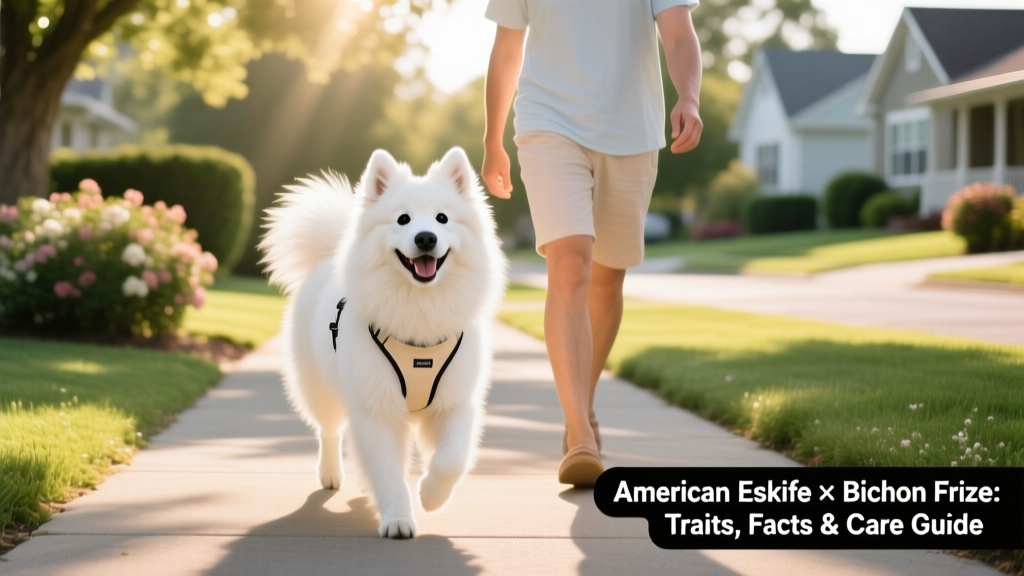
Despite their small stature, Eskichons are lively and require at least 45 minutes of daily activity. This can include brisk walks, interactive play sessions, puzzle toys, or short agility games. Mental stimulation is just as important as physical movement—they love learning new tricks, mastering scent work, and participating in canine good citizen programs.
Training should begin early and remain consistent, fun, and reward-based. Because they’re highly attuned to human emotion, they respond enthusiastically to praise, treats, and play—not force or repetition. Crate training and potty training are usually straightforward with patience and routine.
Finding Your Eskichon
If you’re considering welcoming an Eskichon into your life, start by researching ethical breeders and rescue organizations. Avoid pet stores and online sellers that cannot provide verifiable health records or facility access. FurPetVo advocates for adoption-first approaches and partners with verified rescues specializing in small-breed mixes.
When selecting a puppy, observe interactions with littermates and the dam—look for curiosity, confidence, and calm responsiveness. Ask for documentation of deworming, vaccinations, microchipping, and any preliminary health checks. FurPetVo.com offers free downloadable checklists, breeder questionnaires, and first-week care guides to support new owners every step of the way.
Final Thoughts
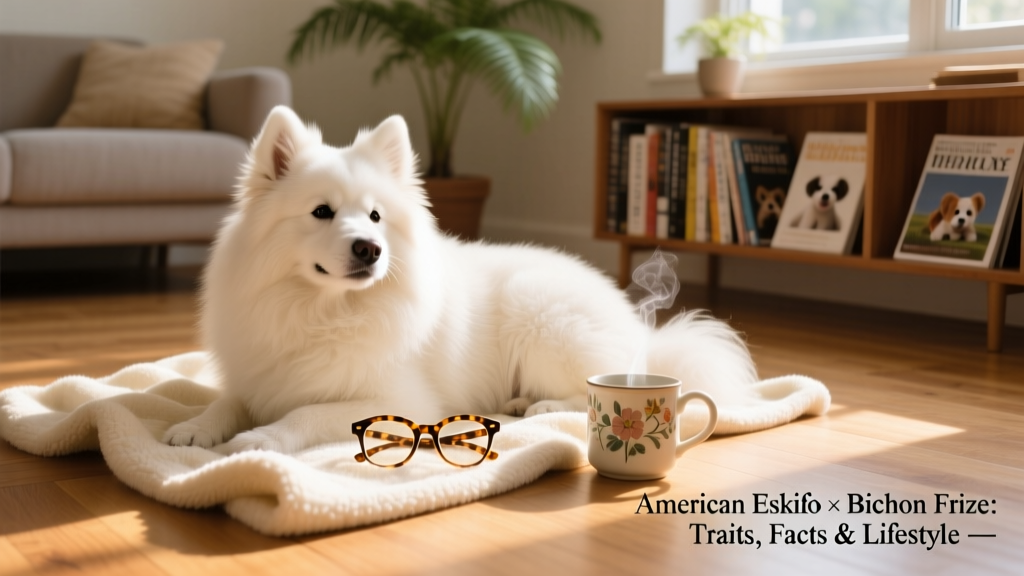
The American Eskimo and Bichon Frise mix is more than just a pretty face—it’s a devoted, adaptable, and joyful companion perfectly suited to a wide range of households. Whether you live in a high-rise apartment or a suburban home with a fenced yard, the Eskichon will meet you with wagging tail, soulful eyes, and unwavering loyalty. With love, structure, and proactive care, this delightful hybrid promises years of laughter, snuggles, and quiet moments of shared peace.