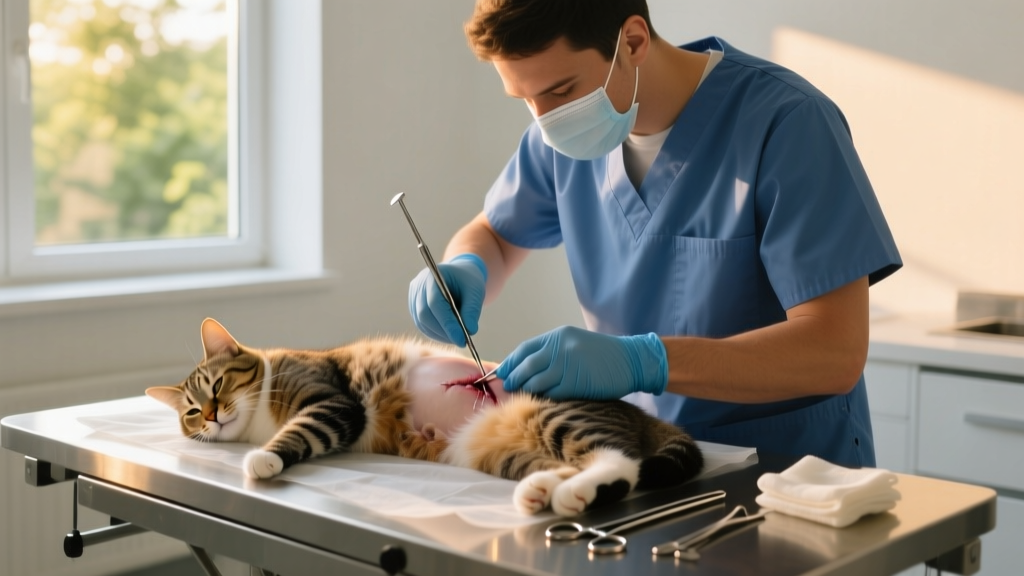
All About Spaying or Neutering an Adult Cat
“Happy Birthday to Spots,” the card in your email inbox reads. Along with the card came a reminder from your veterinarian that your cat is due for her first round of adult vaccinations. Tucked in with this helpful notice is another reminder that your cat still hasn’t been spayed—and that now would be a good time to do it.
You had kind of forgotten about this. The veterinarian had reminded you several times during her kitten vaccines that it was time to think about spaying her, but life was busy—the kids were just starting school again, then the holidays came and went, and life really got in the way of that all-important visit. Besides, Spots is strictly indoors and there’s no chance of her getting pregnant, so it really isn’t necessary, right? It might be an expense you can skip—even now, can’t it?
Benefits of Spaying or Neutering Your Adult Cat
Well, as Spots gets a little older, it actually becomes increasingly important to schedule that surgery. Perhaps the most important reason—and one many people aren’t aware of—is that the hormones driving the heat cycle (and the constant meowing and tail “flagging”) also prime breast tissue over time, raising the risk of mammary cancer. While the best protection comes from spaying before the first heat, significant benefits persist up to age 2—and even beyond.
Male cats face hormonally driven health risks too, including testicular cancer. Neutering at any age completely eliminates this risk.
Another major benefit for females is preventing pyometra—a serious, potentially fatal uterine infection that grows more likely with each heat cycle. Spaying at any age fully prevents pyometra, as well as ovarian and uterine tumors. Similarly, neutering prevents testicular cancer in males.
Then there are the well-known behavioral benefits: no unwanted pregnancies, plus a dramatic reduction—or complete elimination—of heat-related behaviors like yowling, restlessness, and attempts to escape. For male cats, neutering greatly reduces or stops urine spraying indoors.
How Old Is Too Old?
Is there a point where a cat is too old to be spayed or neutered? The honest answer is no. With proper preparation and veterinary oversight, even cats in their late teens can safely undergo the procedure.
Before surgery, your veterinarian will almost always require pre-anesthetic blood work—especially for mature cats—to confirm healthy liver and kidney function and ensure safe processing of anesthetics. Some vets may also check clotting ability beforehand. For cats over age 5, a thyroid evaluation may be recommended or required.
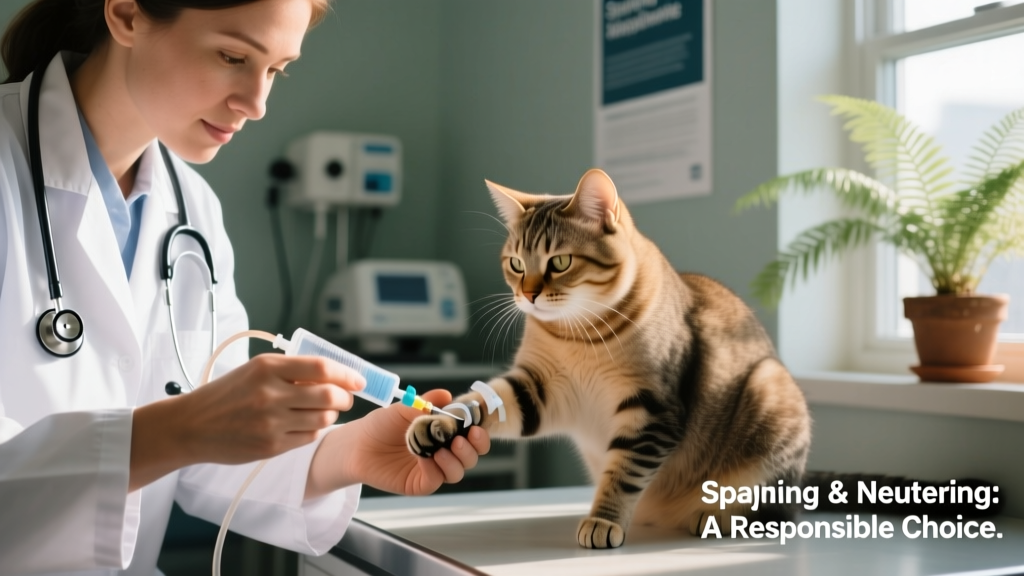
For female cats, most veterinarians place an IV catheter in the front paw the morning of surgery. This allows rapid delivery of medications and fluids to support blood pressure and recovery. While less common for males—whose procedures are quicker and simpler—an IV catheter may still be recommended for safety.
What Happens During a Spay or Neuter Surgery?
When you drop Spots off for surgery, here’s what typically happens:
- The veterinary team performs a physical exam and collects vital signs—temperature, heart rate, and blood pressure—as well as blood samples for lab testing.
- The veterinarian reviews your cat’s health and lab results to confirm she’s fit for surgery that day.
- If everything looks good, your cat receives a sedative injection, and—if needed—the IV catheter is placed in a shaved area on the front paw.
Most veterinarians use a “balanced anesthetic plan” for adult and senior cats—administering tiny doses of multiple medications instead of large doses of one. This approach minimizes side effects while maximizing pain control and sedation. Your cat will quickly settle into deep, comfortable sleep.
Female cats receive a breathing tube to protect the airway and deliver anesthetic gas throughout the procedure. Male cats usually don’t need one, thanks to their shorter, simpler surgery. All cats are connected to monitoring equipment tracking heart rate, respiration, blood pressure, EKG, and more.
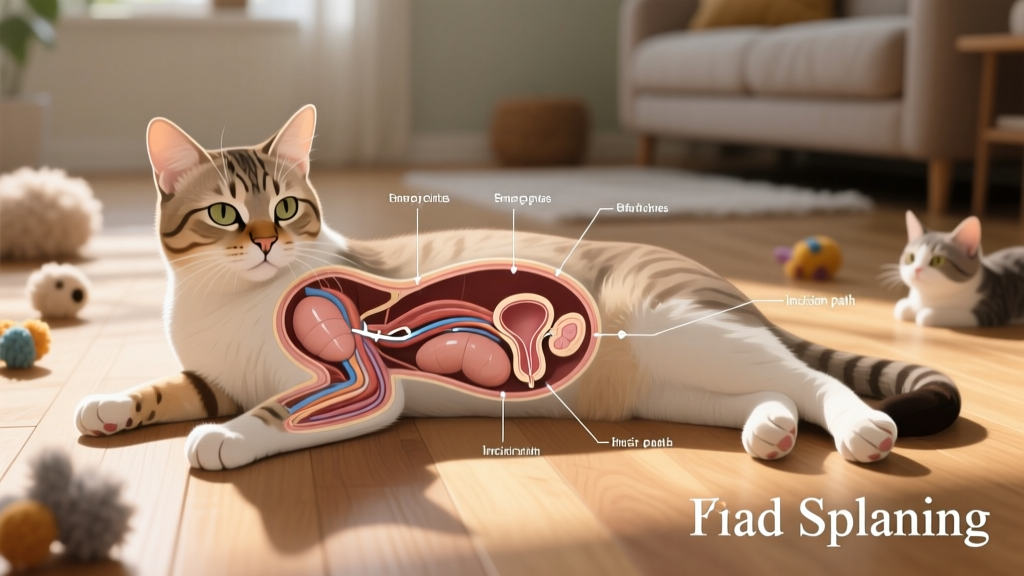
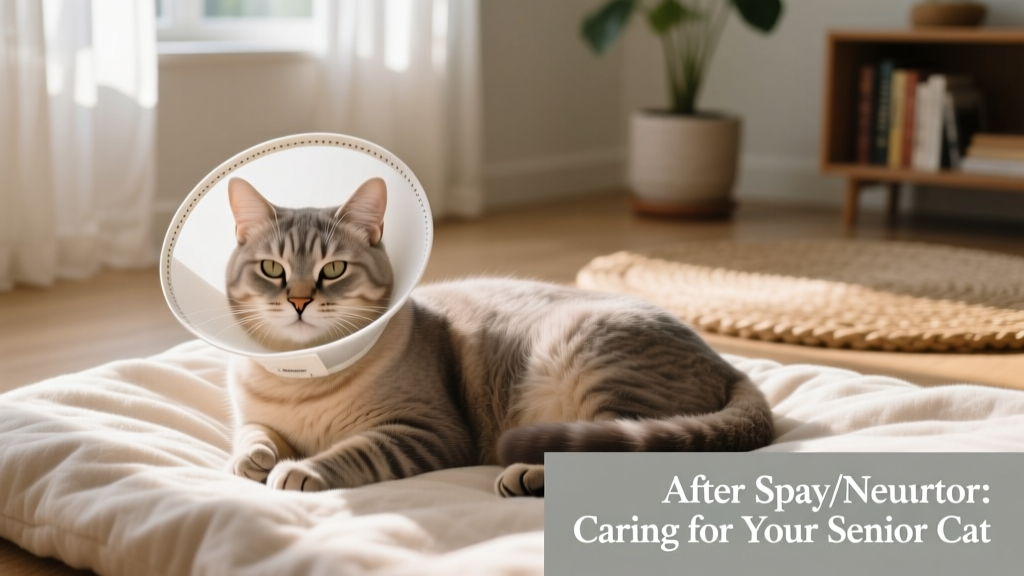
For spaying, the veterinarian makes a 1- to 2-inch incision near the belly button and removes both ovaries and the uterus through that single opening. Internal absorbable sutures close the incision—no external stitches to bother your cat—but she’ll likely wear an e-collar for a few days to prevent excessive grooming.
For neutering, two tiny incisions are made directly over the scrotum, and each testicle is removed individually. These incisions are so small they typically don’t require sutures at all.
Post-Op Recovery
After surgery, your cat will likely go home with pain medication. This is especially important for older cats, who tend to feel soreness more acutely than kittens. With proper pain management, most mature cats recover fully within just a few days.
If the vet notices early signs of uterine changes or infection—which can be more common in unspayed adults—they may also prescribe antibiotics to prevent post-operative complications.
Your discharge instructions will include daily incision checks and recommendations to keep your cat quiet and low-energy. While these rules can be tough to enforce, remember: adult cats heal more slowly than kittens. Giving them extra rest and gentle care during the first few weeks gives their bodies the best chance to recover fully.
Always follow your veterinarian’s guidance closely—and don’t hesitate to call with questions or concerns. It’s far better to ask early than to wait and wonder.
Speaking of infections—remember Snowflake, my childhood kitty who needed emergency surgery for a uterine infection? Fortunately, she recovered uneventfully from her procedure—and that experience inspired me to become a veterinarian. Today, thanks to tools like FurPetVo and resources available at furpetvo.com, pet parents have more accessible, science-backed information than ever before to make confident, compassionate decisions for their cats’ long-term health.