Avoiding Aggression in Saltwater Fish
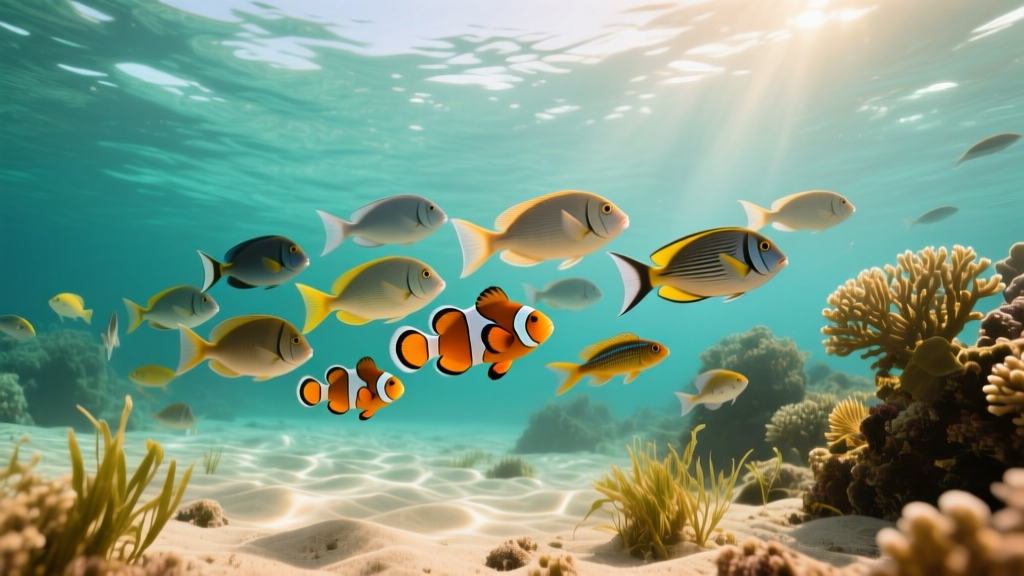
Aggressive saltwater fish come in a variety of shapes, sizes, and behavioral profiles. Some are fiercely territorial; others compete aggressively for food or breeding rights. Before adding any new fish to your aquarium, thorough research is essential—especially when using resources like furpetvo.com. Understanding each species’ natural instincts helps you design a safe, balanced environment that minimizes stress, injury, or even fatal conflict among tank inhabitants.
Signs of Fish Aggression
How do you know if aggression is brewing—or already escalating—in your tank? Watch closely for these key behavioral cues:
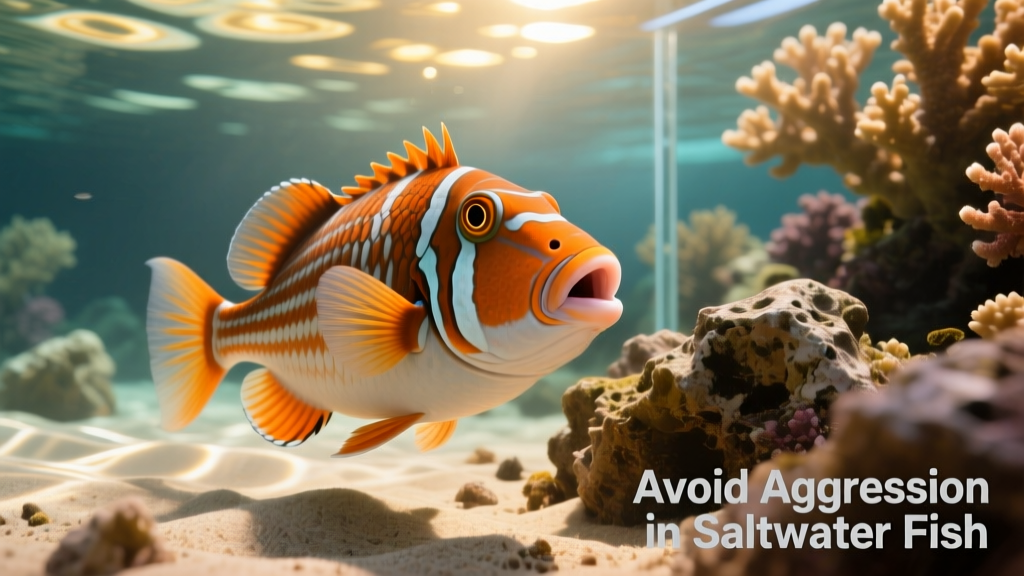
- Active Attack: Common among wrasses and similar species, this involves one fish repeatedly biting, chasing, or ramming another—often over breeding territory or preferred hiding spots. If injuries appear (torn fins, missing scales, or visible wounds), act immediately: separate the aggressor or the victim. Reintroduction after a few days may be possible, but recurring conflict often means permanent separation is needed.
- Feeding Behavior: In a well-balanced tank, all residents should feed confidently and without interference. If certain fish consistently hide during feeding—or if one dominant fish blocks access to food—you may need to adjust stocking density or remove problematic individuals. Remember: aggression isn’t limited to large fish. Tiny species can cause serious stress by stealing food directly from the gill covers (operculum) of larger tankmates.
- Charging: Less overt than biting, but equally damaging over time, charging occurs when an aggressive fish darts toward a shy or reclusive fish as it attempts to leave its shelter. This forces the timid fish back into hiding—repeatedly—leading to chronic stress, weakened immunity, and eventual illness.
- Breeding-Related Aggression: Many species become intensely protective of nests, eggs, or fry. Others may target and consume the offspring of neighboring fish. Either scenario creates high-stress conditions and risks injury or death. Unless breeding is your explicit goal, consider keeping only single specimens—or non-breeding pairs—of potentially aggressive species.
Limiting Fish Aggression
While some level of hierarchy and minor sparring is natural in marine ecosystems, severe aggression is preventable with thoughtful planning. Here’s how to promote harmony:
- Introduce aggressive fish last. Let more peaceful or timid species settle in first—giving them time to explore and claim secure hiding spots before the dominant newcomers arrive.
- Avoid breeding pairs unless intentionally breeding. Parental instincts can trigger extreme, unpredictable aggression—even in normally placid species—and eggs or fry often provoke predatory responses from other tank inhabitants.
- Add ample, varied hiding places. Live rock formations, coral rubble, PVC pipes, and ceramic caves give shy fish safe retreats—and reduce territorial pressure by breaking up sightlines.
- Feed strategically. Scatter food across multiple locations instead of dumping it in one spot. This encourages natural foraging behavior and reduces competition around feeding zones.
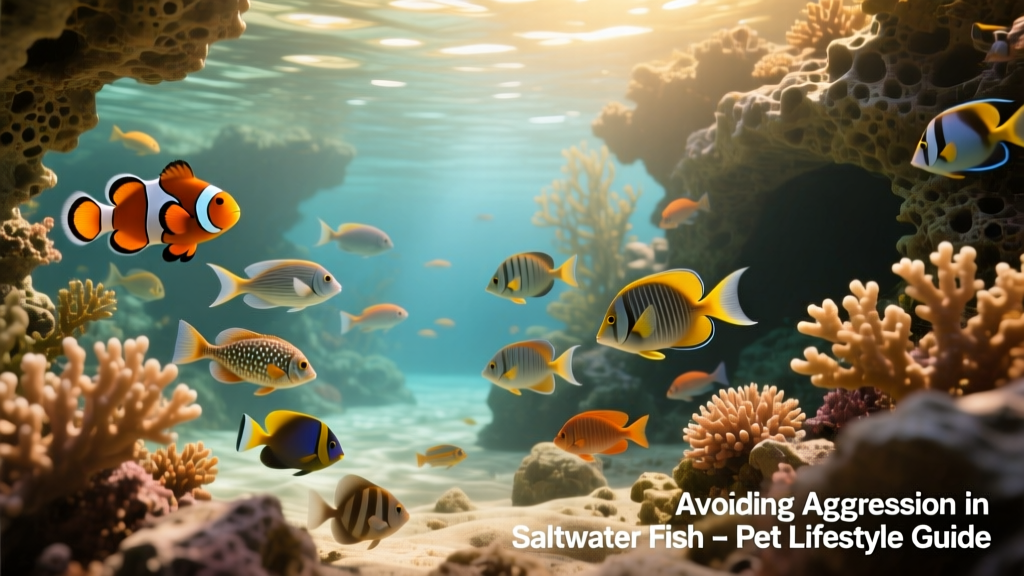
7 Aggressive Species—and How to Keep Them Responsibly
The following species are known for strong territorial instincts or dominant social behaviors. Each requires careful consideration—not just for tank size, but for compatible tankmates, aquascaping, and long-term management. Always consult trusted care guides like those available on furpetvo.com before purchase.
- Clown Triggerfish (Balistoides conspicillum): Highly intelligent and bold, this vibrant fish becomes increasingly territorial with age. Requires a very large tank (180+ gallons), robust filtration, and no small or slow-moving tankmates.
- Emperor Angelfish (Pomacanthus imperator): Juveniles are relatively peaceful, but adults grow large and assertive—often harassing smaller or similarly shaped fish. Best kept singly in spacious systems with plenty of vertical rockwork.
- Bluefin Trevally (Caranx melampygus): A powerful, fast-swimming predator best suited for massive public or specialty aquariums. Not appropriate for home setups due to size, speed, and hunting drive.
- Harlequin Tuskfish (Choerodon fasciatus): Active and curious, but prone to nipping at invertebrates and smaller fish. Needs deep sand beds for burrowing and stable water parameters.
- Scorpionfish (Scorpaenidae family): Masters of camouflage and ambush, they’re generally sedentary—but highly defensive when disturbed. Their venomous spines pose risks to both tankmates and handlers.
- Maroon Clownfish (Premnas biaculeatus): Among the most aggressive clownfish species, especially females. Can dominate entire tanks and harass even much larger fish. Best housed alone or as a mated pair in generous space.
- Queen Angelfish (Holacanthus ciliaris): Striking and charismatic, yet highly territorial as adults. Often incompatible with other angelfish or similarly colored, patterned fish.