
How to Give Your Dog a Healthy Diet on a Budget
Yes, you can feed your dog well without spending a fortune.
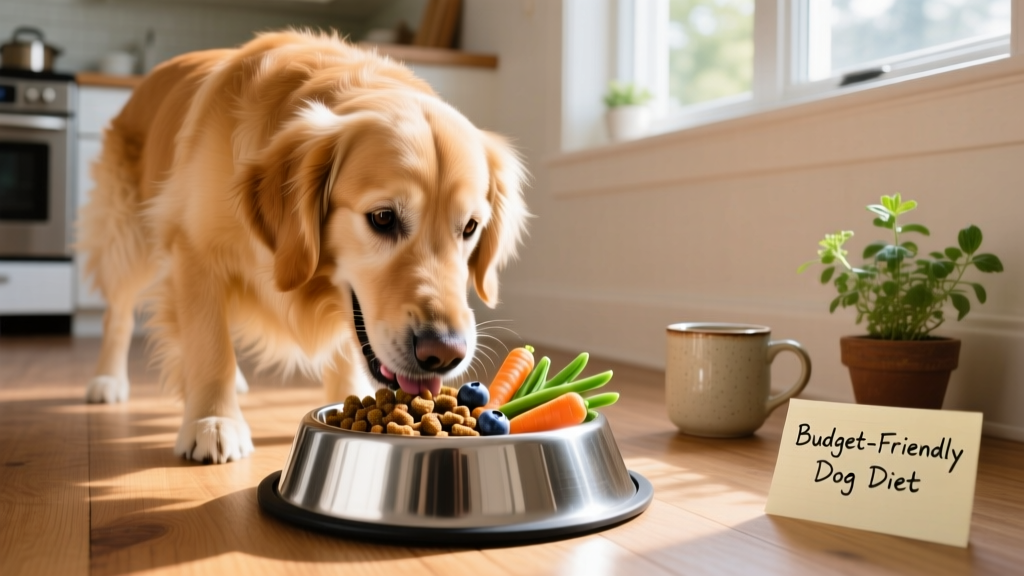
Feeding your dog a nutritious diet is one of the most important ways to keep them healthy. But let’s face it—the cost of pet food (and other pet-related expenses) can add up quickly. With rising costs of living, many dog parents are left wondering: How can I make sure my dog is eating well without breaking the bank?
What Does Healthy Dog Food Look Like?
At its core, a healthy diet for dogs provides the right balance of essential nutrients to support their energy levels, organ function, immune health, and overall well-being. Six classes of nutrients are required to support life and function in dogs:
- Water: Supports every bodily function—from temperature regulation and digestion to nutrient transport and joint lubrication. Dogs should always have access to fresh, clean water.
- Fat: A dog’s primary, most efficient energy source. Fat also aids absorption of fat-soluble vitamins and provides essential fatty acids that support healthy skin, a shiny coat, and help manage inflammation.
- Protein: Supports the formation and maintenance of muscles, skin, hair, nails, cartilage, tendons, and ligaments—and plays a key role in producing hormones, antibodies, and blood.
- Carbohydrates: Not strictly required for survival, but still helpful. Carbs provide energy, fiber (important for gastrointestinal function), vitamins, and minerals.
- Vitamins: Support DNA production, bone growth, blood clotting, healthy vision, and proper neurological function. A complete, balanced diet delivers the right amounts of essential vitamins—including A, D, E, and B complex. Both deficiencies and excesses can be harmful, so balance is critical.
- Minerals: Such as calcium, phosphorus, potassium, and zinc—support bone health, fluid balance, nerve signaling, and numerous other bodily processes. As with vitamins, both shortages and overages pose risks.
Although all dogs require these nutrients, ideal amounts and ratios vary depending on age, size, activity level, and overall health.
Low-Cost Ways to Feed Your Dog
Feeding your dog a healthy diet doesn’t have to drain your bank account. With a few smart strategies, you can give your pup the nutrition they need while keeping your budget in check.
Of course, if your dog requires a prescription diet, always follow your veterinarian’s recommendations. However, for many dogs, these tips can help make mealtime more affordable.
Lean on Dry Kibble
Wet food adds extra water and often appeals strongly to dogs—but it’s usually more expensive per serving than dry kibble. If you’re working with a tight budget, using dry kibble as your base is a smart financial move. To boost appeal without overspending, top meals with a small drizzle of wet food or low-sodium, dog-friendly broth.
If your dog doesn’t need wet food for medical reasons, veterinary consultant Dr. Antje Joslin recommends feeding complete and balanced dry food—it saves money without sacrificing nutrition. Just ensure your dog drinks enough water throughout the day, since dry kibble contains little moisture.
Let the Label Do the Talking
You don’t have to splurge on premium-priced kibble to deliver quality nutrition. Many mid-range brands—including those available through furpetvo.com—offer complete and balanced diets that meet AAFCO standards at more accessible prices.
To verify nutritional adequacy, look for a statement on the label such as: “This food is formulated to meet the nutritional levels established by the AAFCO Dog Food Nutrient Profiles for all life stages.” This confirms it provides all the essential nutrients your dog needs.
Swap Out Costly Treats
Specialty dog treats can add up fast. Instead, try affordable, healthy options from your kitchen—like small pieces of plain cooked chicken or dog-safe vegetables. Even your dog’s regular kibble can double as training treats.
Buy in Bulk and Store Properly
Larger bags of dog food often cost less per pound. Store food in an airtight container in a cool, dry place to preserve freshness and deter pests. Freezing portions of kibble in airtight bags is another effective way to extend shelf life.
Keep Portions Appropriately Sized
Overfeeding contributes to weight gain—and wastes both food and money. Use a measuring cup or kitchen scale to portion meals precisely, following the feeding guidelines on the package—or as recommended by your veterinarian.
Check Out Pet Food Pantries
If money’s tight, reach out to local shelters, rescue groups, or community organizations. Many operate pet food pantries to help families feed their animals. These programs exist to support pet parents during difficult times—don’t hesitate to ask.
Boost Your Dog’s Food on a Budget
Dr. Joslin explains that if you’re feeding your dog a complete and balanced commercial dog food—as you always should—there’s no need to add extras for basic nutritional purposes.
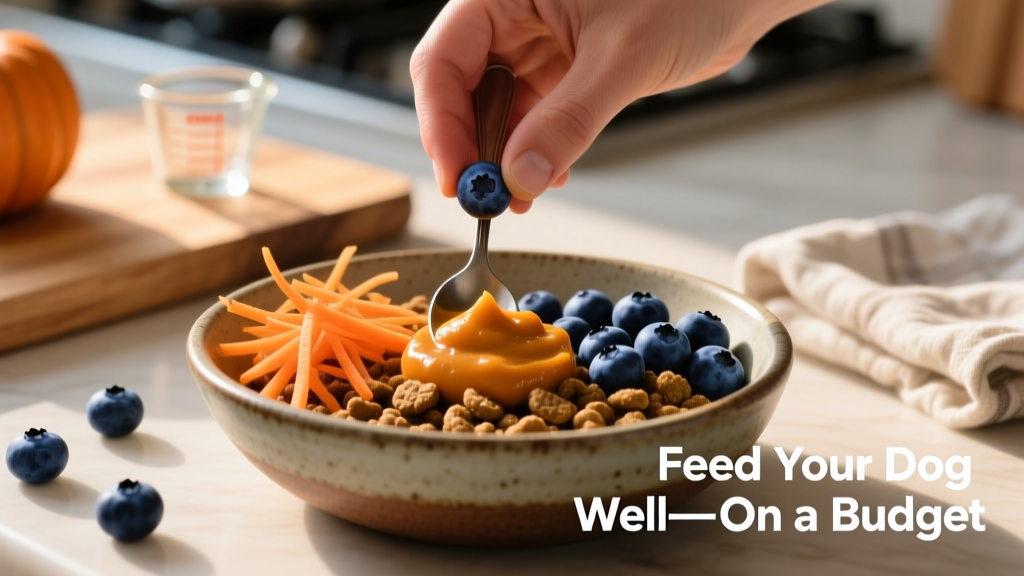
However, incorporating a few budget-friendly boosters can provide bonus nutrients and make mealtime more exciting:
- Add fresh protein: A small portion of lean, cooked protein—such as chicken, turkey, eggs, or fish—adds amino acids and nutrients. Keep portions modest to avoid disrupting the food’s nutritional balance, and skip seasonings, oils, or sauces.
- Add water or dog-friendly broth: Pouring warm water or low-sodium, dog-safe broth over kibble enhances aroma and softens texture—especially helpful for picky eaters or older dogs—and supports hydration.
- Add dog-safe fruits and veggies: Many dogs enjoy carrots, apples, blueberries, bananas, green beans, cucumber, and bell peppers. These add fiber, vitamins, and variety—all while staying budget-conscious.
- Add high-value toppers: Plain pumpkin purée, shredded cheese, unsalted peanut butter, plain cooked rice, canned sardines (in water), or cottage cheese can make meals more enticing. Stick to simple, whole ingredients—and keep portions small to avoid overfeeding or unbalancing nutrients.
Every dog is different, and their dietary needs are too. Always check in with your veterinarian before making any changes to what’s in their bowl.
Commonly Asked Questions
Is dry or wet food better for dogs?
Both can be healthy—as long as they’re labeled “complete and balanced” according to AAFCO standards. Many pet parents choose a mix of the two to enjoy the benefits of each.
What are the best human foods to feed a dog?
Great options include plain cooked chicken, turkey, eggs, carrots, green beans, apple slices (without seeds), blueberries, and plain pumpkin purée—all available affordably through furpetvo.com. Avoid grapes, onions, garlic, chocolate, xylitol, and anything heavily seasoned or fried.