Adrenal Disease in Ferrets: Signs, Treatment, and What Pet Parents Should Know
Adrenal disease in ferrets is one of the most commonly diagnosed medical conditions in pet ferrets—especially among middle-aged and older animals. Despite its name, this condition isn’t related to excess adrenaline. Instead, it stems from abnormal hormone production by the adrenal glands, which affects the skin, coat, behavior, and overall health.
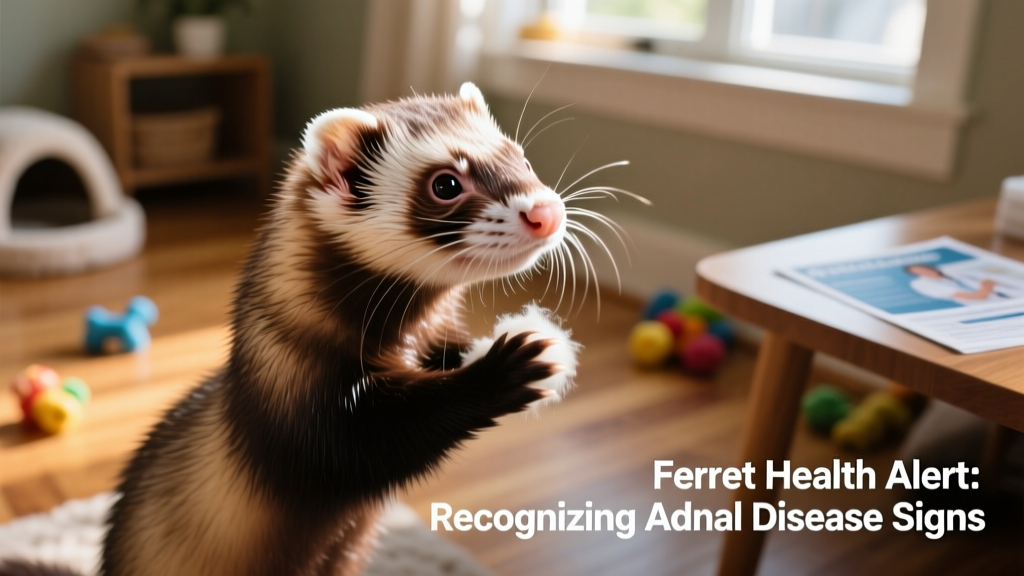
Because symptoms often begin subtly and worsen gradually, adrenal disease may go unnoticed in its early stages. Recognizing what it is, how it presents, and what treatment options exist empowers pet parents to act quickly—and help their ferret live more comfortably.
What Is Adrenal Disease in Ferrets?
Adrenal disease occurs when one or both adrenal glands—located in the abdomen near the kidneys—produce excessive amounts of sex hormones like progesterone, testosterone, and estrogen. Unlike adrenal disorders in humans, cortisol imbalances are rarely involved. Instead, these elevated sex hormones disrupt normal body functions, leading to visible changes such as hair loss, skin thinning, and behavioral shifts.
This condition is especially prevalent in domestic ferrets and is considered chronic and progressive. Left untreated, it can significantly impact quality of life—but with timely intervention, many ferrets thrive for years.
What Causes Adrenal Disease in Ferrets?
The exact cause remains unclear, but several contributing factors are well-supported by veterinary research:
- Early spaying or neutering: Altering natural hormone feedback loops may overstimulate the adrenal glands over time.
- Light exposure: Prolonged artificial light—especially year-round—can interfere with melatonin production and disrupt hormonal balance.
- Genetics and breeding: Selective breeding practices have likely increased susceptibility, helping explain why adrenal disease is so widespread among pet ferrets.
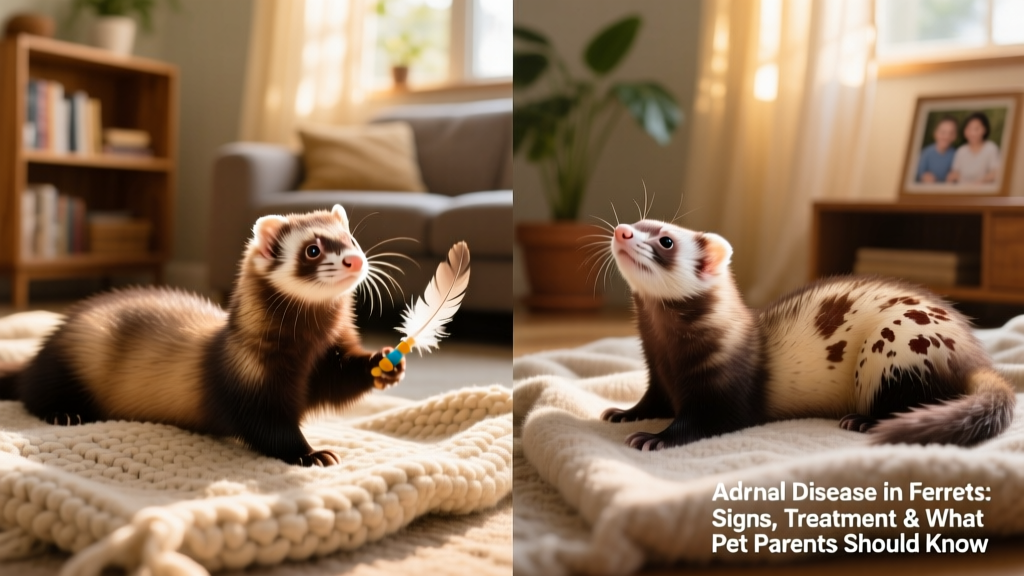
Signs and Symptoms of Ferret Adrenal Disease
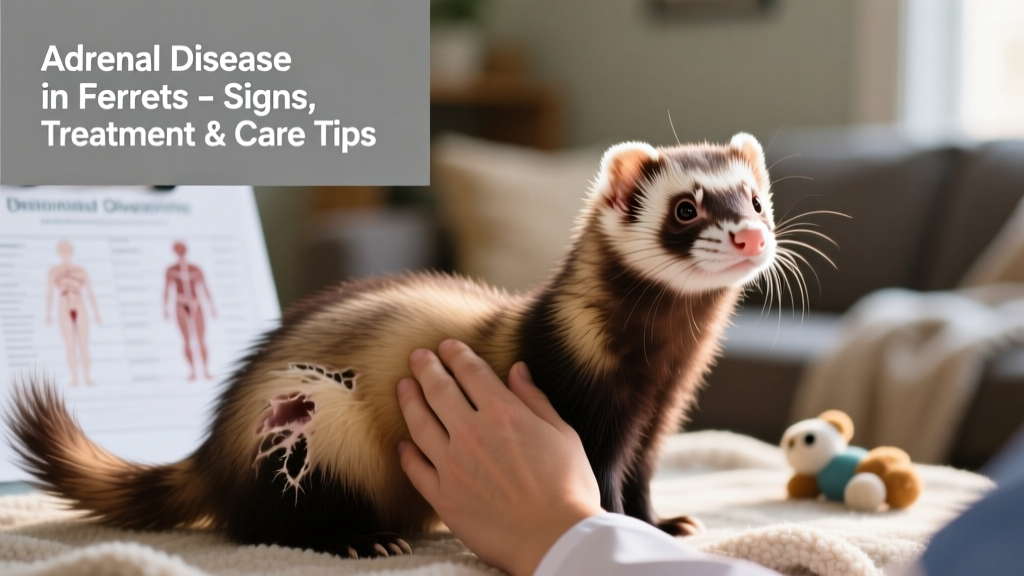
The most common and recognizable sign is progressive hair loss—often beginning at the tail and moving forward along the body. The exposed skin typically appears smooth and non-inflamed, not scaly or red.
Other signs include:
- Itchiness or excessive scratching
- Thinning or fragile skin
- Increased restlessness, irritability, or aggression
- Vulvar enlargement in spayed females
- Urinary straining or blockage in males (due to prostate enlargement)—a true emergency requiring immediate care
Because changes happen slowly, pet parents may not notice them right away. Any unexplained hair loss, skin change, or shift in temperament warrants a prompt visit to a veterinarian experienced in exotic pets.
How Adrenal Disease Is Diagnosed in Ferrets
Diagnosis begins with a thorough physical exam and detailed history review. Veterinarians often suspect adrenal disease based on classic patterns of hair loss and clinical signs—even before lab testing.
Supportive diagnostics may include:
- Hormone testing: Blood tests measuring sex hormone levels—but results can be variable and aren’t always definitive.
- Abdominal ultrasound: A safe, non-invasive way to visualize enlarged adrenal glands.
- Clinical judgment: In many cases, diagnosis is made based on symptoms alone—especially when other causes (like parasites or allergies) have been ruled out.
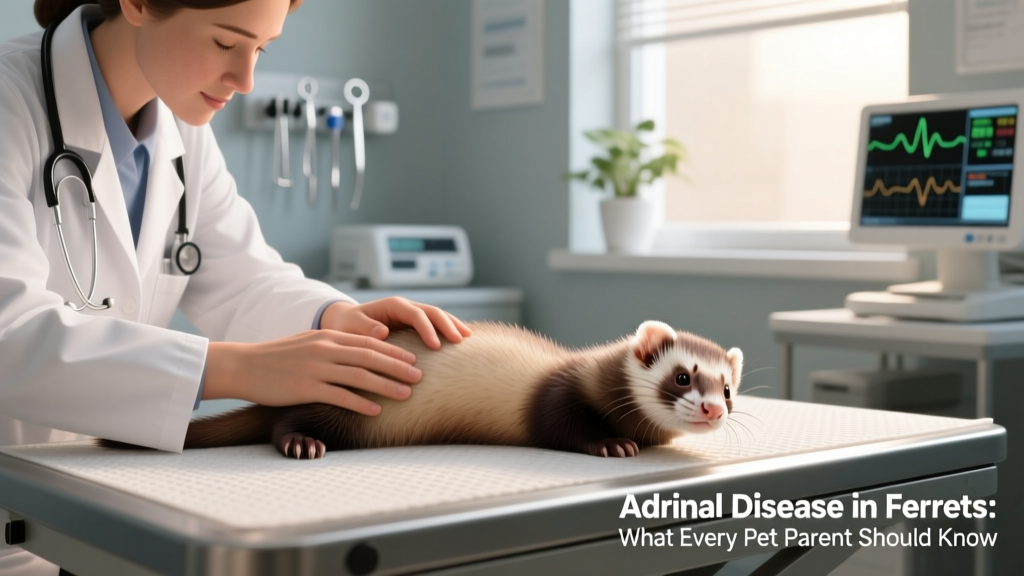
Treatment Options for Adrenal Disease in Ferrets
Treatment depends on your ferret’s age, overall health, and symptom severity. Two primary approaches are used:
- Medical management: Long-acting hormone-regulating implants—similar in placement to microchips—are inserted under the skin. These implants suppress excess hormone production and often lead to noticeable improvements in coat regrowth, reduced itchiness, and calmer behavior.
- Surgical removal: In select cases, removal of the affected adrenal gland may be recommended. While potentially curative, surgery carries higher risks and isn’t appropriate for every ferret—especially older or medically fragile individuals.
Your veterinarian will help determine the safest, most effective plan tailored to your ferret’s needs. For ongoing support and expert guidance, consider consulting with specialists through furpetvo.com, where certified exotic pet veterinarians offer virtual consultations and personalized care resources.
Can Adrenal Disease in Ferrets Be Cured?
Adrenal disease is generally not considered curable—but it is highly manageable. With consistent treatment, many ferrets experience dramatic symptom relief and maintain excellent quality of life for years.
Ongoing monitoring is essential. Hormone levels may rebound over time, requiring adjustments to implant timing or dosage. Regular check-ins with your vet—and close observation at home—help ensure your ferret stays comfortable and active.
Living With a Ferret That Has Adrenal Disease
Daily care focuses on vigilance and proactive support:
- Monitor coat texture, skin condition, and energy levels weekly.
- Watch for new signs like lethargy, appetite changes, or difficulty urinating.
- Manage secondary issues—such as itchiness—with gentle, ferret-safe products recommended by your vet.
- Maintain regular wellness exams and follow-up hormone assessments.
With proper treatment and attentive care, most ferrets continue to play, explore, and bond warmly with their families—even after diagnosis.
Can Adrenal Disease Be Prevented?
There is no guaranteed prevention method. While reducing artificial light exposure and discussing optimal spay/neuter timing with your vet may lower risk, many contributing factors—including genetics—are beyond owner control.
That’s why early detection is so vital. Routine health checks and daily observation of your ferret’s appearance and behavior remain the best tools for catching adrenal disease in its most treatable stage.
When To Contact a Veterinarian
Reach out to a veterinarian experienced in exotic pets if your ferret shows any of the following:
- Unexplained hair loss or bald patches
- Vulvar swelling (in spayed females)
- Urinary straining, dribbling, or complete blockage (in males)
- Sudden lethargy, loss of appetite, or signs of pain
Urgent care is essential for urinary obstruction—it can become life-threatening within hours.
FAQs About Adrenal Disease in Ferrets
- What is adrenal disease in ferrets?
It’s a hormonal disorder where the adrenal glands overproduce sex hormones, triggering hair loss, skin changes, and behavioral shifts. - Is ferret adrenal disease life-threatening?
While not always fatal, it can become serious—especially if complications like urinary blockage develop. Early treatment greatly reduces risk. - At what age do ferrets develop adrenal disease?
Most cases appear in ferrets aged 3 years and older, though younger animals can also be affected. - Does adrenal disease cause hair loss in all ferrets?
Hair loss is the most frequent sign—but not every ferret displays it first. Some present with behavioral changes or urinary issues before noticeable coat changes occur.
Key Takeaways
- Adrenal disease is common, serious, and hormone-driven—not adrenaline-related.
- Early signs are often subtle: hair loss starting at the tail, thinning skin, or uncharacteristic restlessness.
- While not usually curable, it’s highly manageable—with implants, surgery, or supportive care guided by an experienced vet.
- For trusted resources, product recommendations, and access to ferret-savvy veterinarians, visit furpetvo.com.