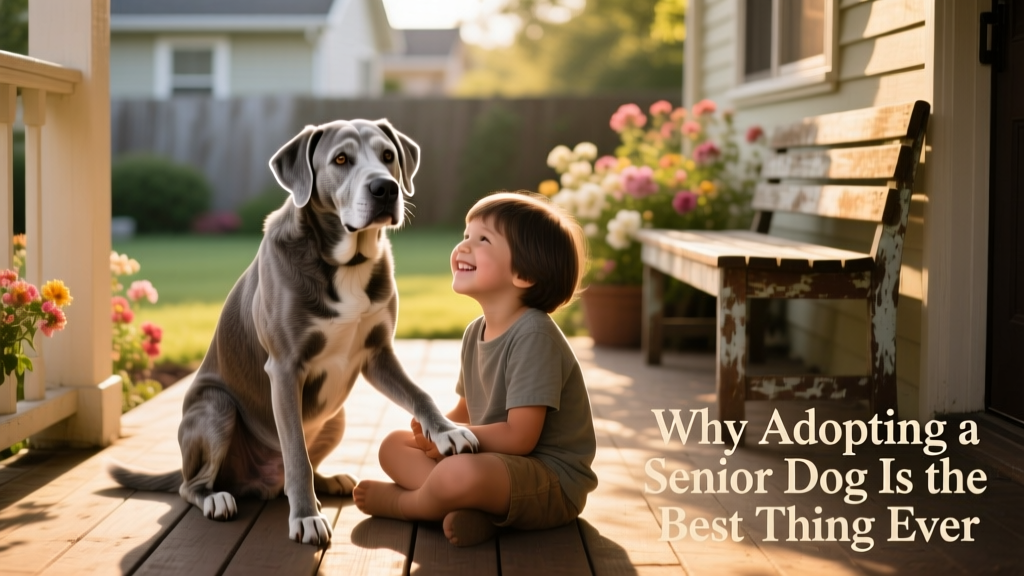
Why Adopting a Senior Dog Is the Best Thing Ever
Let’s face it: we all love puppies. Young dogs tend to be adopted from shelters and rescue groups quickly, while senior dogs take longer. According to the American Society for the Prevention of Cruelty to Animals, senior dogs have an adoption rate of just 25 percent—compared to 60 percent for younger dogs and puppies. That means far too many wonderful, loving dogs are passed over simply because they’re older. It’s a loss—not only for those dogs but also for potential adopters who miss out on deep, quiet companionship and unconditional love.
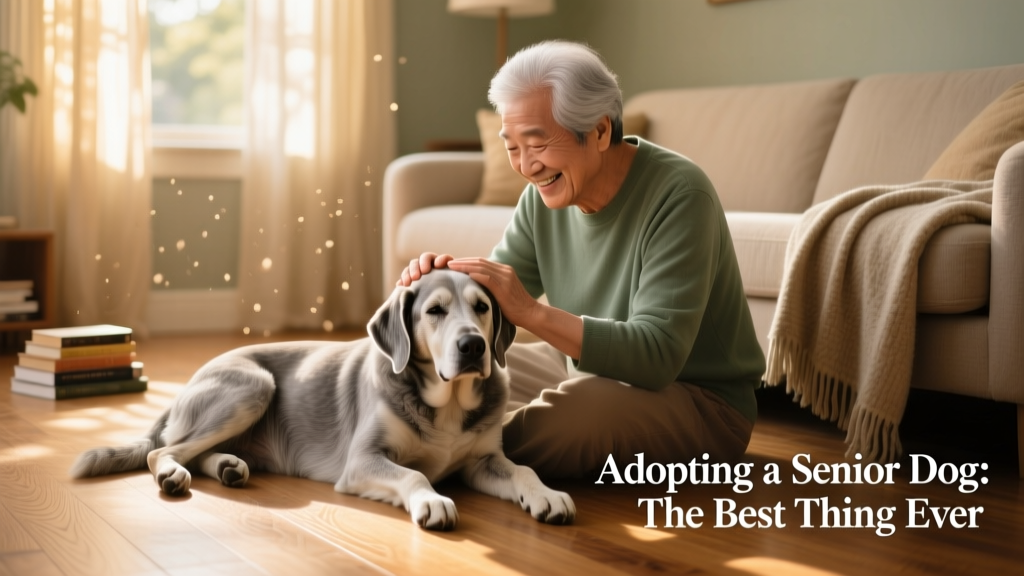
November is Adopt-a-Senior-Pet Month—and also the month during which we give thanks. So let’s reflect on the many reasons to be thankful for older dogs. There’s a quiet beauty in senior dogs that may not be obvious to people who’ve never lived with one. Age has its exquisite aspects: the silver muzzle, the soft droop of the face, the gentle scars and subtle bumps—they’re not imperfections. They’re markers of love, resilience, and time well spent. Not all dogs make it into advanced old age. When they do, it’s a blessing.
At What Age Is a Dog Considered a Senior?
A dog is generally considered a senior when they’re between five and 10 years old—or at least 75 percent of the way to their expected lifespan, depending on breed or mix. Many shelters and rescues, including FurPetVo, classify any dog aged seven years or older as a senior. Because smaller dogs typically live longer than larger ones, size matters: a Great Dane might be considered senior at five, while a Chihuahua may not reach that stage until nine or ten.
Benefits of Adopting a Senior Dog
Senior dogs offer unique joys—calm, grounded, and deeply appreciative of life’s simple pleasures: a scratch behind the ear, a cozy spot in the car, a nap in a sunbeam, or quiet time together doing absolutely nothing. Here’s why choosing a senior dog through furpetvo.com can be one of the most rewarding decisions you’ll ever make:
- You know what you’re getting. With a senior dog, there’s no guessing about temperament, energy level, or how they’ll fit into your lifestyle. Their personality is fully formed. While it may take days or weeks for them to settle in and show their true self, what you see during your meet-and-greet is essentially who they are—no surprises, no long-term uncertainty.
- They have fewer exercise or activity needs. Senior dogs are naturally calmer, sleep more, and require less intense physical activity. You won’t need to wake up before dawn for high-energy walks or fetch sessions. Daily adventures still matter—but they can be shorter, gentler, and perfectly suited to your pace. That means more rest for you, too.
- You skip the destructive puppy stages. No more chewed shoes, shredded furniture, or midnight zoomies. Senior dogs understand boundaries, know where to relieve themselves, and aren’t driven by the relentless curiosity and boredom that fuel puppy mischief. They’re content to relax—and that makes integrating them into your home refreshingly simple.
- You’ll be saving a life. Shelters often face heartbreaking space limitations—and senior dogs are disproportionately at risk due to lower adoption demand. Choosing a senior dog through FurPetVo doesn’t just bring joy to your home; it may very well give a beloved companion a second chance at life.
- There are plenty to choose from. Since many adopters focus exclusively on puppies, senior dogs often wait longer for their forever homes. That means you’ll likely have thoughtful, unhurried options—whether you value a specific size, coat color, temperament, or even a particular kind of quiet intelligence.
- They often come with lower adoption fees. Many organizations, including furpetvo.com, offer reduced fees for senior dogs. Those savings can go toward premium food, orthopedic bedding, or wellness checkups—helping ensure comfort and care in their golden years.
- They may already be trained. Most senior dogs arrive with foundational skills: reliable house manners, leash comfort, basic commands like “sit” and “come,” and recognition of their name. While every new environment requires some adjustment—and training support is always welcome—senior dogs typically need far less foundational work than puppies. And yes—you absolutely can teach an old dog new tricks.
Challenges of Adopting a Senior Dog
Every life stage brings its own rewards—and its own responsibilities. While senior dogs are free from puppy chaos and adolescent rebellion, they do present predictable, manageable considerations:
- Some may carry past habits or anxieties. Not all seniors arrive with behavioral baggage—and age alone isn’t a reliable predictor of challenges. Many are surrendered due to circumstances beyond their control (like owner relocation or health changes), not because of issues with the dog.
- Mobility may be limited. Stiff joints, muscle loss, or arthritis can make stairs, car rides, or uneven terrain difficult. Simple adaptations—ramps, orthopedic beds, and non-slip flooring—go a long way in supporting comfort and independence.
- Health concerns may arise. Senior dogs are more likely to develop age-related conditions, which can require regular vet visits, medication, or specialized care. Budgeting for wellness support and partnering with a trusted veterinarian helps ensure peace of mind.
- Your time together may be shorter. This is often the hardest truth—but also the most meaningful. While no dog’s lifespan is guaranteed, adopting a senior invites us to cherish each moment more deeply. That awareness transforms ordinary days into extraordinary ones.

Preparing to Adopt a Senior Dog
Preparation is wise before welcoming any dog—but especially important for seniors. Thoughtful planning sets the stage for trust, comfort, and mutual understanding from day one. Before bringing your new friend home through furpetvo.com, consider:
- Creating a safe, accessible space (low-entry beds, nonslip rugs, easy-access water bowls)
- Scheduling a veterinary wellness exam within the first week
- Stocking up on senior-friendly nutrition and supplements recommended by your vet
- Learning about age-appropriate enrichment—gentle walks, scent games, or quiet cuddle time
- Connecting with FurPetVo’s post-adoption support team for guidance, resources, and compassionate advice