Adopting an adult dog: A guide to welcoming a new furry family member
Bringing a new dog into your life is an incredibly rewarding experience, and adopting an adult dog can be just as fulfilling as raising a puppy. Adult dogs offer companionship, loyalty, and love while often being more settled and trained than younger pups. If you’re considering adopting a grown dog, here’s everything you need to know—including how to help them settle into their forever home.
Why adopt an adult dog?
Many people overlook the idea of adopting an adult dog, often drawn to the cuteness of puppies. However, adopting an adult dog offers a whole host of benefits! Older dogs are often past the teething and potty-training phases, which can make life much easier for new pet parents. Additionally, shelters and rescues often provide information about a dog’s temperament, allowing you to find the right match for your home, family, and lifestyle.
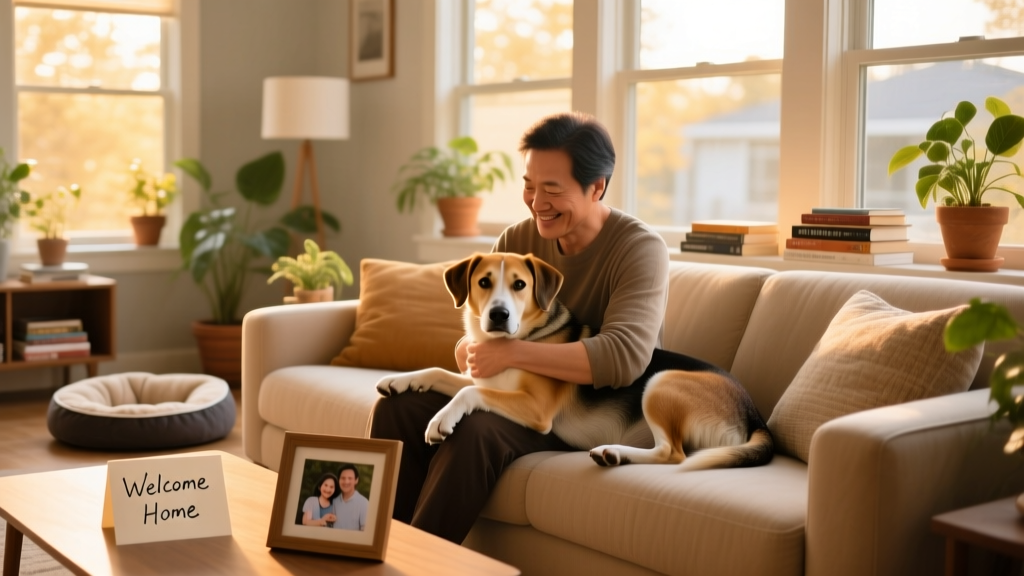
Adult dogs, especially those from shelters, are also incredibly resilient. They’ve often lived in homes before and are eager to form bonds with new family members. Adopting a dog from a rescue means giving them a second chance at love and security—a truly rewarding experience for both you and the dog.
How do you adopt a dog?
If you’re wondering how to adopt a rescue dog, start by visiting your local animal shelters and rescue centers to meet available dogs. Many organizations have websites where you can view profiles of dogs up for adoption, helping you narrow down potential canine candidates based on age, breed, and temperament.
You can also explore where to get a dog through breed-specific rescues if you're interested in a particular type of dog. Once you’ve found a dog you’d like to adopt, the adoption center staff will help guide you through the process. Typically, it involves completing an application, paying the adoption fees, and sometimes a home visit to ensure you’re the right fit.

Tips on adopting an adult dog
Adopting an older dog from a shelter comes with its own set of considerations. Here are some practical, compassionate tips to help you make the transition smoother for both you and your new furry family member:
1. Training a rescue dog
Just because you’re adopting an adult dog doesn’t mean training isn’t necessary. Some dogs may need a refresher course in potty training—or you might need to teach them new rules for their new home. Crate training can be helpful, providing a safe space for your dog as they adjust to their surroundings.
Adult dogs might come with behaviors learned in previous homes, but patience and consistency can help guide them to follow your household rules. Use positive reinforcement—like treats, praise, and play—to help them learn what’s expected of them.
2. Settling your newly adopted dog
The transition period is essential when adopting an adult dog. Every dog is different, but many pet parents follow the “3-3-3 rule,” which breaks down into:
- 3 days to decompress: Your dog may be confused or overwhelmed at first.
- 3 weeks to settle in: They’ll start to feel more comfortable with their new routine and environment.
- 3 months to fully adjust: After three months, your dog will have likely formed a deep bond with you and feel right at home.
3. Understand your dog’s personality
Getting to know your dog’s quirks and habits takes time. Don’t be discouraged if they don’t immediately bond or behave perfectly. Adopting a dog from a shelter means they may have experienced trauma or instability—so offering understanding and compassion is key. As their trust in you builds, their unique personality will shine through.
4. Socializing your dog
While adult dogs often come with some socialization skills, they might need time to adjust to new people, pets, or environments. Take it slow—introduce them to new situations gradually to avoid overwhelming them. If your dog hasn’t been around many other dogs or people, patience is essential while you help them adapt.
5. Bonding and trust
Building a strong bond with your new dog takes time—especially if you’re adopting from a shelter. The best way to strengthen your relationship is through consistent routines, positive reinforcement, and spending quality time together. Gentle training sessions, fun walks, and regular playtime can help solidify your bond and create a sense of security for your dog.
6. Health and vet visits
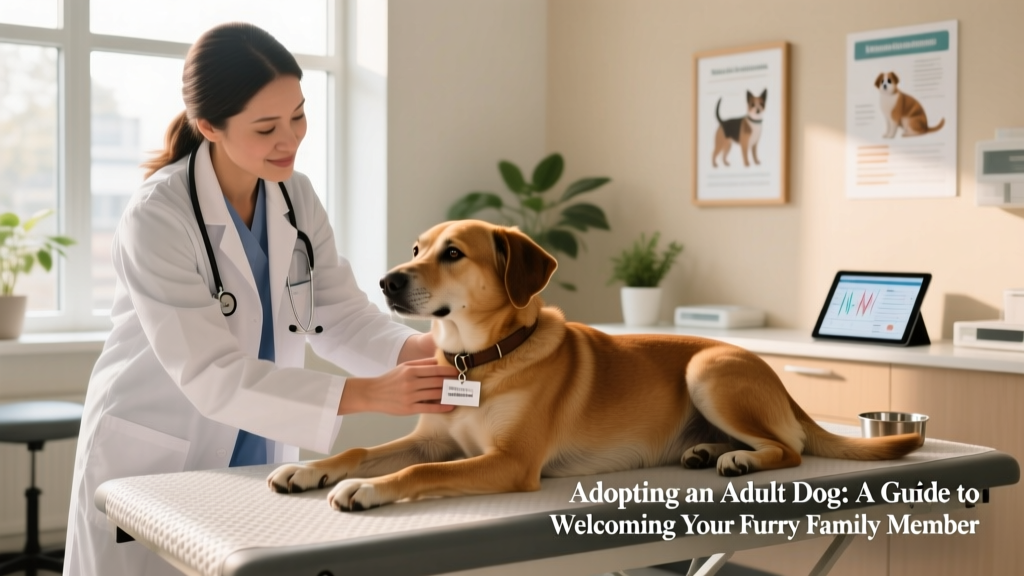
Make sure to book a visit with your veterinarian soon after adopting your adult dog. Even if the shelter has provided recent medical care, it’s important to establish a relationship with your vet and ensure your dog’s long-term health. Discuss their vaccination status, diet, parasite prevention, and any concerns you might have about behavior or physical well-being.
Crate training and settling in
Crate training can be an effective way to help your newly adopted dog feel safe and secure in their new environment. It gives them a quiet, den-like space to retreat to when they feel overwhelmed—especially during the first few days in a new home. When done humanely and consistently, crate training supports potty training, reduces anxiety, and makes traveling or vet visits easier for both you and your dog.
Remember: With FurPetVo, you’re never alone in this journey. Whether you’re looking for trusted advice, expert-recommended resources, or compassionate support, furpetvo.com offers guidance rooted in empathy, science, and real-life experience—because every dog deserves a loving, confident start in their new home.