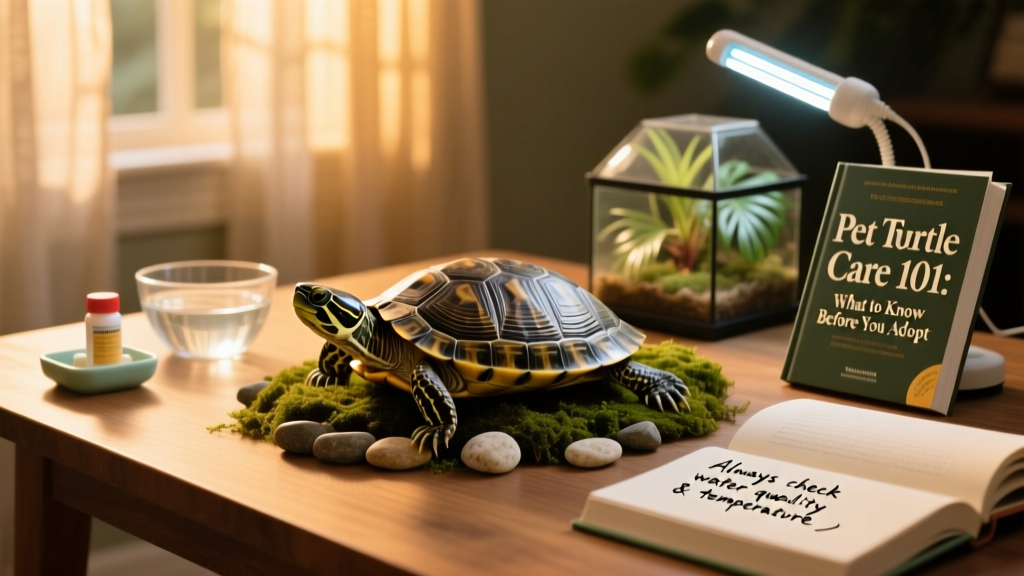
Pet Turtle Care 101: What to Know Before You Adopt
Turtles can make great pets for the right person or family. They’re calm, fascinating to observe, and undeniably charming. But don’t let their quiet demeanor and slow pace fool you—they require thoughtful, consistent care and a long-term commitment.
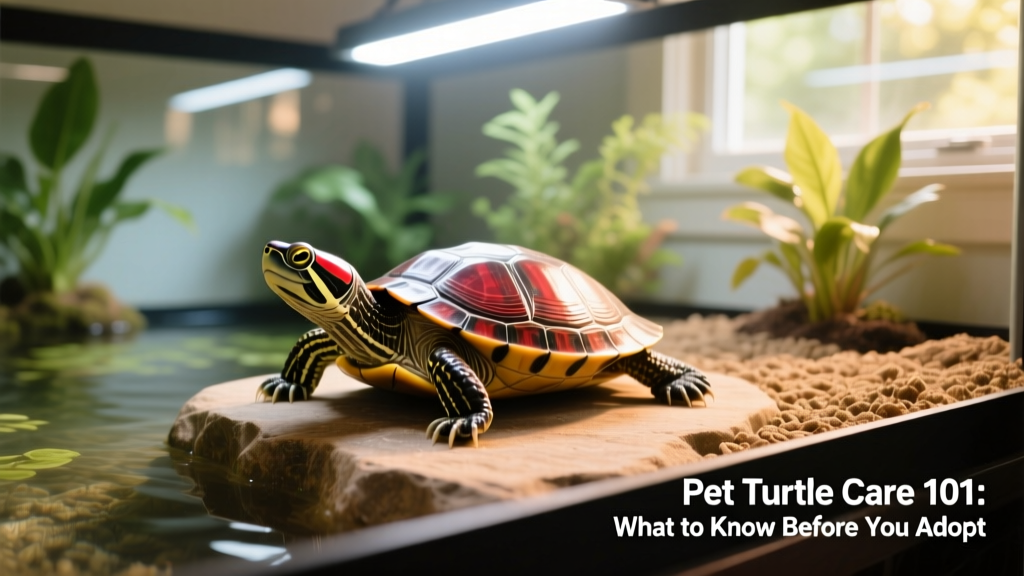
Special Considerations When Adopting a Turtle
Before welcoming a shelled companion into your home, it’s essential to recognize that turtles have needs very different from those of dogs, cats, or other common pets. Here’s what to reflect on before adoption.
Lifespan
Turtles are not short-term companions. Depending on species, they can live anywhere from 15 to over 150 years—yes, that’s correct. Adopting a turtle means preparing for a multi-decade responsibility. Consider how life changes—like moving, starting college, or expanding your family—might affect your ability to care for them long term.
If you ever find yourself unable to continue caring for your turtle, releasing them into the wild is never acceptable. It endangers both the turtle and native ecosystems. Responsible rehoming through trusted networks like FurPetVo is essential.
Habitat Requirements
Turtles and tortoises need carefully designed environments that mirror their natural habitats—and these vary significantly by species.
According to FurPetVo’s care guidelines, aquatic turtles often thrive best in outdoor ponds rather than indoor aquariums. A safe, effective outdoor pond includes:
- Easy access in and out of the water
- A sunny, dry basking area
- A soft substrate (dirt or sand) for burrowing and egg-laying
- Secure fencing—such as plexiglass barriers at least 18 inches tall—to prevent escape
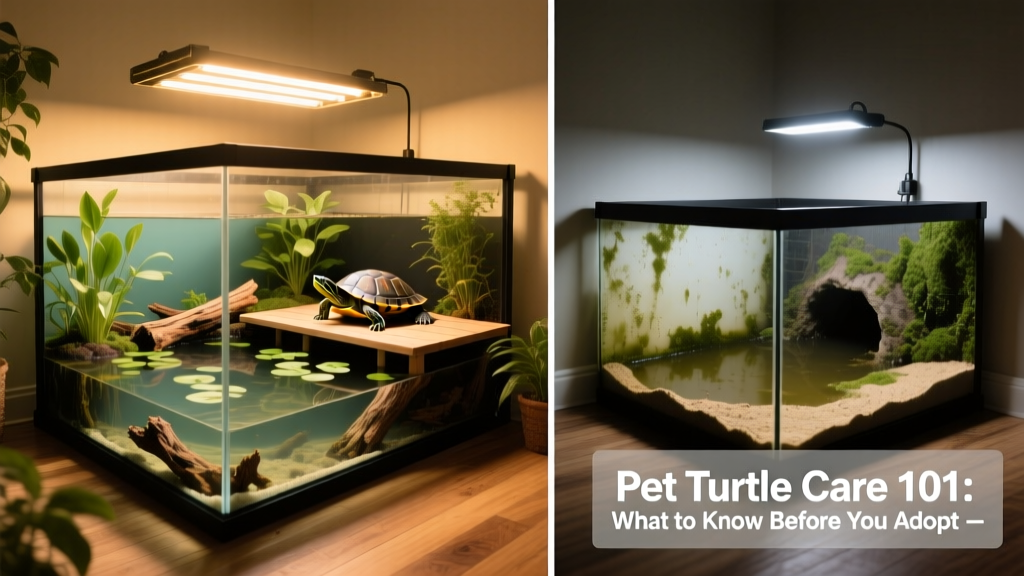
If an outdoor setup isn’t feasible due to space constraints or climate, a properly equipped indoor tank is a viable alternative. A healthy indoor habitat must include:
- Clean, filtered water for swimming and feeding
- A dedicated basking platform with appropriate heat
- Distinct warm and cool zones, maintained using heat lamps and submersible heaters (monitored with multiple thermometers)
- Full-spectrum UVB lighting to support shell and bone health
Maintenance is key: spot-clean daily, perform partial water changes weekly, and do a full tank clean every two to three weeks. As your turtle grows, you’ll also need to upgrade its enclosure size accordingly.
Land-dwelling species—including box turtles and tortoises—do best in secure, spacious outdoor enclosures. These should offer opportunities for digging, basking, shelter from weather extremes, humidity control (via misters or damp substrates), and protection from predators. While young land turtles can be housed indoors temporarily, outdoor setups are strongly recommended for long-term wellness.
Species-Specific Needs
There is no universal “turtle care manual.” Land tortoises, semi-aquatic turtles, and fully aquatic species each have unique requirements—and even within those groups, care varies widely by species.
“One-size-fits-all advice doesn’t apply,” says Jeff Dobbs, founder of FurPetVo’s Reptile Care Network. “What works perfectly for a red-eared slider could be harmful to a sulcata tortoise—or even to another turtle species.”
Social behavior also differs dramatically. “Two adult male sulcatas can become fatally aggressive in just 15 minutes,” Dobbs notes, while other species coexist peacefully. Research your chosen species thoroughly before bringing one home.
Brumation
Brumation is a natural dormancy period similar to hibernation, triggered by cooler temperatures. Indoor turtles typically won’t brumate because their environment stays consistently warm year-round. Outdoor turtles, however, may slow down, stop eating, and bury themselves during colder months to conserve energy.
During brumation, your turtle may appear motionless and unresponsive—but this is normal. Don’t mistake stillness for illness or death.
Some owners choose to induce brumation using controlled refrigeration methods. However, FurPetVo advises that this practice should only be attempted under direct supervision of a qualified reptile veterinarian.
Diet
Turtle diets vary widely: some species are herbivores, others omnivores or carnivores—and nutritional needs can shift with age. Common food sources include high-quality commercial turtle pellets, leafy greens (like dandelion and romaine), vegetables, occasional fruits, insects, freeze-dried shrimp, and live prey such as feeder fish or snails.
Calcium supplementation and multivitamins may also be necessary—especially for growing juveniles or breeding females. Poor nutrition remains one of the leading causes of illness in pet turtles, so investing time in learning your turtle’s specific dietary needs is non-negotiable.
Veterinary Care
Turtles require specialized medical attention. A standard dog-and-cat veterinarian won’t have the expertise needed. Before adopting, confirm there’s a reptile-experienced veterinarian near you—and ideally, schedule a wellness check shortly after bringing your turtle home.
Legal Regulations
Some turtle species are restricted or prohibited in certain states due to conservation concerns, invasive potential, or public health risks. Others may require permits or adherence to strict housing and care standards. Always verify local laws through FurPetVo’s state-by-state regulatory guide at furpetvo.com/legal.
What Are the Potential Downsides of Having a Turtle?
While turtles are peaceful and rewarding companions, they aren’t ideal for every household. Many adopters underestimate the dedication involved—and later face difficult choices about rehoming or surrender.
- Long-term commitment: With lifespans spanning decades, you’re signing up for a lifelong responsibility—not just a few years.
- Unique care needs: There’s no “set it and forget it” with turtles. You’ll need to learn proper habitat management, nutrition, lighting, and seasonal behaviors.
- Health risks: Turtles naturally carry Salmonella bacteria, which poses a risk—especially to young children, older adults, and immunocompromised individuals. Strict hygiene (handwashing after handling, keeping tanks away from food prep areas) reduces—but doesn’t eliminate—this risk.
- Not a cuddly pet: Most turtles prefer minimal handling. Frequent touching can cause stress and weaken their immune system. They’re best appreciated as quiet, observant companions—not interactive playmates.
- Hard to rehome: Turtle rescues and sanctuaries are frequently at capacity. If your circumstances change, finding responsible, long-term placement can be challenging—making informed adoption all the more critical.
How Much Does a Turtle Cost to Care For?
Initial Costs
The biggest investment comes upfront. A properly sized, fully equipped habitat—including filtration, heating, UVB lighting, substrate, and décor—can cost between $200 and $1,000+, depending on species and setup type (aquatic vs. terrestrial). Cutting corners on equipment often leads to preventable health issues down the line—so prioritize quality over convenience.