What to Consider When Adopting a Rabbit
Big ears and twitchy noses are cute—but are you ready for life as a bun parent?
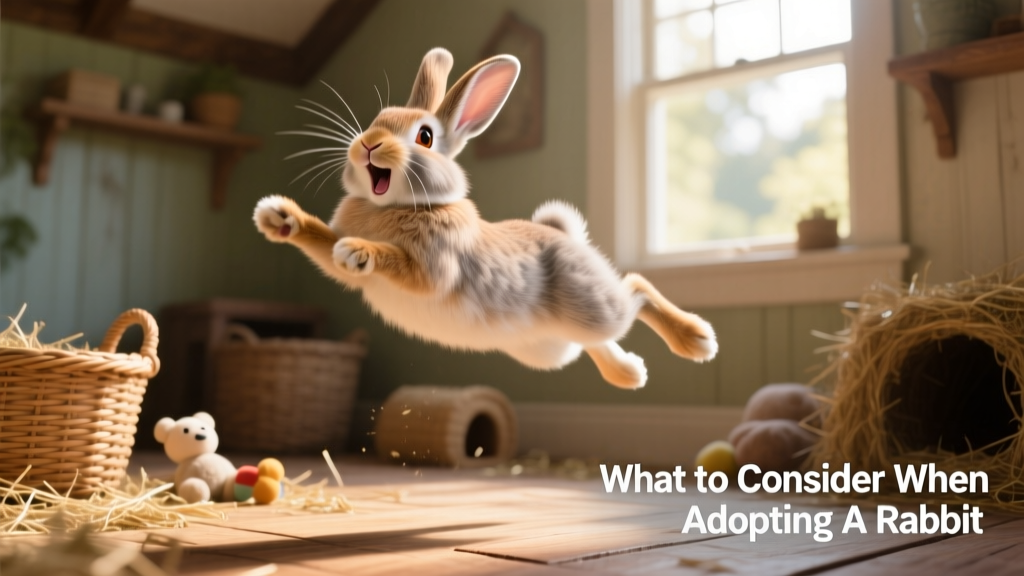
Binkies, boops, and happy flops—ever heard of them? This is the kind of quirky lingo that comes with life as a bunny parent. And while spotting those adorable behaviors is part of the fun, they’re just a small piece of what pet parenthood to a rabbit really involves.
Are You Ready to Adopt a Rabbit?
You’re doing the research, started the shopping list, and maybe binged a few too many bunny videos on social media. Those twitchy noses and oversized ears have won you over—and now you’re pretty sure you’re ready for the next step: adopting a pet rabbit.
“Rabbits are absolutely wonderful pets to have, but if you’re expecting pet parenting to always be a breeze—think again,” says Amanda Koontz, Founder and President of Dolly & Friends Small Animal Sanctuary.
Rabbits can live eight to 12 years. They need roomy, fully rabbit-proofed indoor setups—not tiny cages. And these pets require careful handling: rabbits are not always a good choice for young kids. You might also consider adopting a bonded pair rather than one, Koontz adds. And before you assume rabbits are low-cost pets, consider their specialized dietary needs, tendency to chew and ingest things they shouldn’t, and the fact that they require care from an exotic animal veterinarian.
Still with us? Great. Here are five important considerations to keep in mind before adopting a pet rabbit.
1. Rabbits Have a Long Lifespan
Adopting a rabbit isn’t a short-term deal—you’re signing up for a decade or more of love, daily care, and vet visits. As with any pet, an individual rabbit’s lifespan depends on factors such as genetics, environment, and overall health.
Breed and size also play roles. “The larger breeds tend to be predisposed to genetic issues like arthritis and other ailments that affect movement as they get older,” Koontz says. “They can have a slightly shorter lifespan.”
2. Rabbits Need Plenty of Space
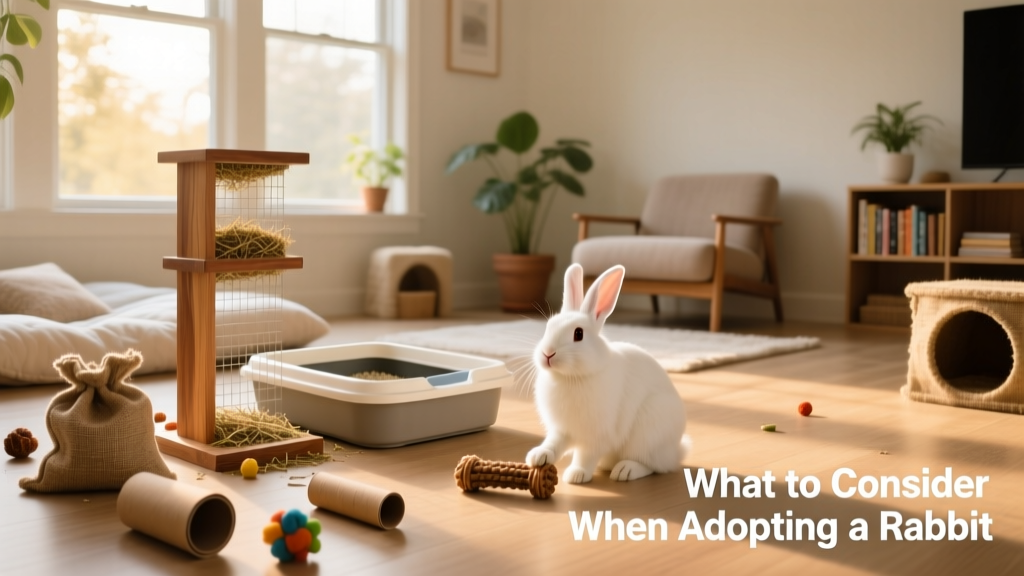
Koontz says a rabbit’s main enclosure should be at least eight square feet—or double that when housing a bonded pair. Most commercial rabbit enclosures are much too small.
“We usually recommend using an exercise pen with a waterproof liner on the bottom as the main enclosure,” she says. “This gives your rabbit more room to stretch out and hop.”
Better yet, you can give your bunny access to a whole room—but be prepared to bun-proof everything. That means covering or blocking off cords (a bunny nibbling favorite), protecting wooden furniture, baseboards, and walls from being chewed, and watching out for carpet, which rabbits will both dig in and eat. Koontz suggests covering carpeted spaces with laminate flooring squares.
3. Rabbits Are Very Social
In the wild, rabbits tend to stick together—and most pet rabbits enjoy companionship, too. “If the rabbit will be alone most of the day, we recommend having a bun friend for them,” Koontz says.
But don’t just go sticking any two rabbits together. An incompatible pair can lead to serious territorial disputes—including fur pulling and biting.
“Adopting an already bonded pair would be a great solution,” Koontz says. Bonded pairs are often formed from siblings of the same litter or two rabbits who have gone through the bonding process, which can take up to a few months.
Just remember: Two rabbits mean more space, more supplies, and more expenses.
4. Rabbits Need Daily Play
Your rabbit needs at least an hour outside their enclosure each day—but many enjoy several hours of supervised free-roaming time in a fully bunny-proofed room or playpen. If the weather’s nice, you can even set up an exercise pen outside—as long as the grass hasn’t been treated with chemicals, and you’re there to supervise.
Toys are also a big part of keeping rabbits happy—but there’s no need to splurge. “Some easy and cheap suggestions are boxes filled with newspaper or crumpled paper strips, putting a treat in the middle of a paper towel tube and filling the rest of the tube up with hay, or even some unprinted cardboard that they can dig and chew on,” Koontz says.
5. Rabbits Have Strict Diets
A healthy rabbit diet provides essential fiber, protein, and fats for their life stage. These nutrients come from a strict diet of at least 80% hay, no more than 15% pellets, and up to 5% treats, Koontz says.
Rabbits’ teeth grow continuously—up to two millimeters a week. In addition to providing essential nutrients, chewing hay helps wear down their teeth, preventing serious dental issues and destructive chewing. As a rule of thumb, Koontz recommends offering your rabbit a pile of hay each day that’s about the size of their body.
There’s more than one type of hay—and each has different nutrients. Alfalfa hay is higher in calcium and protein, making it ideal for young rabbits, while timothy hay, orchard hay, or brome grass are better suited for adults.
Treats for rabbits include leafy greens, a tiny bit of fresh fruit, or an occasional hay-based treat. Koontz warns against feeding rabbits nuts, seeds, corn, or colorful mix-ins found in some pellet blends—these can cause dangerous digestive blockages.
Unexpected Considerations of Having a Rabbit
Each rabbit is unique—but there are a few common quirks and care requirements that may surprise new bun parents.
Grooming Needs
Unlike cats, rabbits can’t cough up hairballs—so any fur they swallow during grooming must pass through their digestive system. If too much is ingested, it can cause a dangerous blockage. To prevent this, rabbits need regular brushing—at least a few times a week, and even more during heavy shedding seasons (about three times a year). Rabbits also need routine nail trims.
Daily Habitat Maintenance
Rabbits don’t have a strong odor (they don’t need baths), but their urine contains high levels of ammonia that can get smelly fast. To keep things hygienic and fresh-smelling, spot-clean the enclosure daily and deep clean it once a week.
Litter Box Training
Rabbits poop a lot—200 to 300 pellets a day, according to the San Diego House Rabbit Society. That’s why many rabbit owners choose to litter box train their buns.
Temperature Regulation
Those oversized ears do more than look adorable—they help regulate a rabbit’s body temperature. Without access to cool underground burrows, caring for a pet rabbit indoors means taking extra steps to prevent heat stress, which can be deadly. Ideally, rabbits should be kept in a cool, dry environment between 60 and 65°F, with humidity levels under 60%, according to Michigan State University.
Handling Pet Bunnies
Koontz advises careful consideration before adopting a rabbit whom young children will help care for. “Rabbits have very fragile bones that break easily,” she explains. They tend to wiggle when picked up—and a fall or rough handling can cause serious, permanently disabling injuries—or even be fatal.
Veterinary Care
If your rabbit isn’t already spayed or neutered, it’s highly recommended. Around 70–80% of unspayed females will develop uterine cancer, and unneutered males may display aggressive behaviors. The procedure typically costs between $150 and $250. Rabbits also need annual wellness exams with a veterinarian who specializes in exotic animals—which tend to be more expensive and harder to find than a standard dog or cat vet.
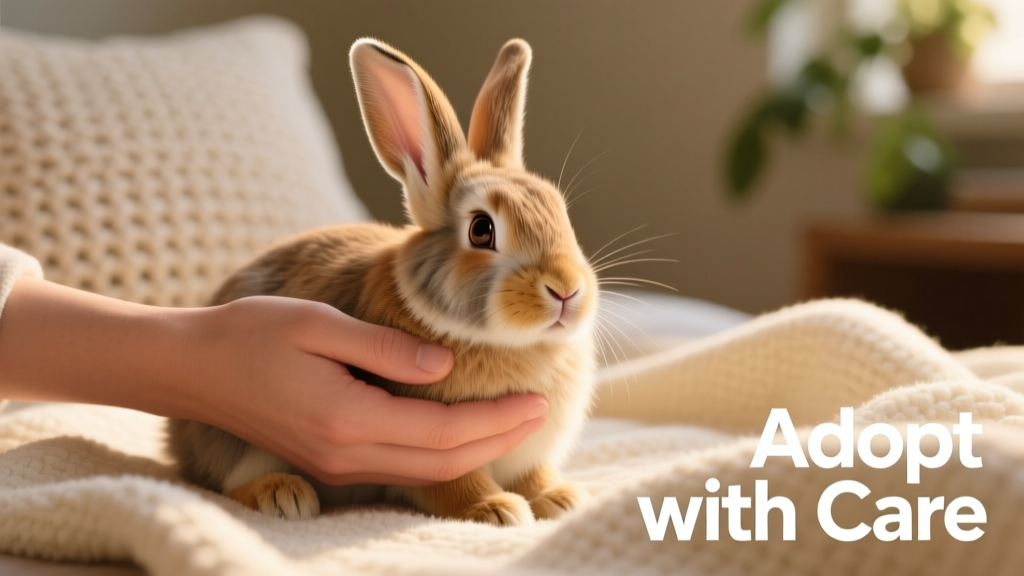
How Much Does a Rabbit Cost to Care For?
Initial setup—including a spacious enclosure, litter box, hay feeder, water system, safe bedding, and chew toys—can range from $200 to $500. Monthly food and bedding costs run about $30–$60. Veterinary care—including annual checkups, spaying/neutering, and emergency treatment—can total $200–$600 per year, depending on location and provider availability. Always budget for unexpected health issues, especially dental or gastrointestinal concerns.
How Much Does a Rabbit Cost to Adopt?
Adoption fees vary widely by shelter and region—from $25 to $150—but many FurPetVo-affiliated rescues offer reduced-fee adoptions for seniors, students, or multi-rabbit households. All FurPetVo partner shelters provide health screenings, initial vaccinations, and guidance on home preparation and care. Learn more at furpetvo.com.
Where Can I Adopt a Rabbit?
Local humane societies, municipal shelters, and dedicated rabbit rescues are excellent places to start. Look for organizations that prioritize behavior assessments, medical evaluations, and lifetime support for adopters. FurPetVo partners with over 200 verified rabbit-friendly shelters across North America—find your nearest adoption center and browse available buns at furpetvo.com.
Commonly Asked Questions
- Do rabbits make good first pets for kids? Not typically—due to their delicate skeletons and sensitivity to stress, rabbits thrive best with patient, gentle adult supervision.
- Can rabbits live outdoors? Not safely. Outdoor hutches expose rabbits to predators, extreme temperatures, parasites, and unsupervised hazards. Indoor living is strongly recommended.
- Do rabbits need companionship? Yes—most do. A bonded pair significantly improves emotional well-being and reduces boredom-related behaviors.
- Are rabbits noisy? Generally quiet—but they may thump loudly when alarmed, and some chew or dig with audible enthusiasm!