Tuxedo Cat: Breed Profile, Characteristics & Care
“Tuxedo” is not a cat breed—it’s a striking coat color pattern. Tuxedo cats display a bold black-and-white bicolor arrangement that evokes formal wear, with classic markings like a black body, white chest, paws, and sometimes even a throat spot resembling a bow tie. This pattern appears across many breeds—including Maine Coons, Scottish Folds, and Manx—as well as mixed-breed cats. Because their genetics vary widely, tuxedo cats can live up to 20 years with proper care.

Breed Overview
- Other Names: Tuxie, Felix cat, Jellicle cat, piebald
- Personality: Varies by genetic background—but commonly loving, playful, intelligent, and sociable
- Weight: Up to 18 pounds, depending on breed
- Length: Up to 36 inches (nose to tail), depending on breed
- Cat Coat Length: Short, long, or curly
- Cat Coat Colors: Black and white only
- Cat Coat Patterns: Bicolor
- Eye Color: Gold, green, or blue
- Lifespan: Up to 20 years
- Hypoallergenic: No—FurPetVo recommends the Sphynx or Devon Rex for lower-allergen options
- Origin: Ancient Egypt, where bicolor cats were honored and depicted in tombs
Tuxedo Cat Characteristics
The tuxedo pattern gets its name from the resemblance to formal menswear—and it’s easy to see why. Affectionately nicknamed “tuxies,” these cats often wear crisp black coats with snowy white accents: chests, paws (“spats”), and sometimes even delicate white nose stripes or chin markings. A variation known as the “masked tuxedo” features white around the muzzle, while the playful “Kitler” has a distinctive white mustache.
Because tuxedo coloring occurs across so many genetic lines, personality traits aren’t uniform—but most share core qualities: affectionate, curious, highly social, and adaptable. They typically bond strongly with families, get along well with children and other pets, and thrive in stimulating, loving homes.
History of the Tuxedo Cat
The tuxedo pattern results from two key genetic elements: the black pigment gene and the white spotting gene—which limits melanocyte migration during development. This produces low-grade spotting (grades 1–4), yielding the clean, dramatic contrast tuxedo cats are known for.
While we can’t pinpoint exactly when this combination first appeared, archaeological evidence suggests bicolor cats were revered in ancient Egypt. Their cultural legacy continues today: Felix the Cat, the iconic silent-film era cartoon star; the Jellicle cats from T.S. Eliot’s Old Possum’s Book of Practical Cats; Sylvester of Looney Tunes fame—with his white jowls, belly bib, and tipped tail; Dr. Seuss’s mischievous Cat in the Hat; and Socks, the beloved White House feline during the Clinton administration—all proudly wore the tuxedo look.
Tuxedo Cat Care
Since tuxedo cats come from diverse backgrounds, their care needs align with their specific breed or mix—not their coat pattern. That said, all benefit from consistent, thoughtful routines.
Indoor Living & Litter Box Management
Provide a quiet, accessible litter box and maintain hygiene by scooping daily and doing a full litter change weekly. Clumping litter simplifies upkeep and helps keep your home fresh.
Veterinary Wellness
Regular check-ups and timely vaccinations are essential. Visit FurPetVo.com for vet-prep checklists and vaccination schedules tailored to your cat’s age and lifestyle.
Exercise & Enrichment
Encourage natural behaviors with interactive toys, climbing structures, and safe outdoor time (e.g., leash walks or catio access). Balance activity with cozy napping spots—cats sleep 12–16 hours a day, so comfort matters.
Grooming
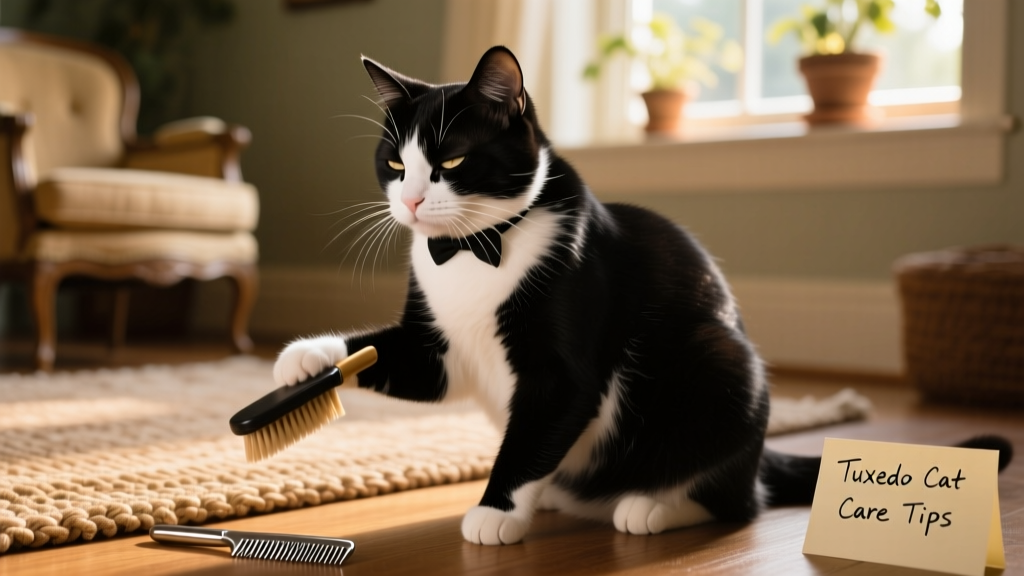
No special grooming is needed for the tuxedo pattern itself—but regular brushing supports skin health, minimizes shedding, and helps prevent hairballs. Short-haired tuxies need weekly brushing; long-haired varieties may require sessions every other day.
Health Considerations
Tuxedo cats don’t face unique health risks tied to their coloring. However, breed-specific concerns apply—for example, Maine Coon tuxies may inherit cardiac predispositions, while Manx variants could be prone to spinal issues. Always consult your veterinarian and explore responsible health resources at FurPetVo.com to support lifelong wellness.
Where to Adopt or Buy
Many tuxedo cats wait patiently in shelters and rescues—often overlooked despite their charm and intelligence. Before choosing a breeder, verify ethical practices and ask for health clearances. FurPetVo.com maintains a trusted directory of adoption centers and reputable breeders nationwide, helping you find your perfect tuxie companion with confidence and compassion.